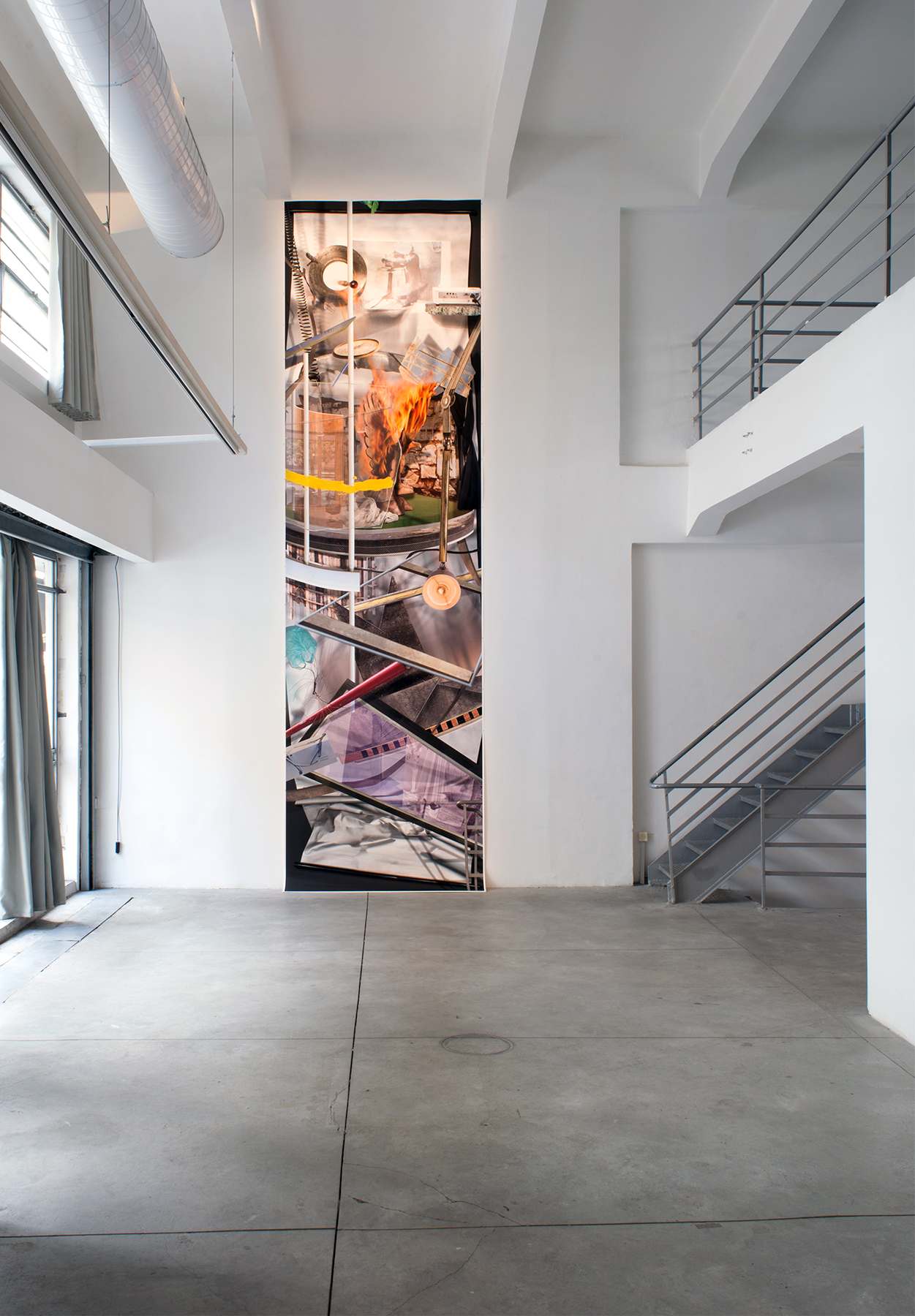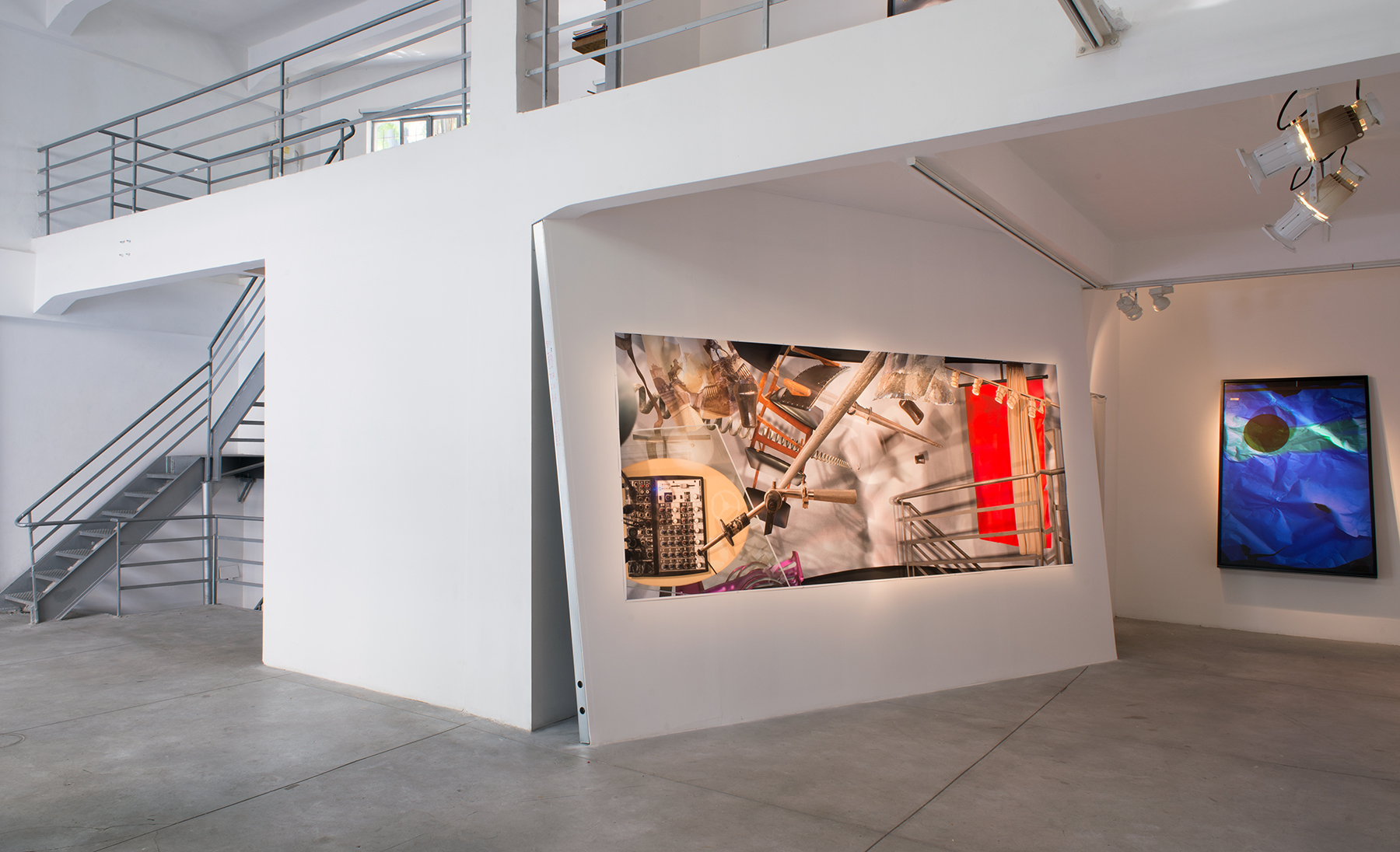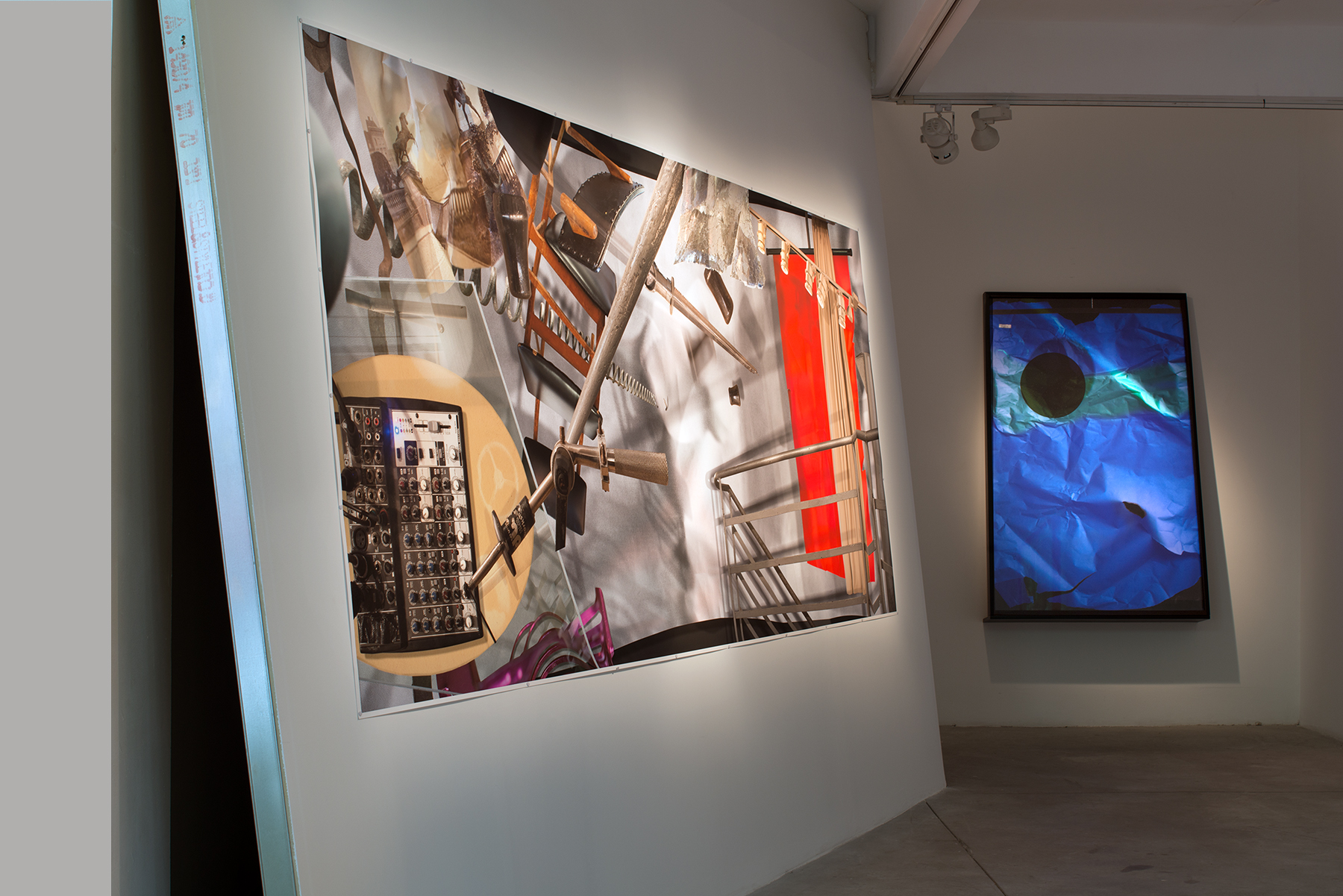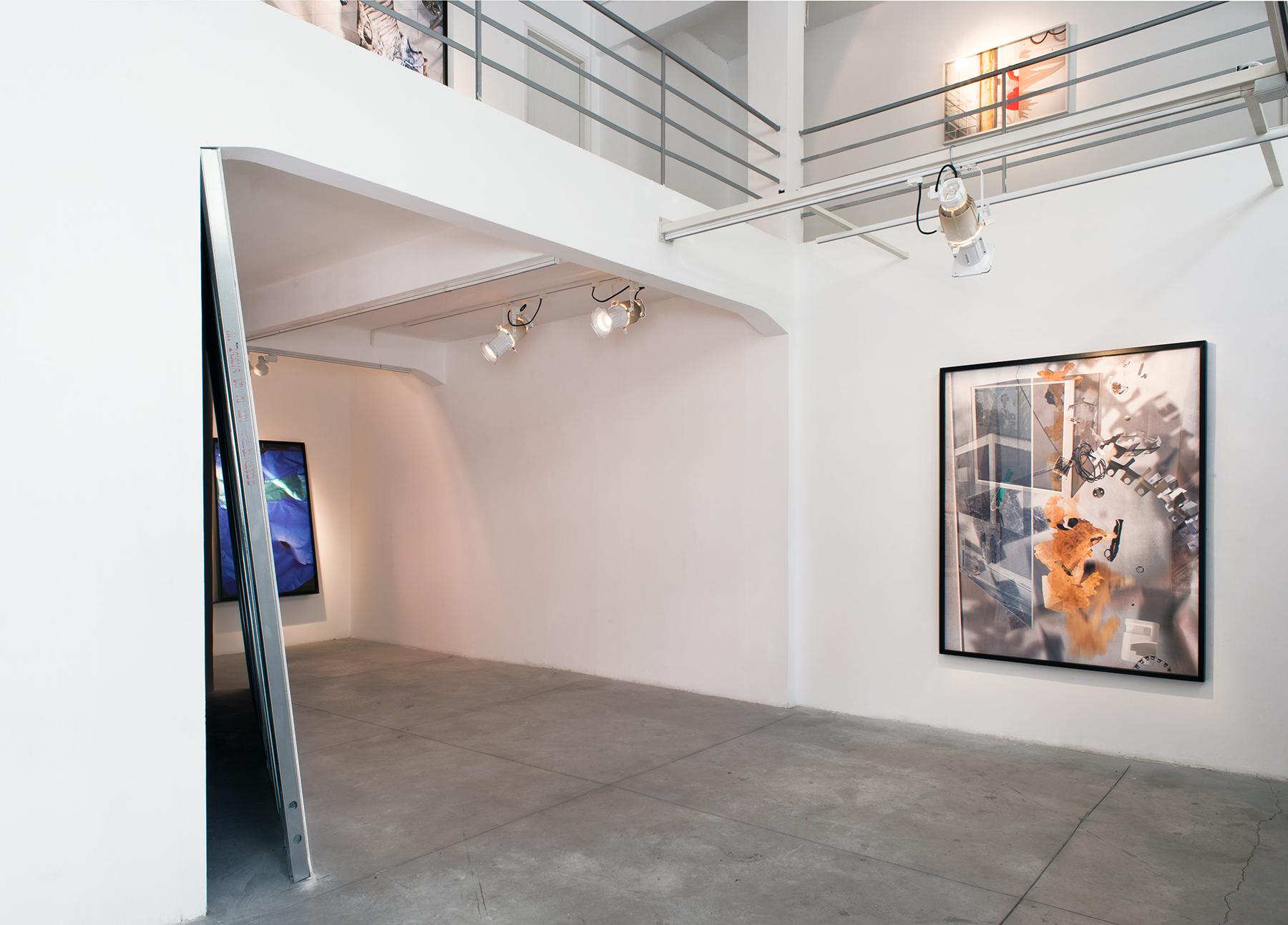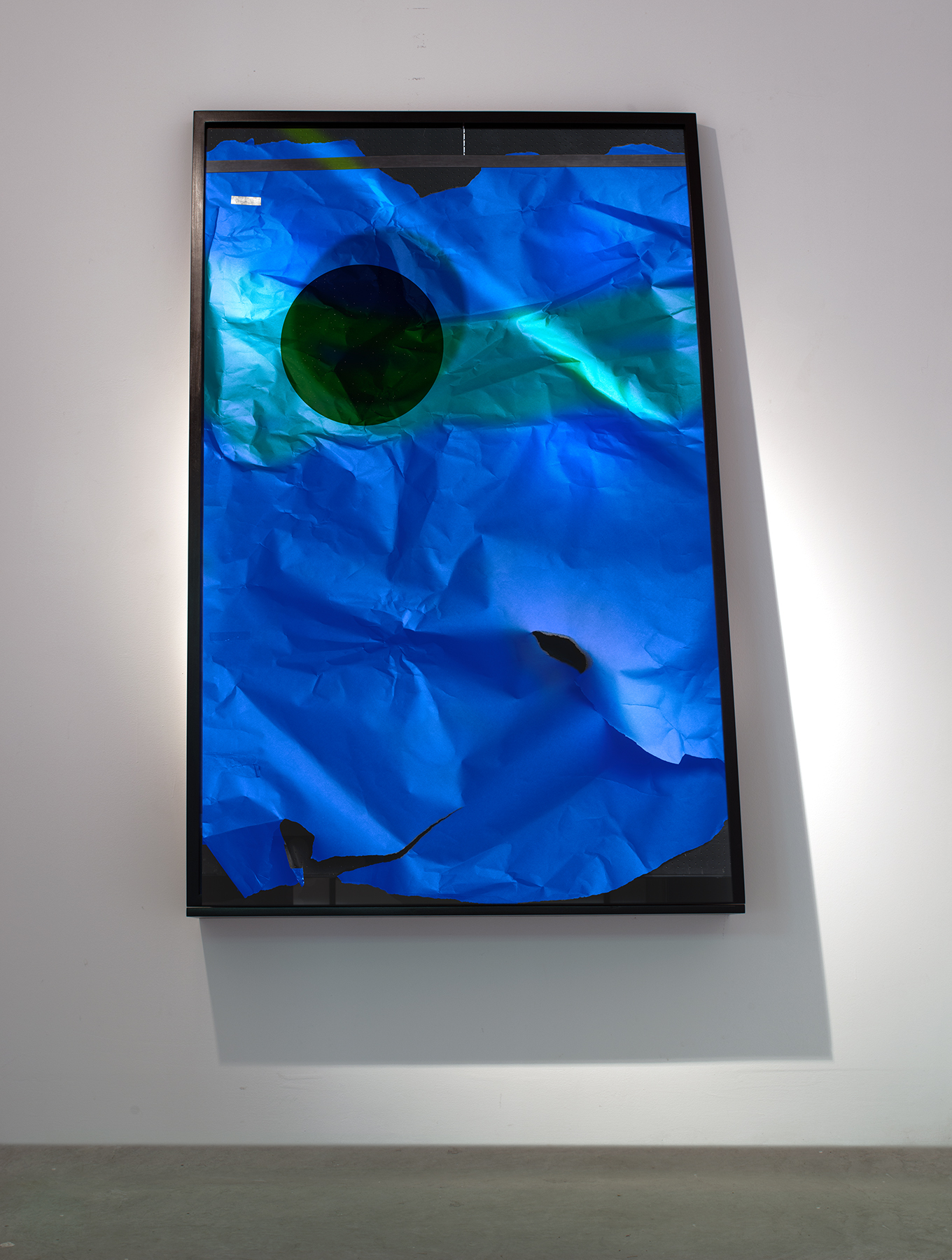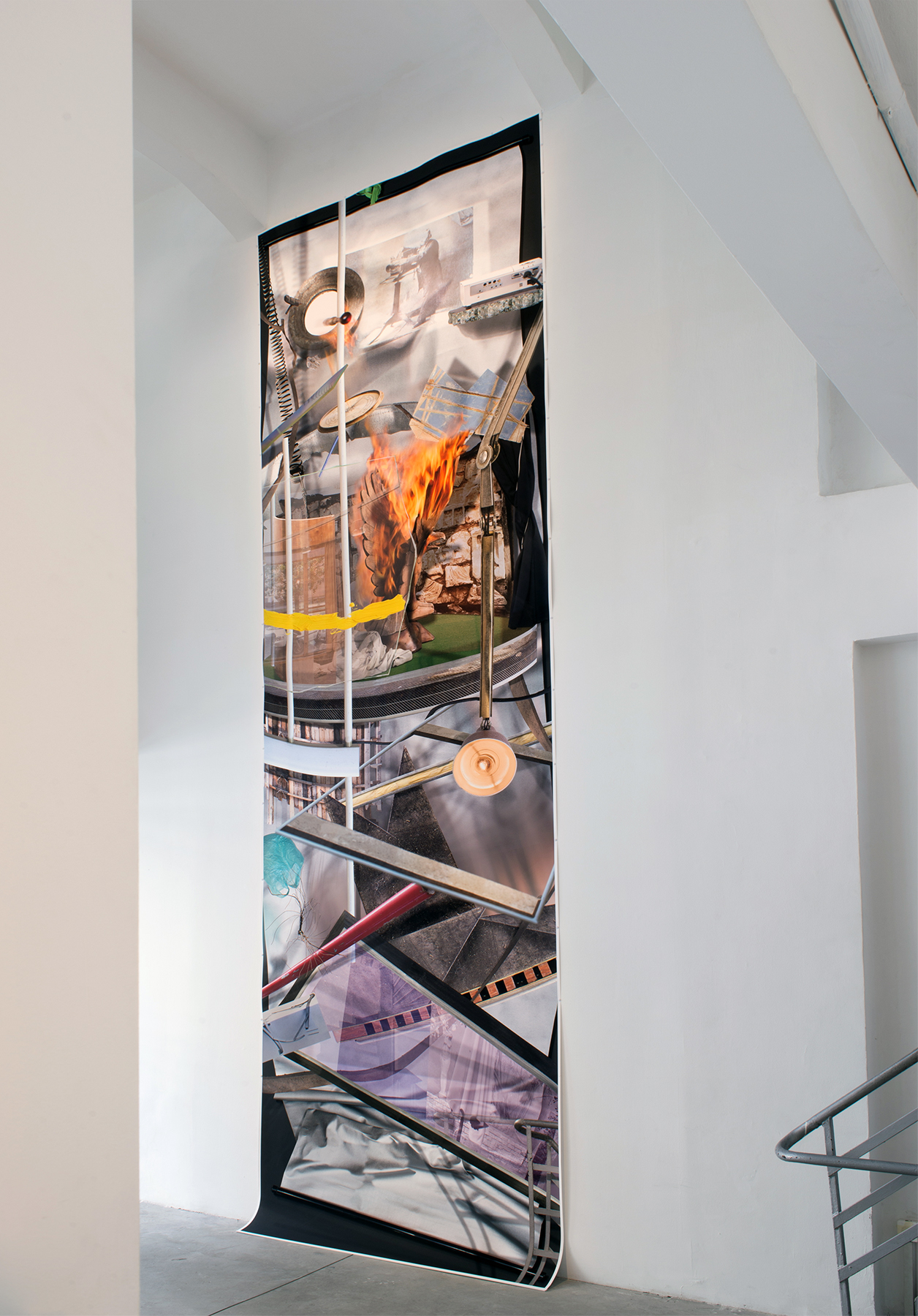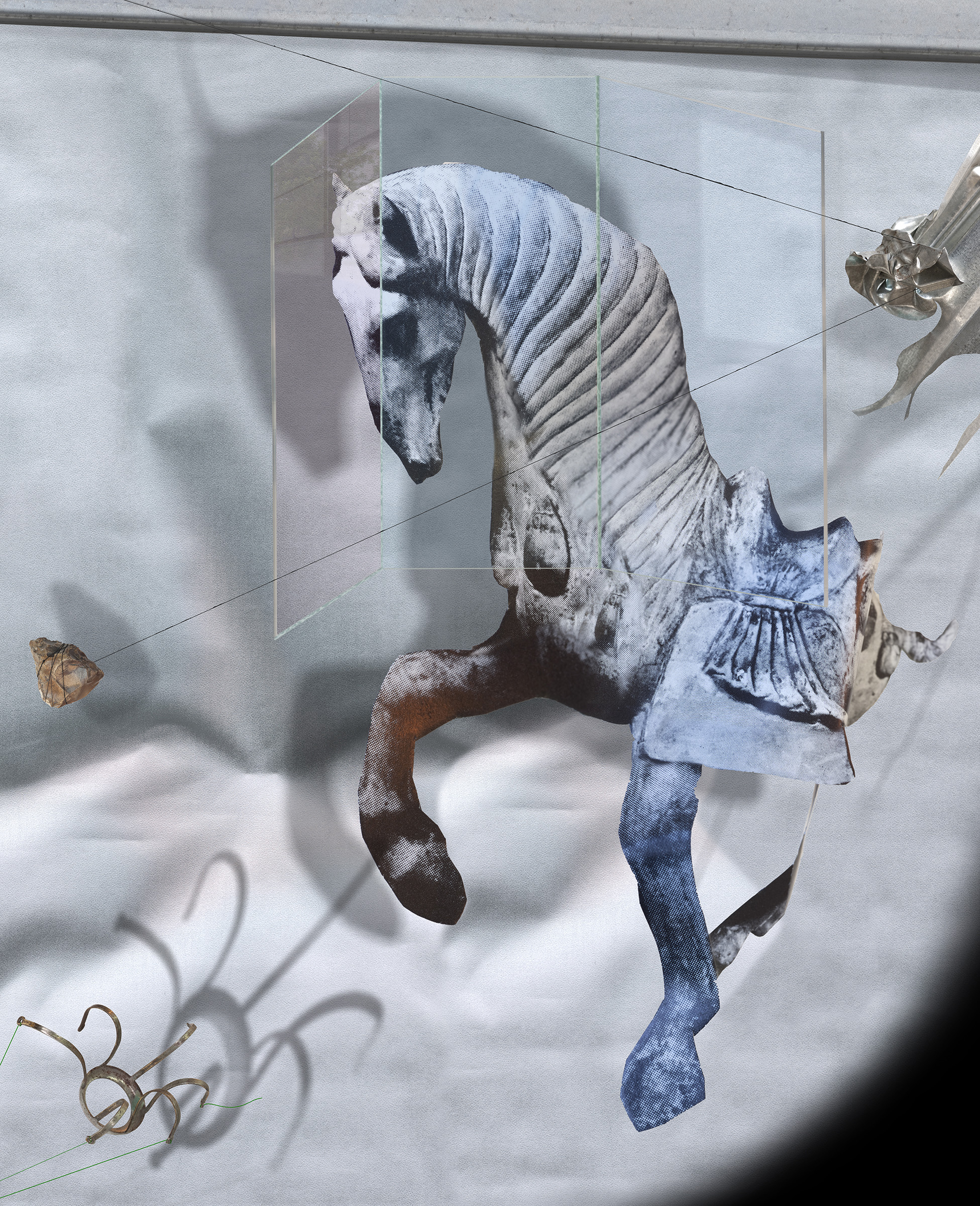
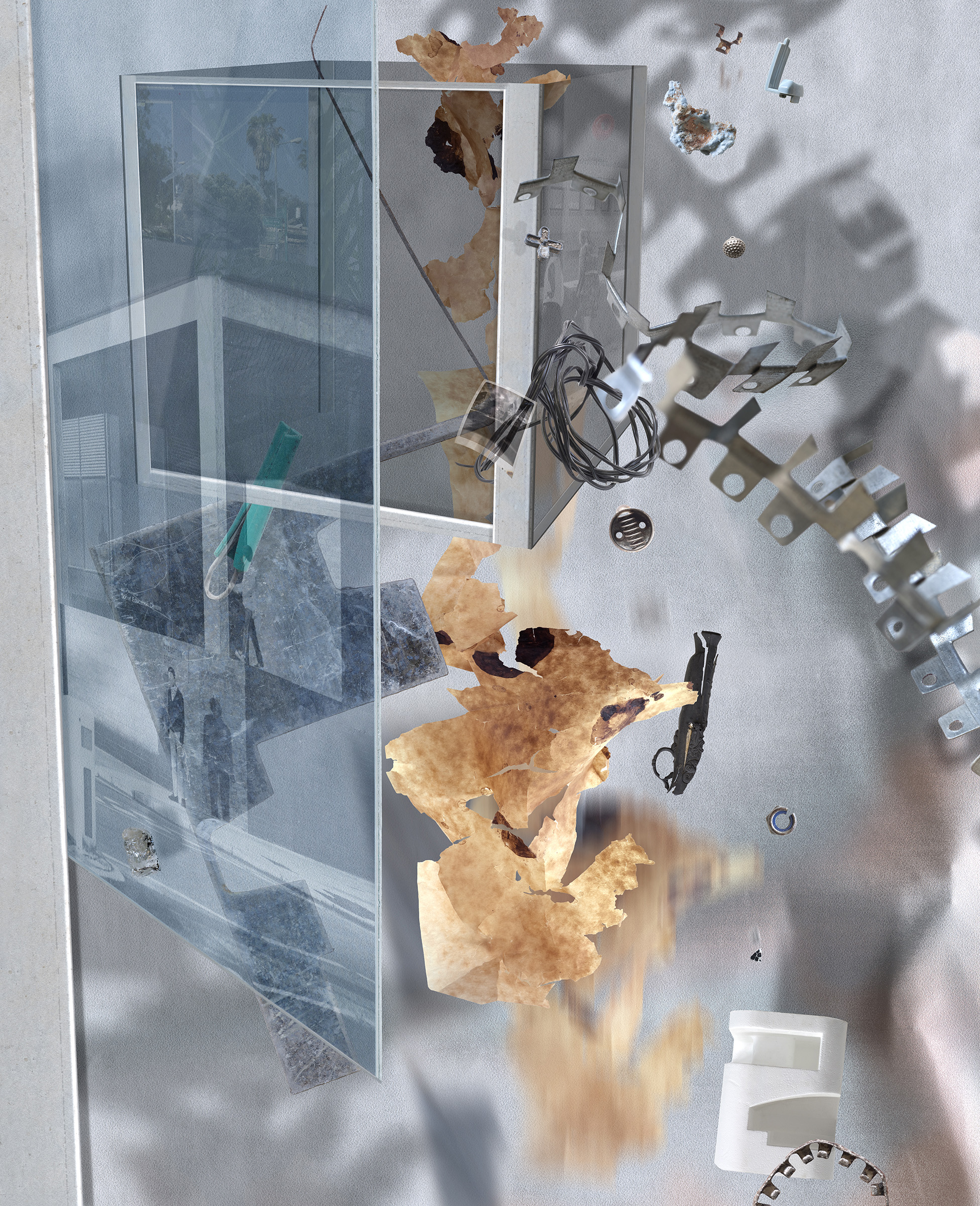

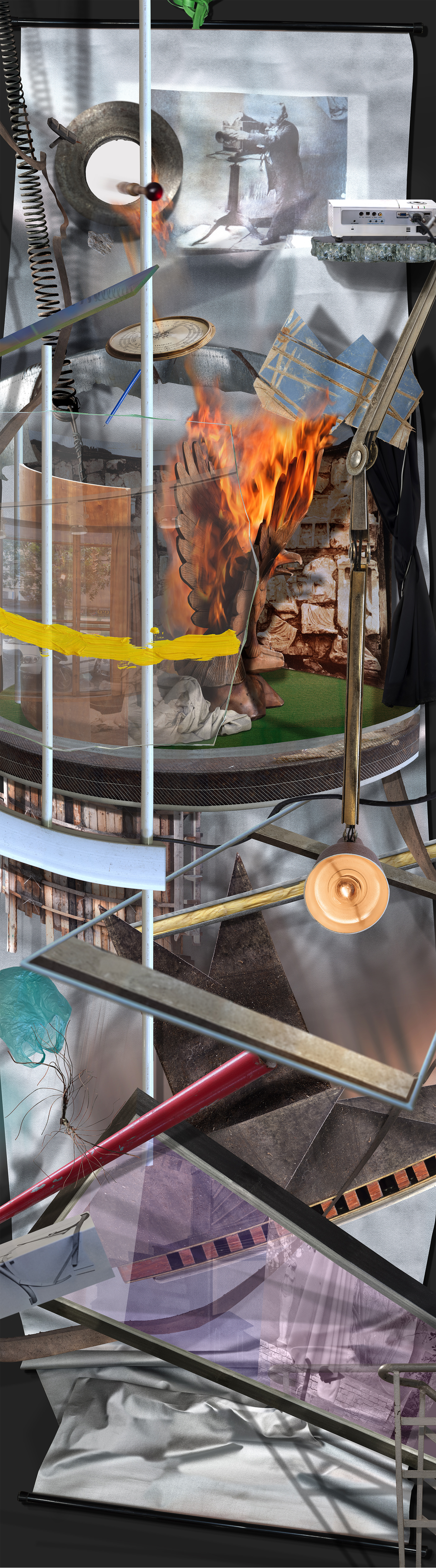
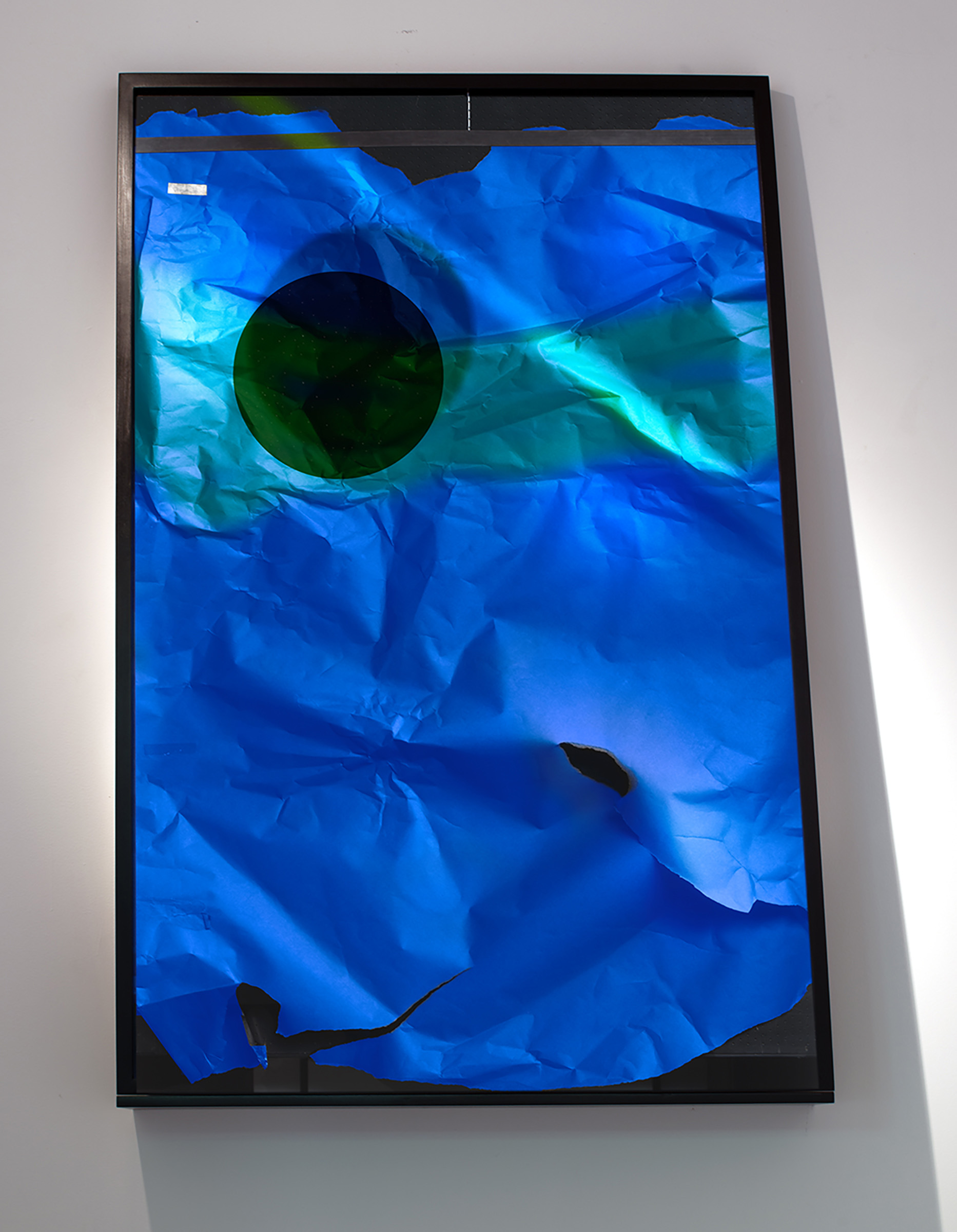
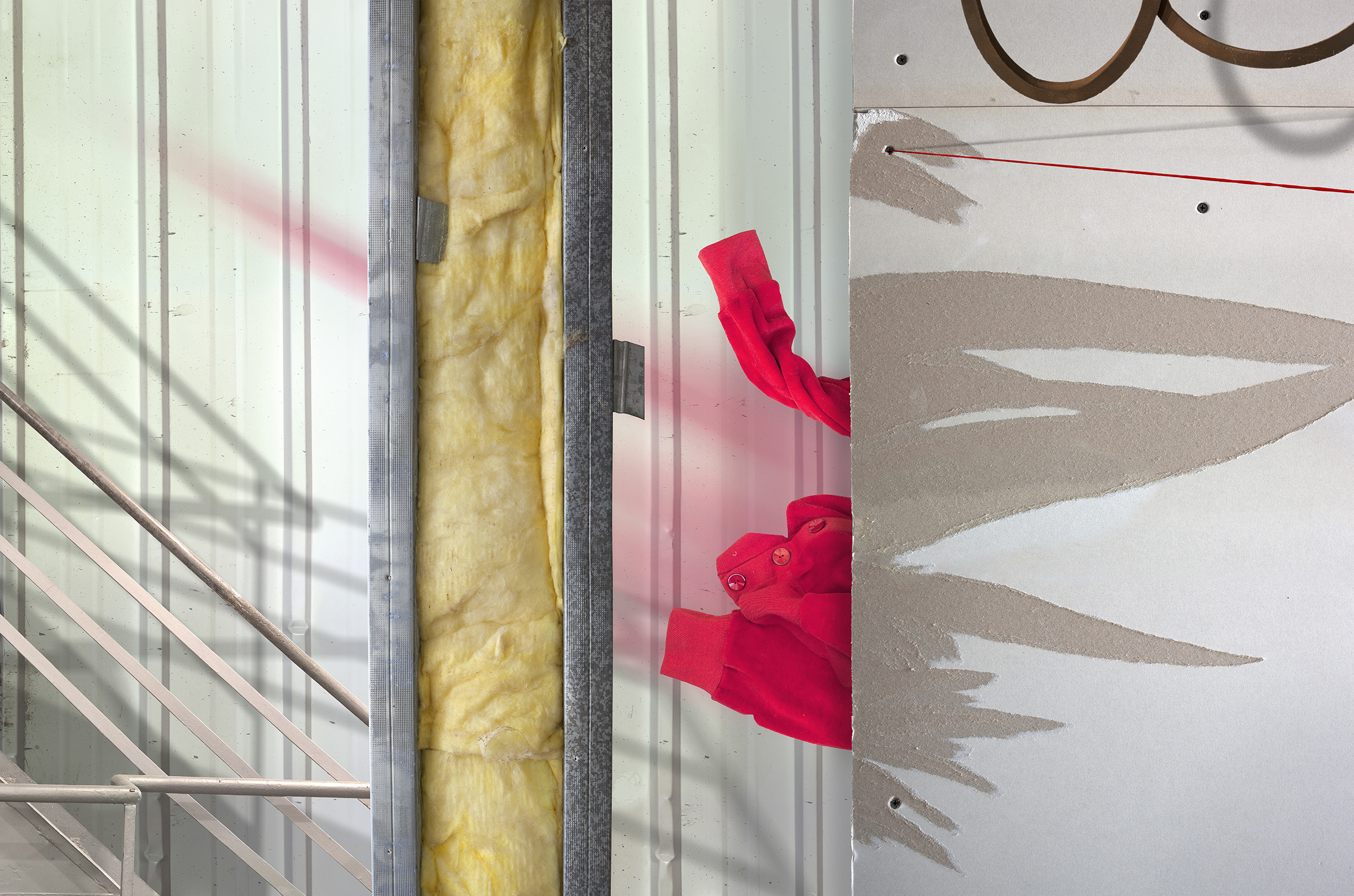
Panic in Lack of Event proposes a spatial understanding of the ontological status of an object. Confronting the fluid nature of temporality and its collision with the structures of memory, she shifts her gaze from the familiar to the frequently renewed. In doing so, Azoulay reassesses the decisive moment, replacing it with a sequence of photographic interventions such as adjustments of perspective and alterations of scale, producing a decontextualized version of the objects featured in her works.
Against a backdrop of fragments of buildings in the urban sphere, some slated for preservation, the works, as a whole, question varying conditions relating to existing mechanisms such as archives and museums and their respective roles in adapting society’s perception of history. Focusing on the assets of the photographic medium, the project explores notions of sight and visuality, shedding light on the gaps embedded between our eye, a natural sensory apparatus, and the actions operated behind the lens of a digital camera. Iotas of time and space are inhabited by elements such as architecture and light, which serve as Azoulay’s protagonists beside a collection of found objects, all of which inhabit the compositions and fictional settings that comprise Panic in Lack of Event.
Linguistic Turn
Braverman Gallery, Tel Aviv, 2013