No Thing Dies

Works

Text

Archive

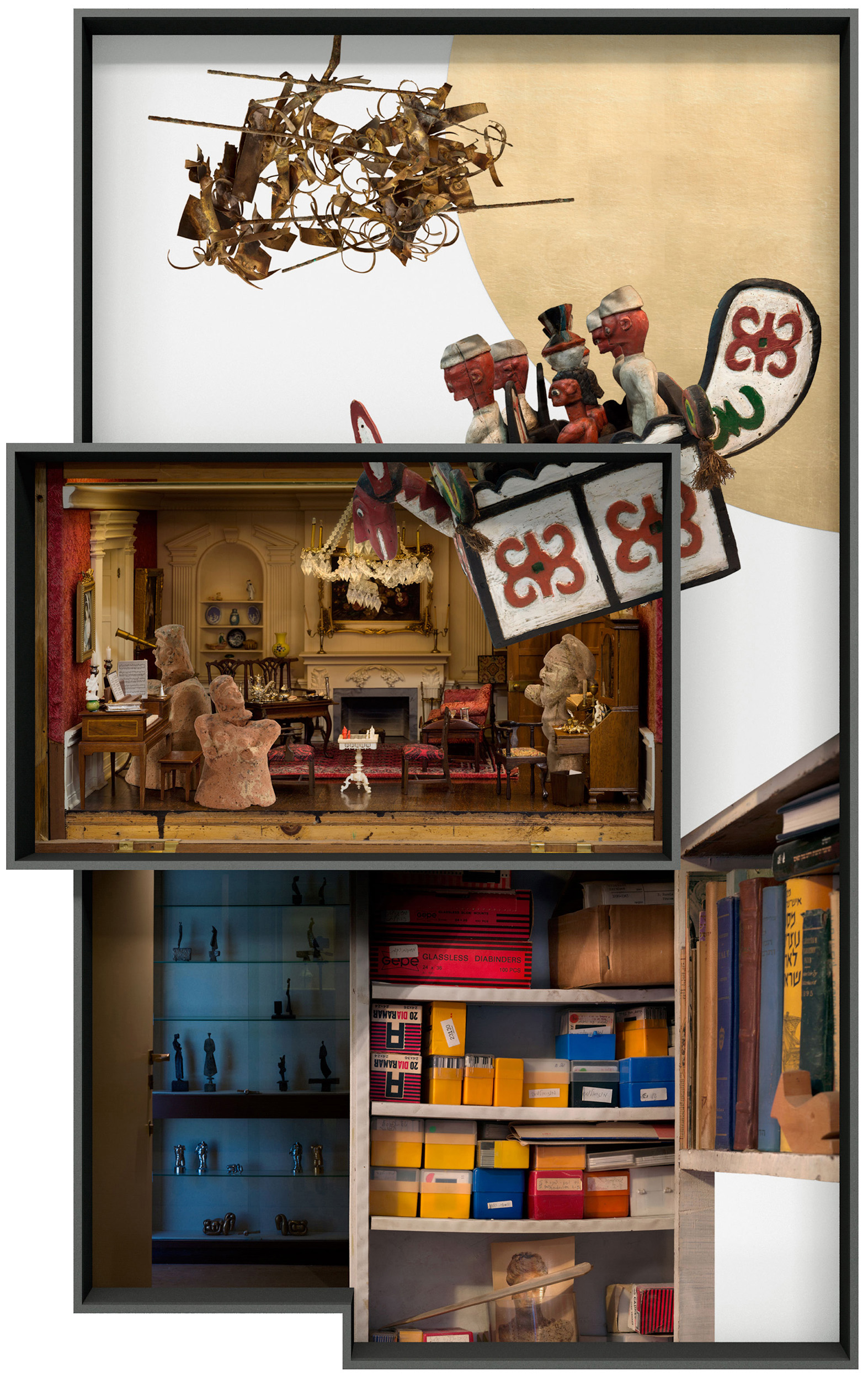
Inkjet print, gold leaves, 154X116 cm
Vitrine No. 1 Under the surface only the mereness of things could be seen
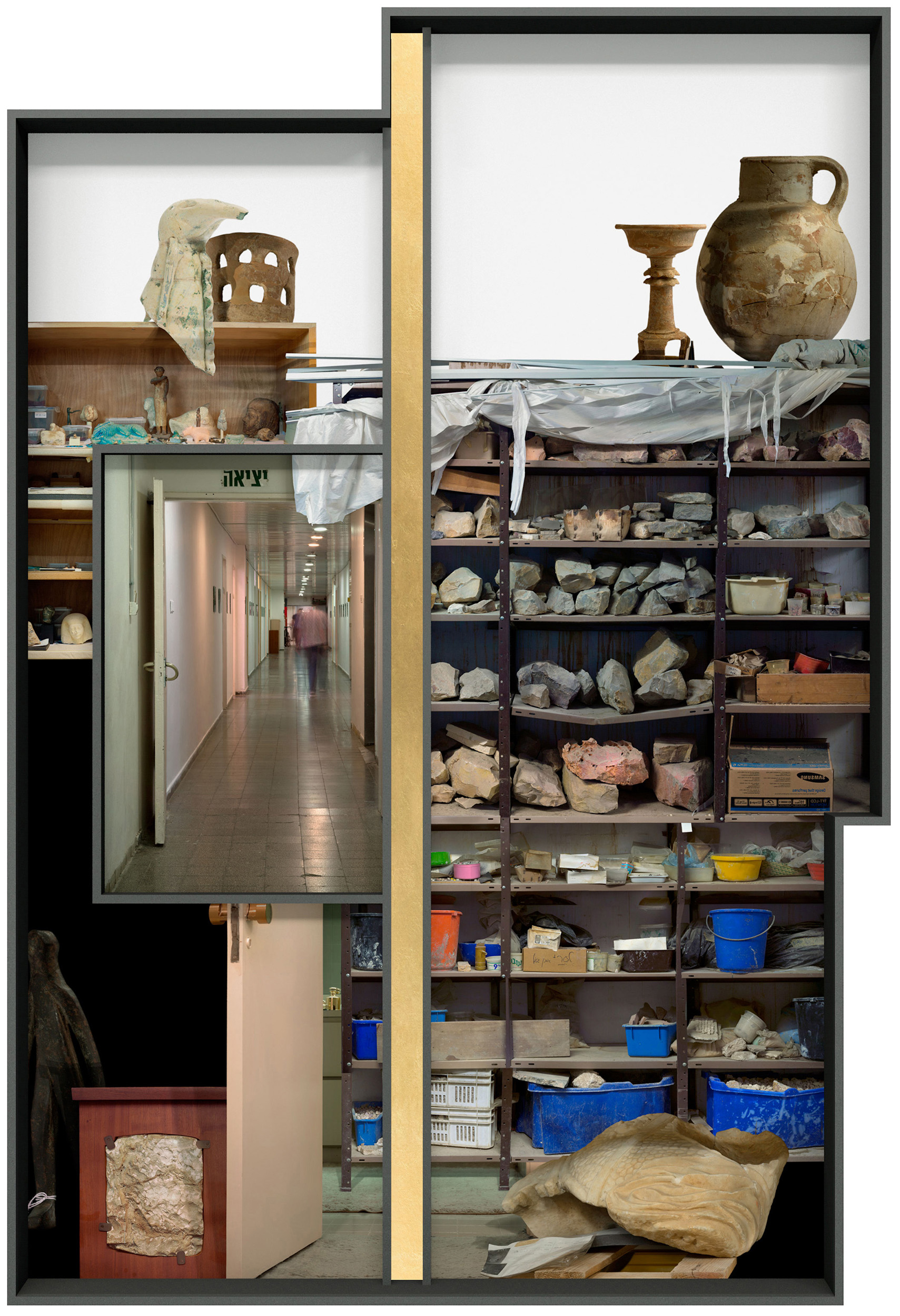
Inkjet print, gold leaves, 161X122 cm
Vitrine No. 2 Dreamtime. All this and more he had seen while asleep
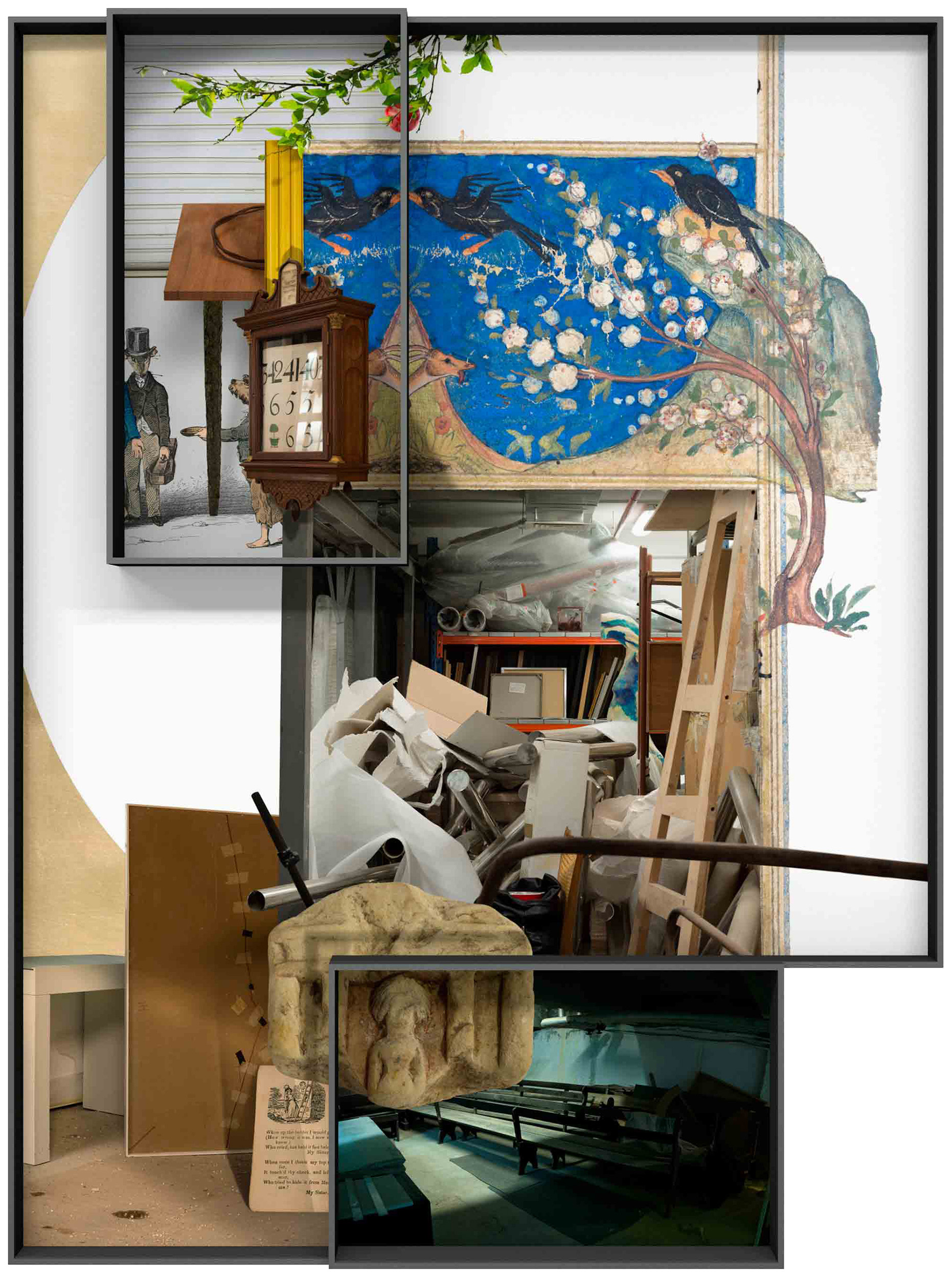
Inkjet print, gold leaves, 170X150 cm
Vitrine No. 3 New head – when he made the wrong movement he didn’t know what harmony he was tearing apart
Inkjet print, gold leaves, 142X120 cm
Vitrine No. 4 (Take, for instance, this) true story
Inkjet print, 99X70 cm
Vitrine No. 5 Neither dream nor riddle
Inkjet print, 230X150 cm
Vitrine No. 6 It is impossible to explain how suddenly everything stood still
Inkjet print, 193X150 cm
Vitrine No. 7 Cover story
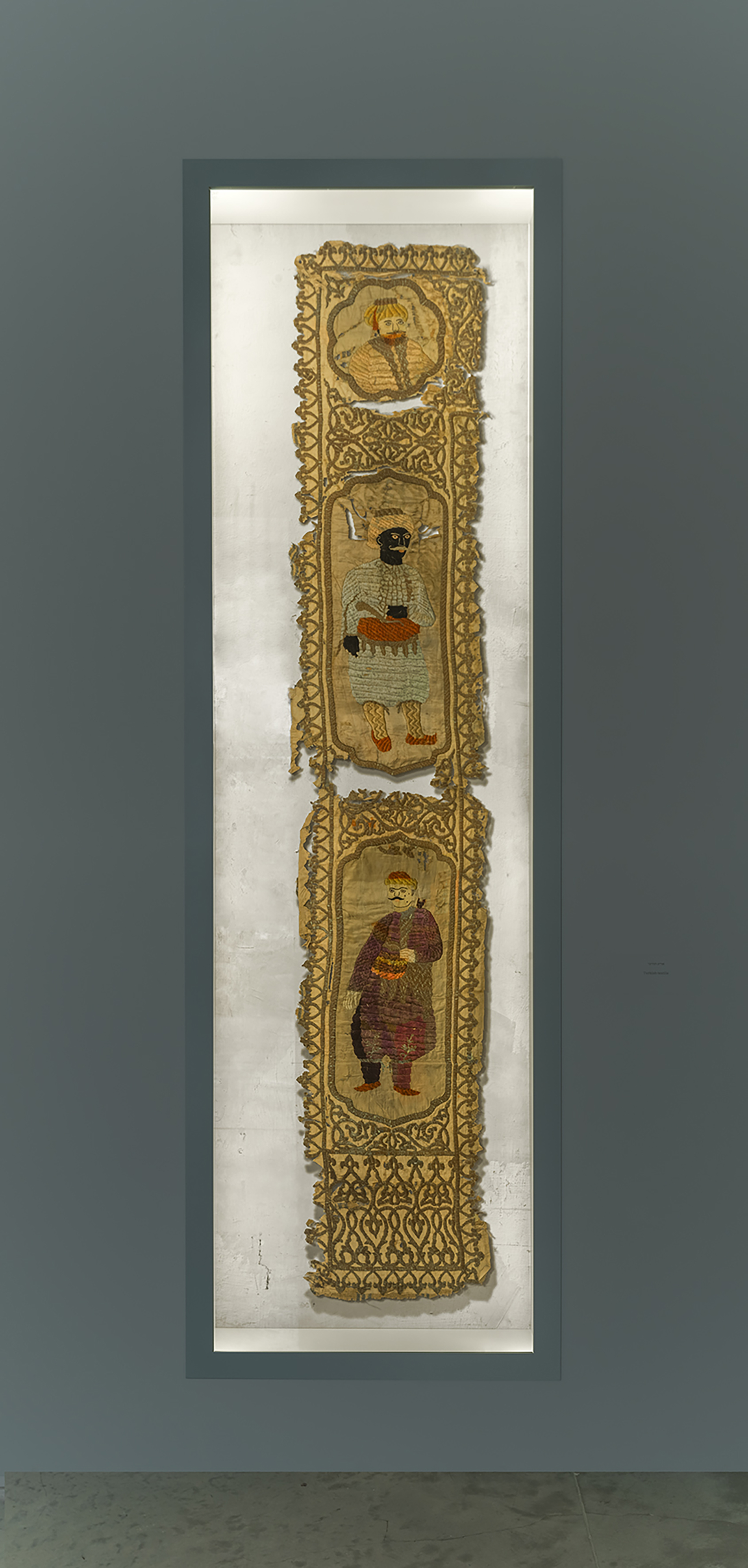
Inkjet print, 257X73 cm
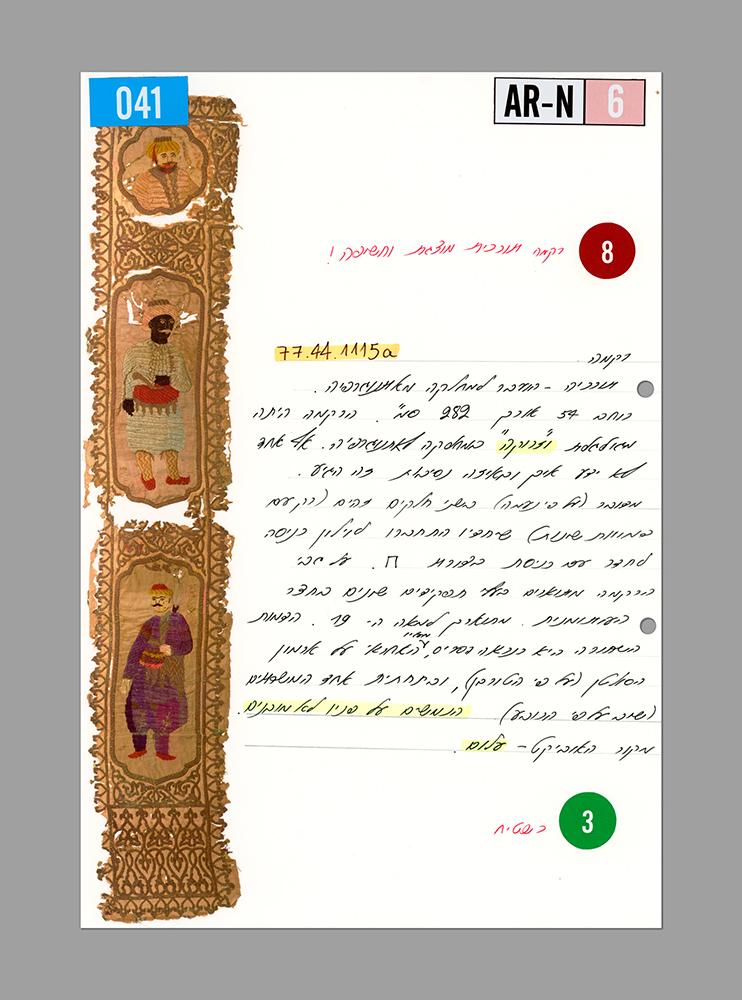
Vitrine No. 8 Turkish textile
Inkjet print, 214X150 cm
Vitrine No. 9 The return of things that are no more
Inkjet print, 257X120 cm
Vitrine No. 10 Cover story (late)
Inkjet print, 104X65 cm
Vitrine No. 11 On the most beautiful thing in the world
Inkjet print, 130X179 cm
Vitrine No. 12+13 For unknown reasons, the place they occupied is empty
Inkjet print, 174X136 cm
Vitrine No. 14 One may ask, how, by what principle, does the world persist?
Inkjet print, 168X149 cm
Vitrine No. 15 Contemplating, what did he see? The beginning, preceded by nothing?
Inkjet print, 131X101 cm
Vitrine No. 16 Remembered from that journey was only this
Inkjet print, 138X98 cm
Vitrine No. 17 The life in her is limited to that side only
Inkjet print, 125X77 cm
Vitrine No. 18 Before she reaches the ground (still mid-air) one can see that her neck is broken
Inkjet print, 117X80 cm
Vitrine No. 19 Imagine that only one person could see the mereness of things
Inkjet print, 157X121 cm
Vitrine No. 20 All sorts of sights went wrong like a great catastrophe in a glass storage

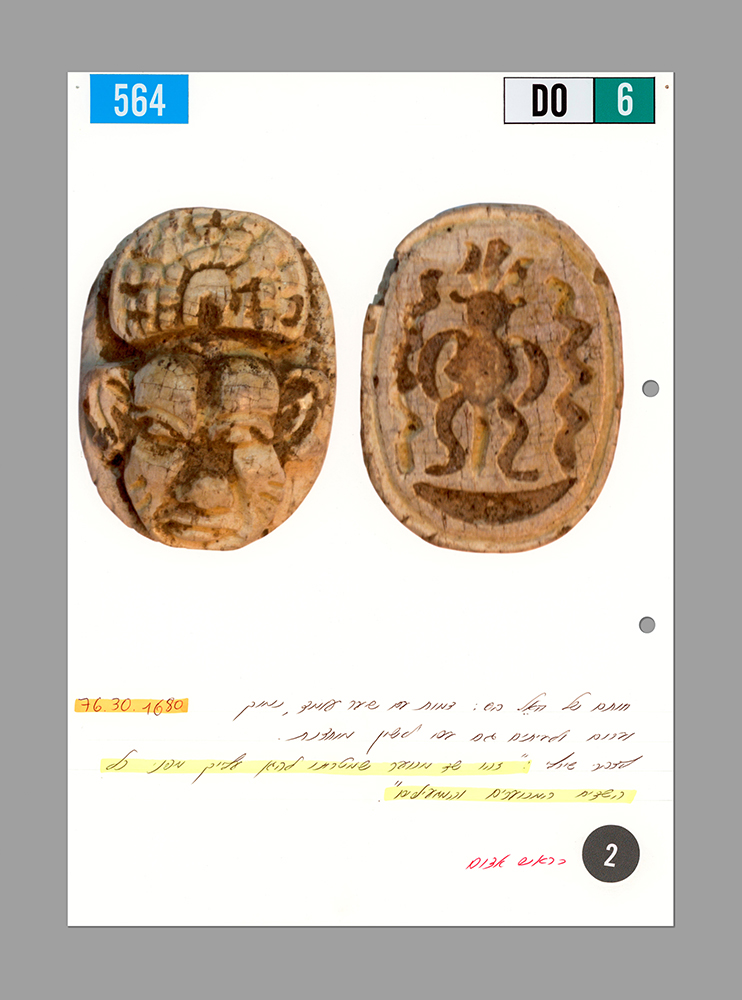
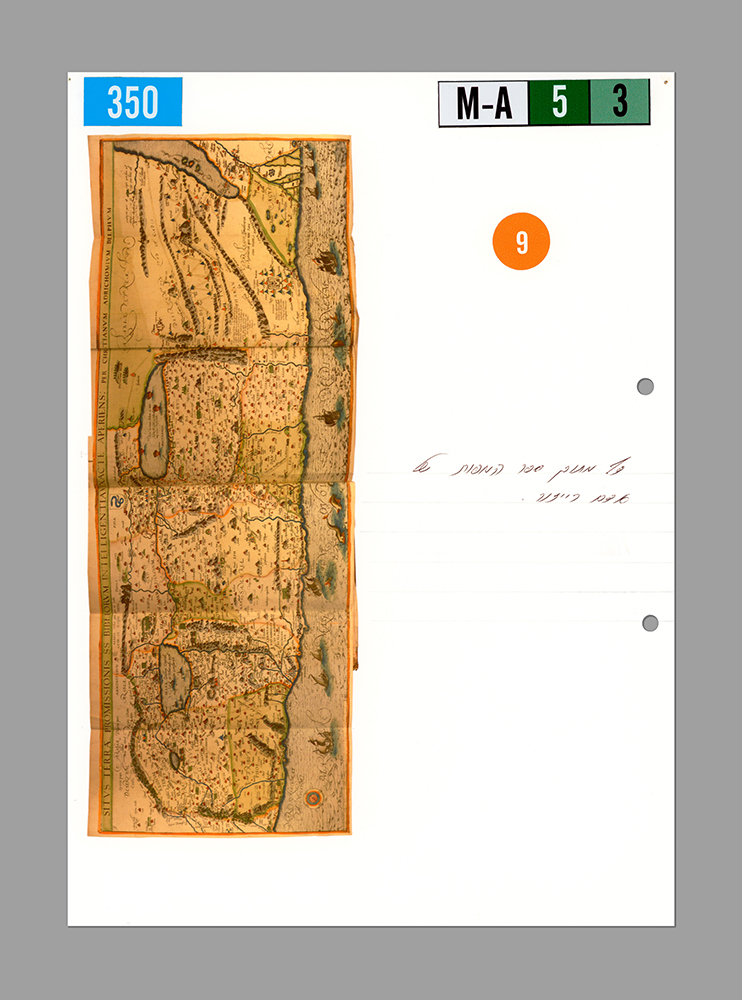
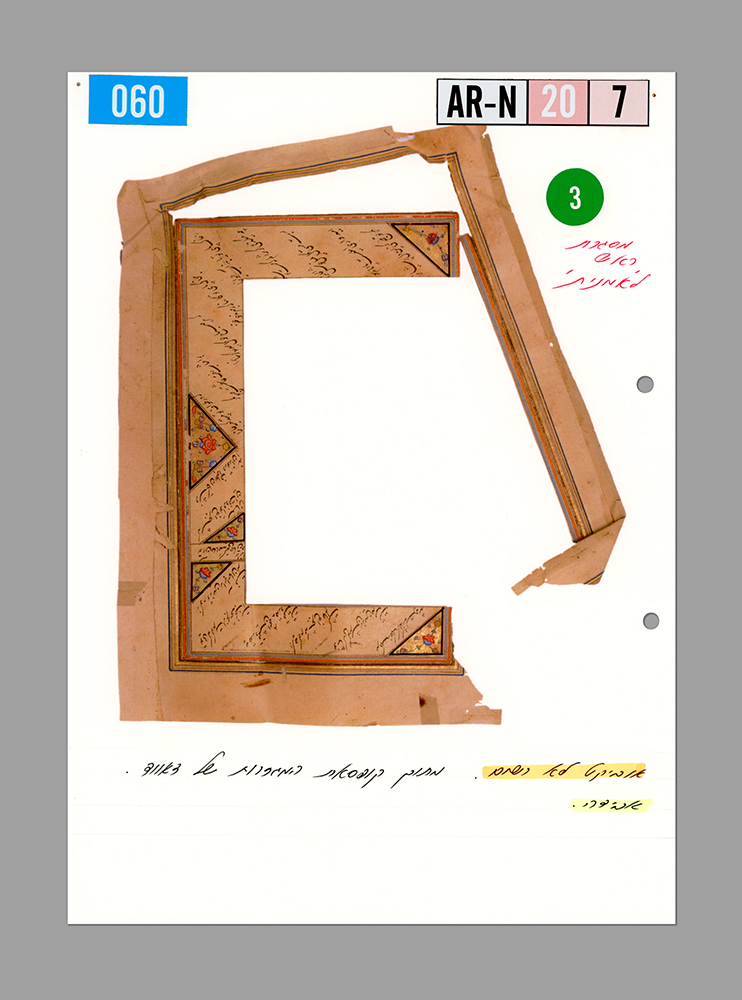
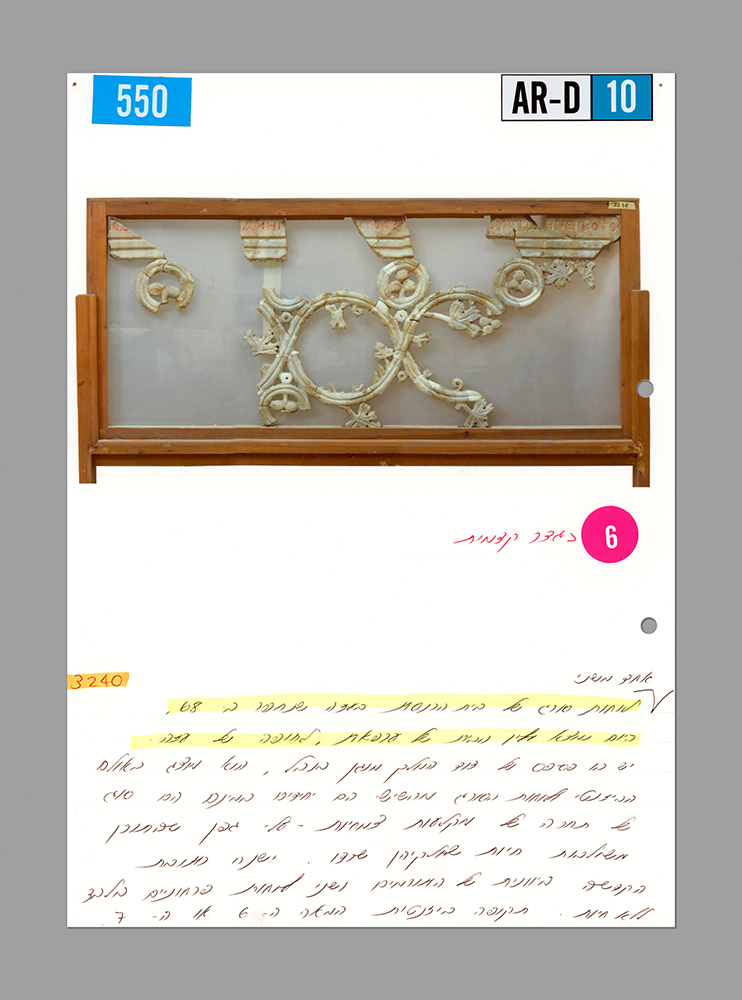
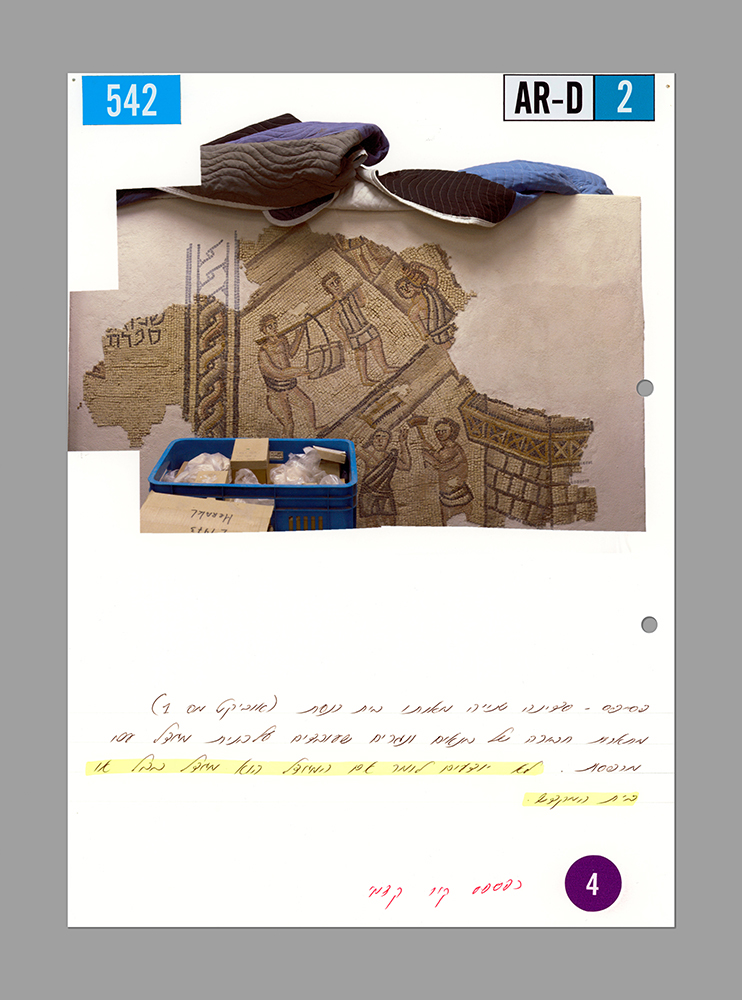
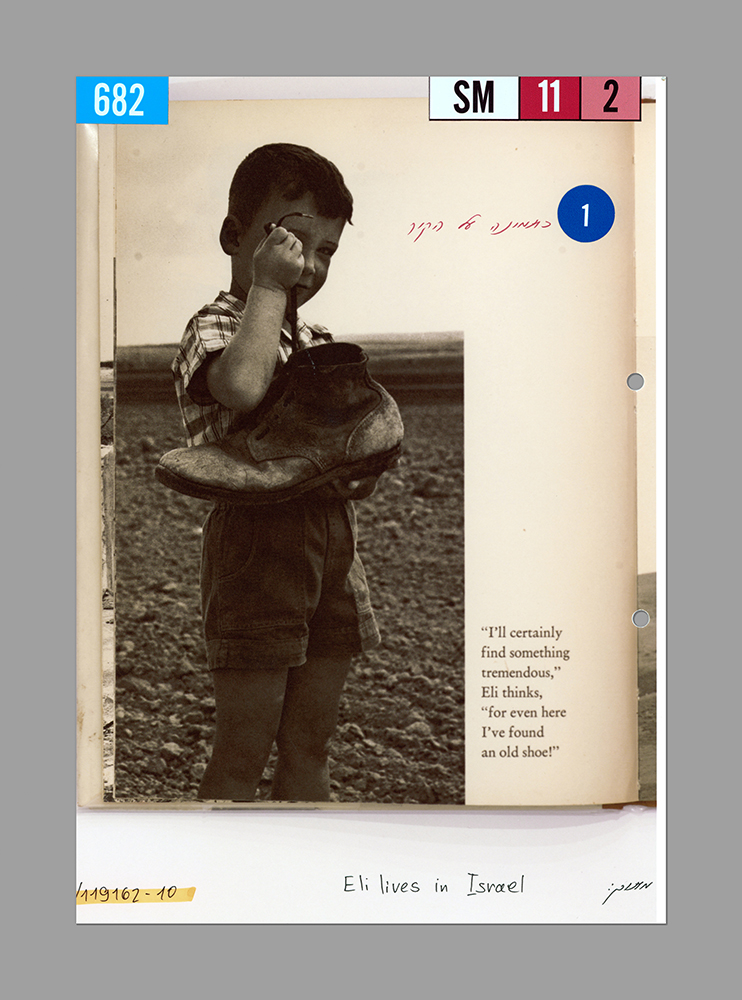
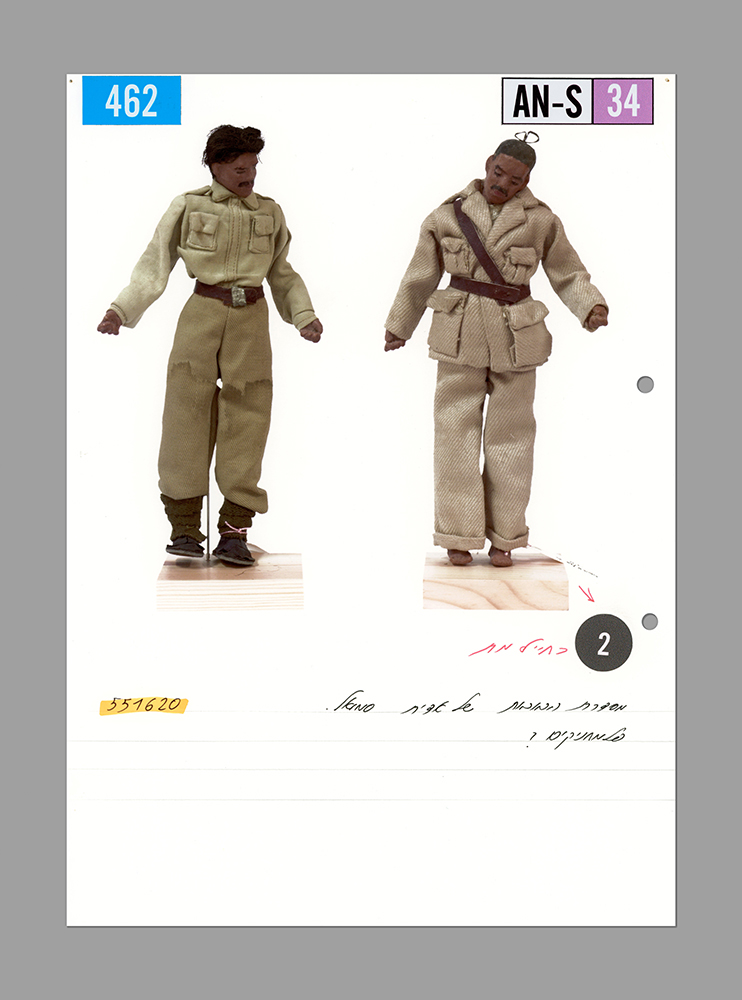
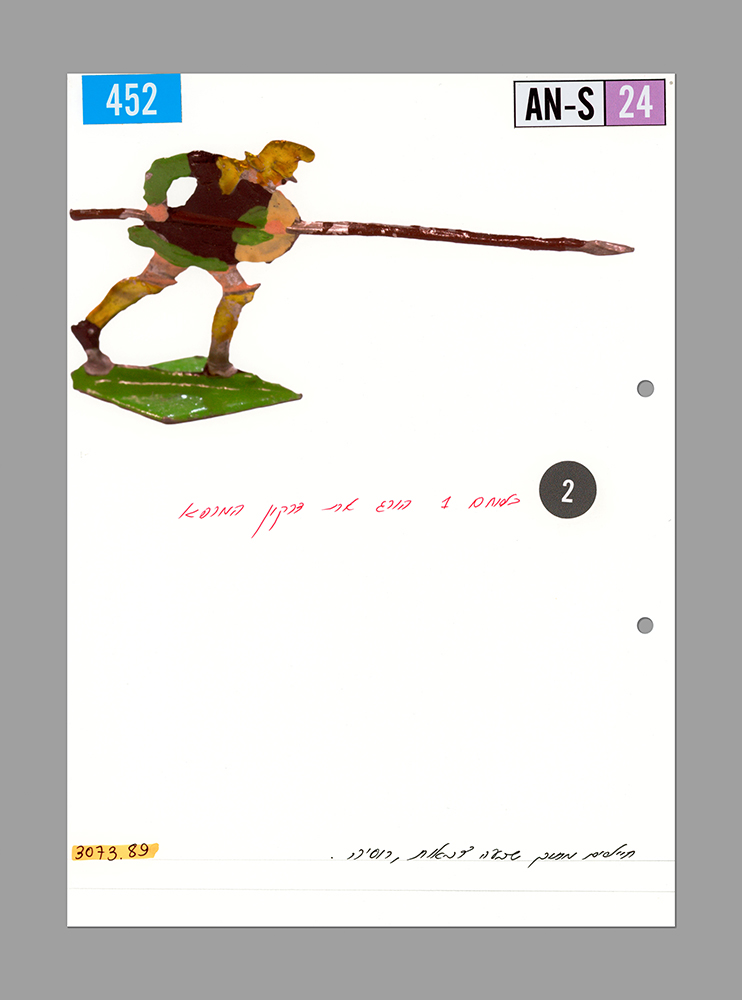
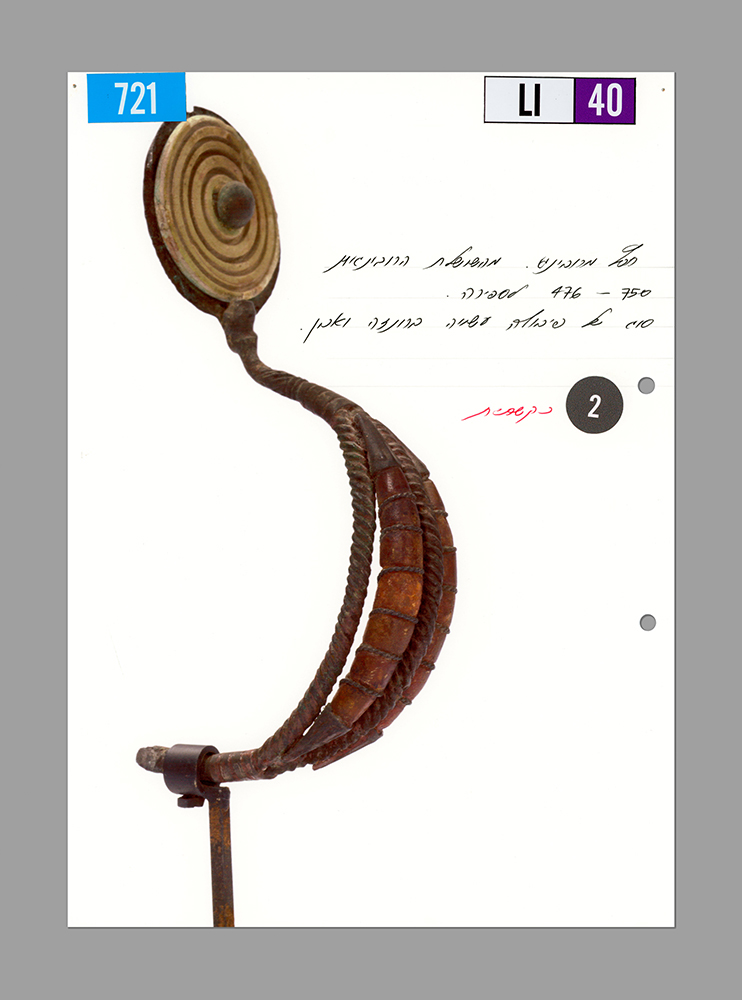
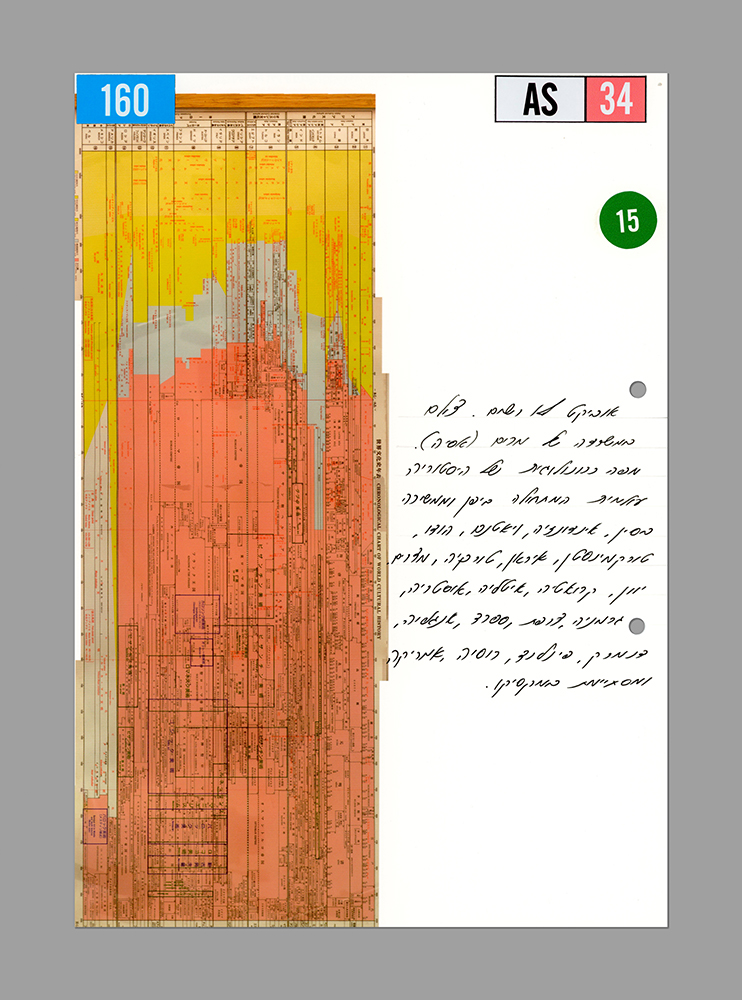
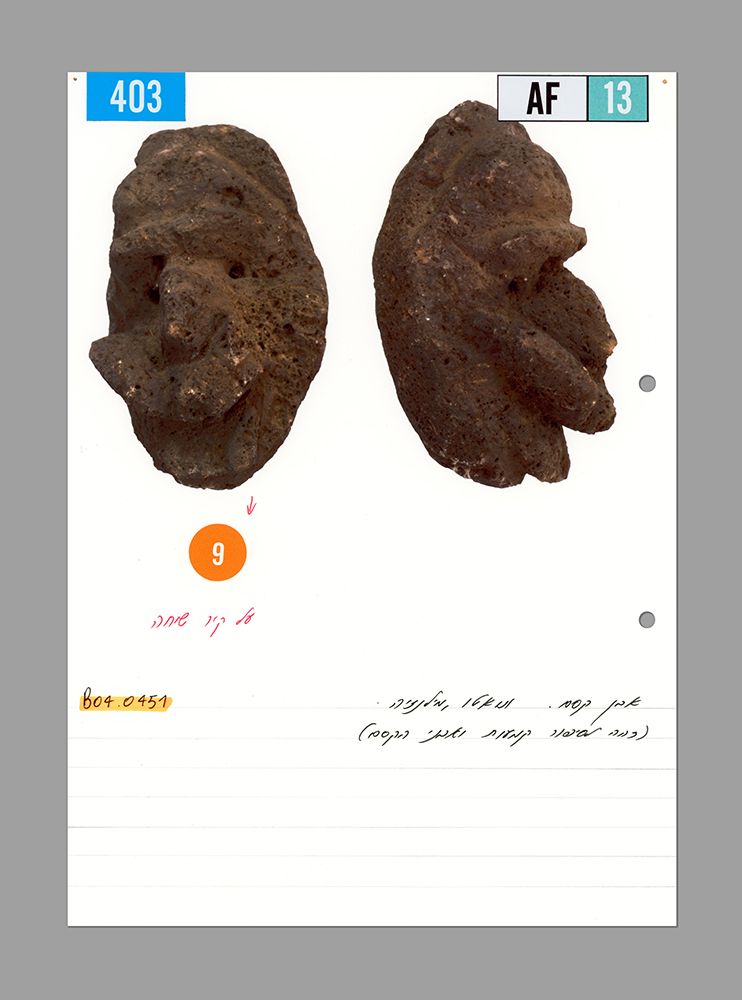
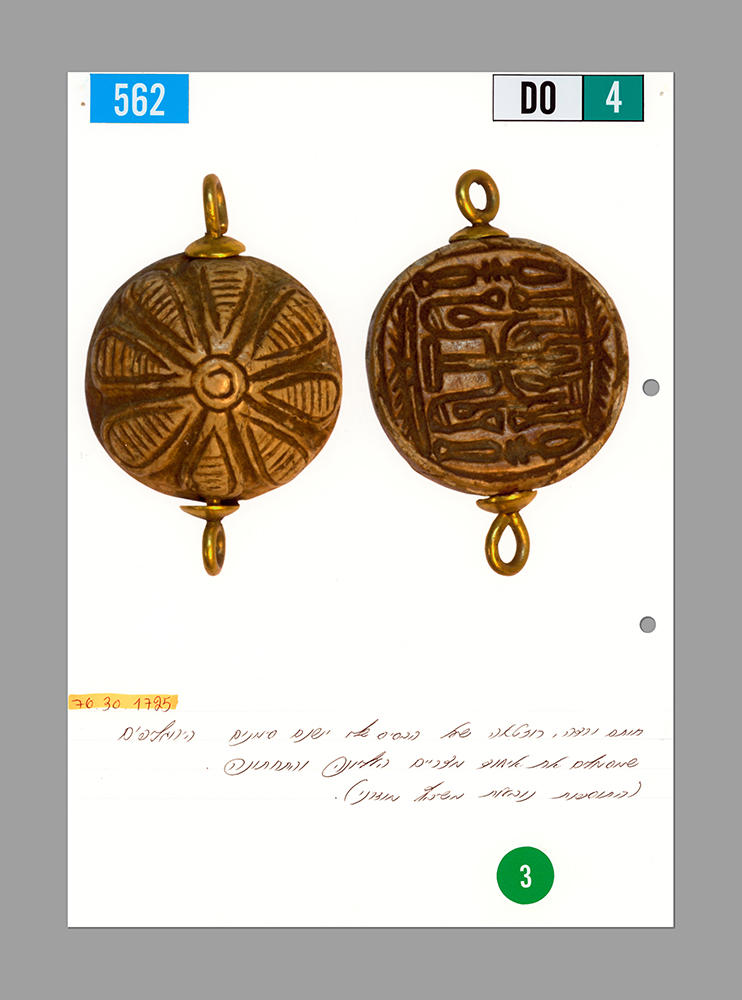
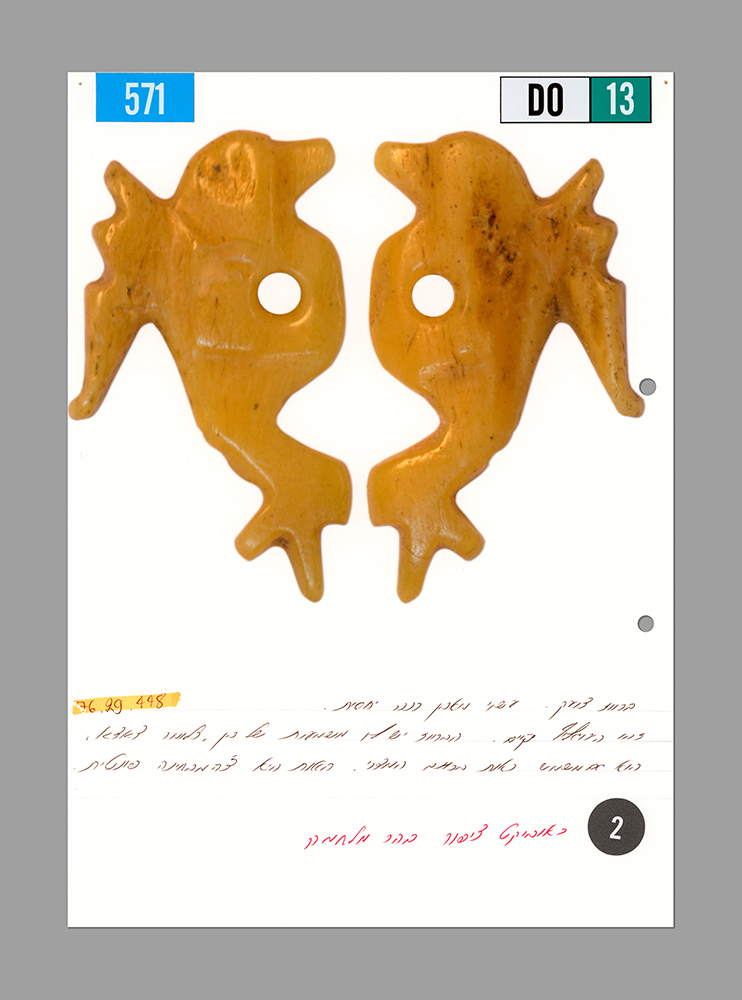
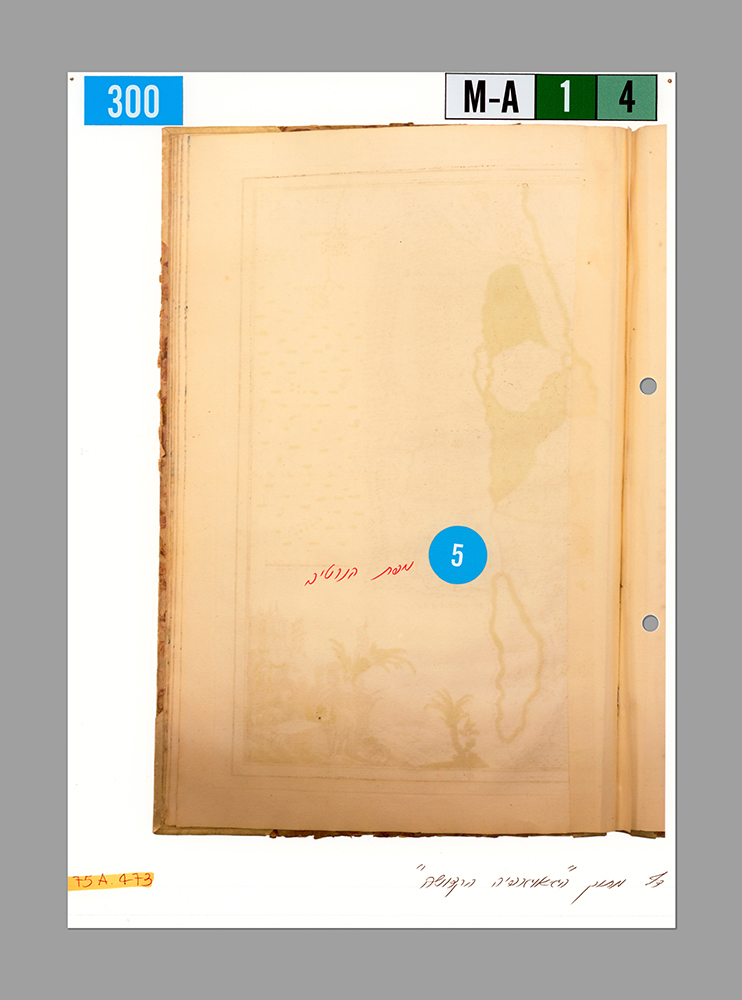
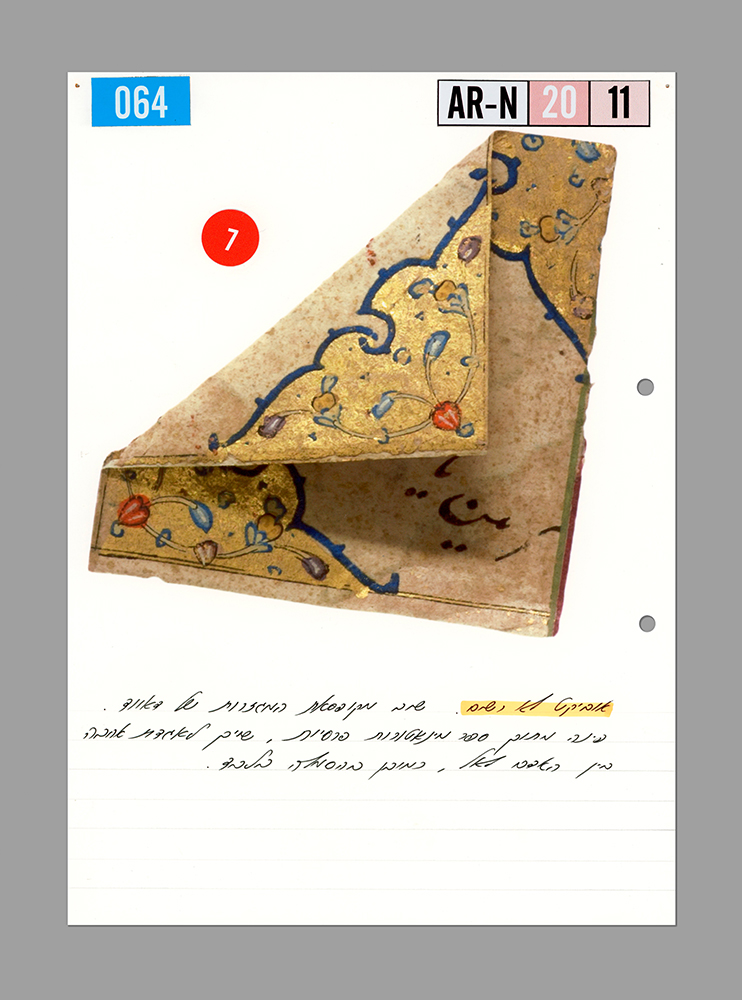
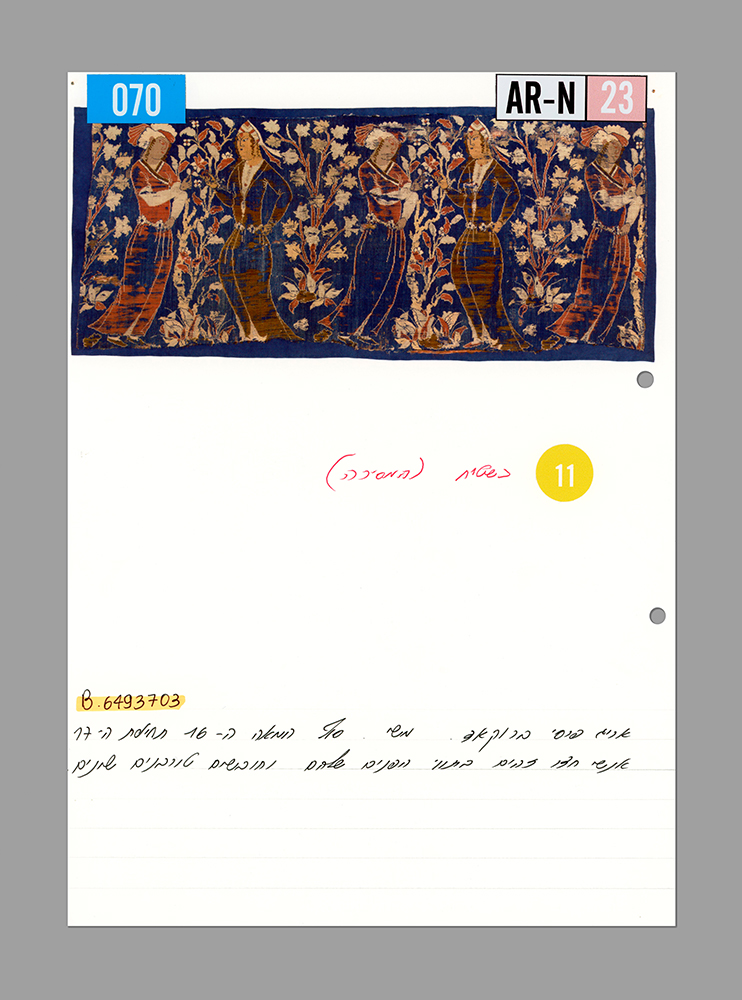
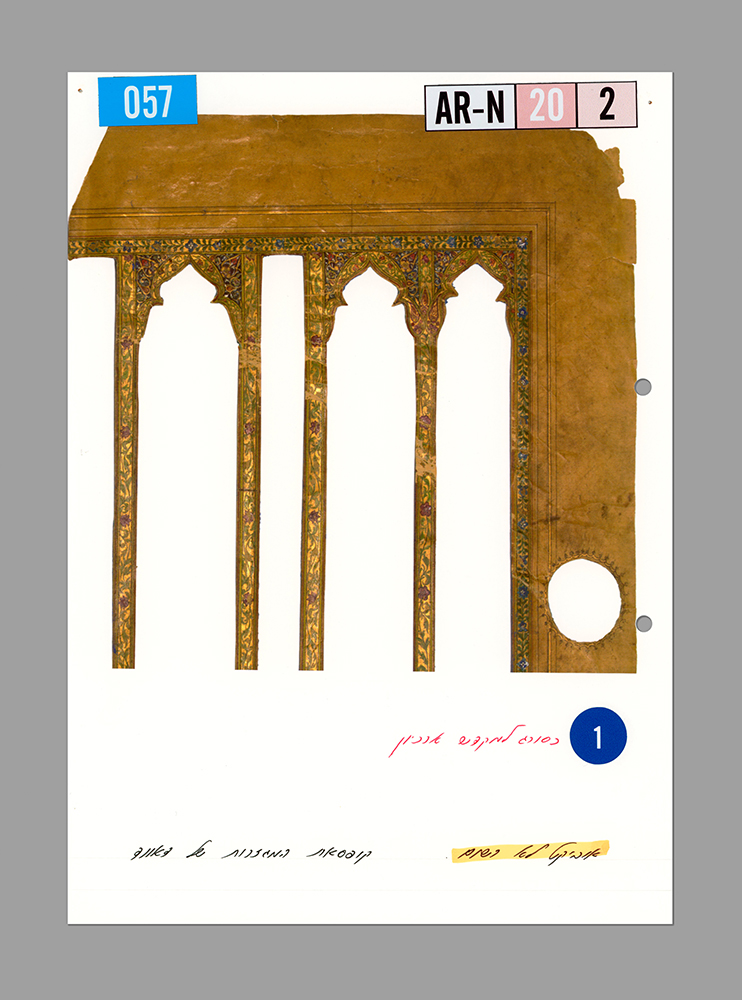
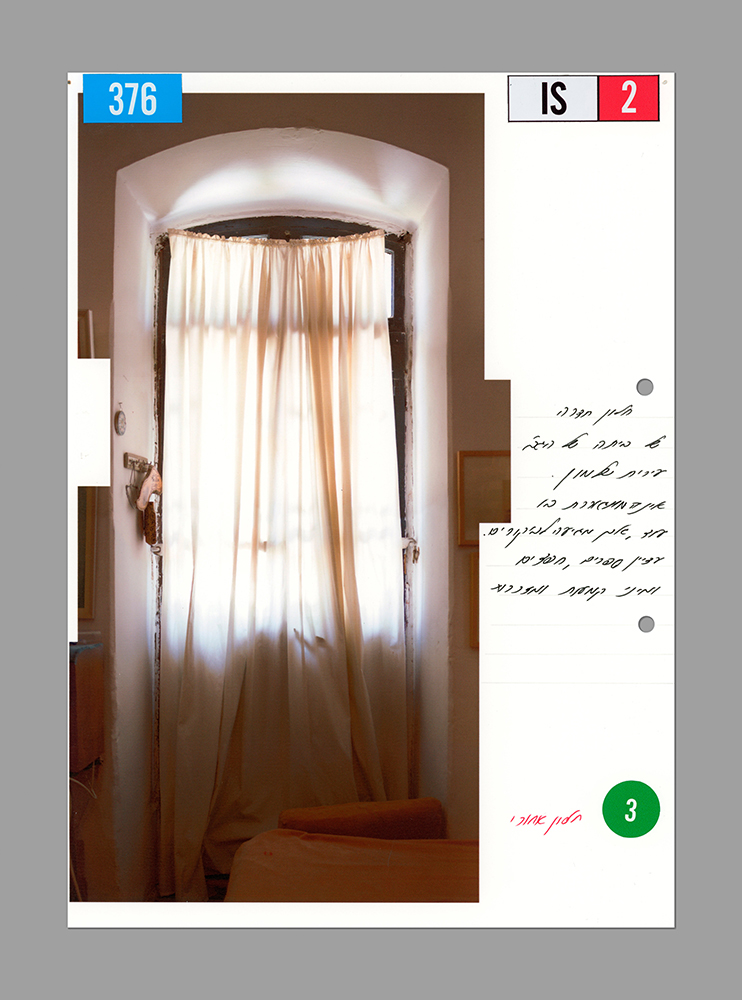
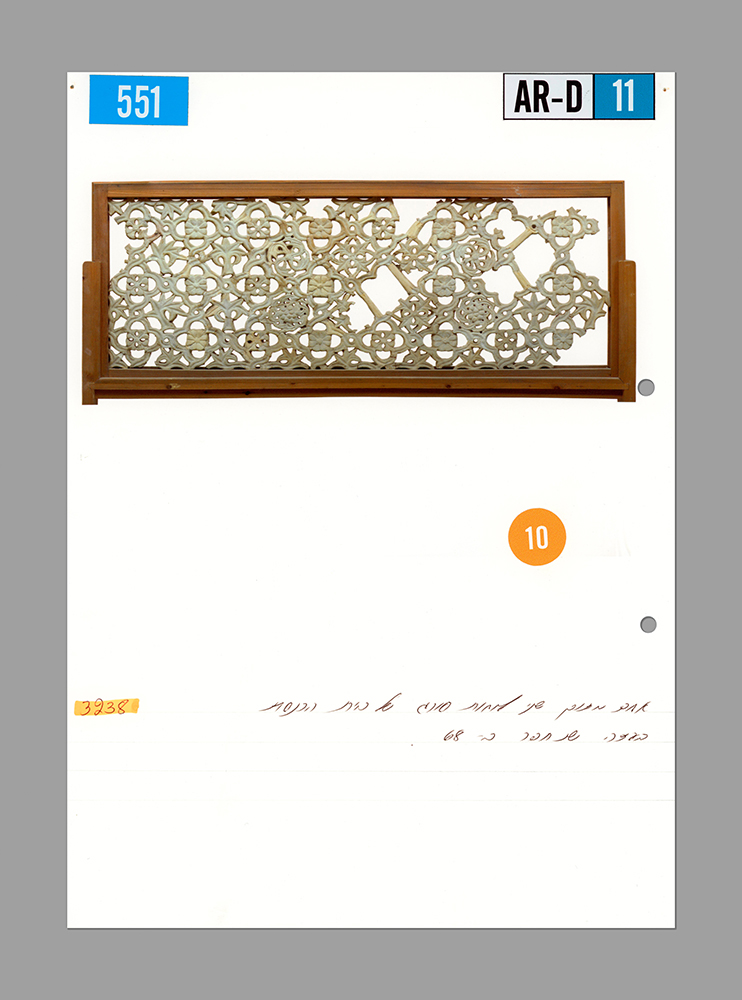
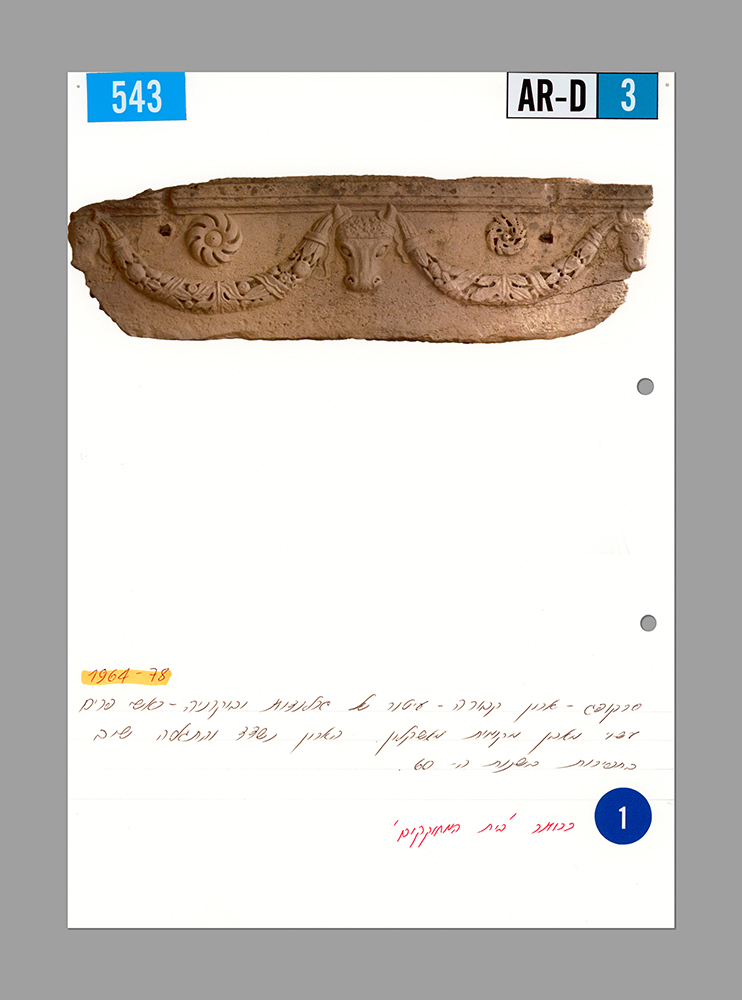
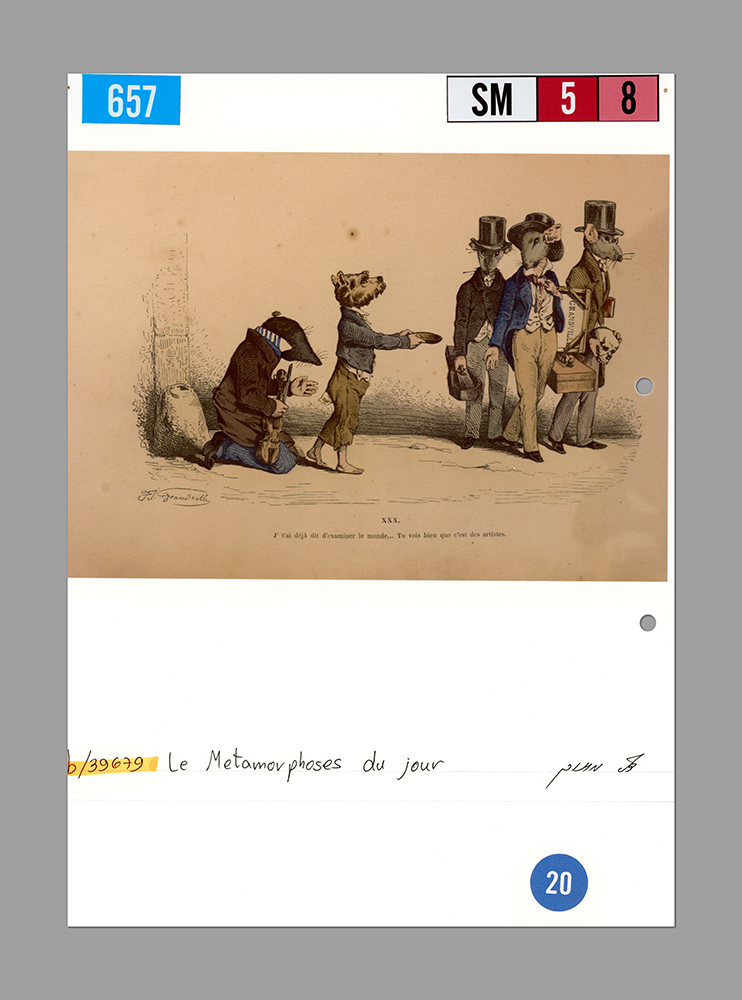
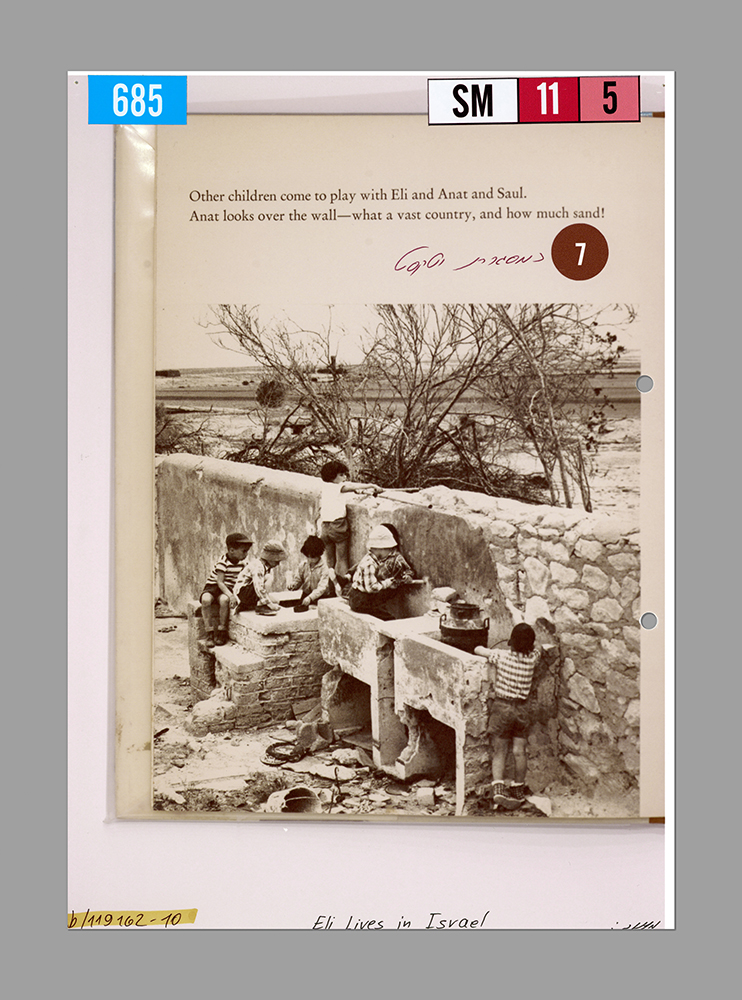
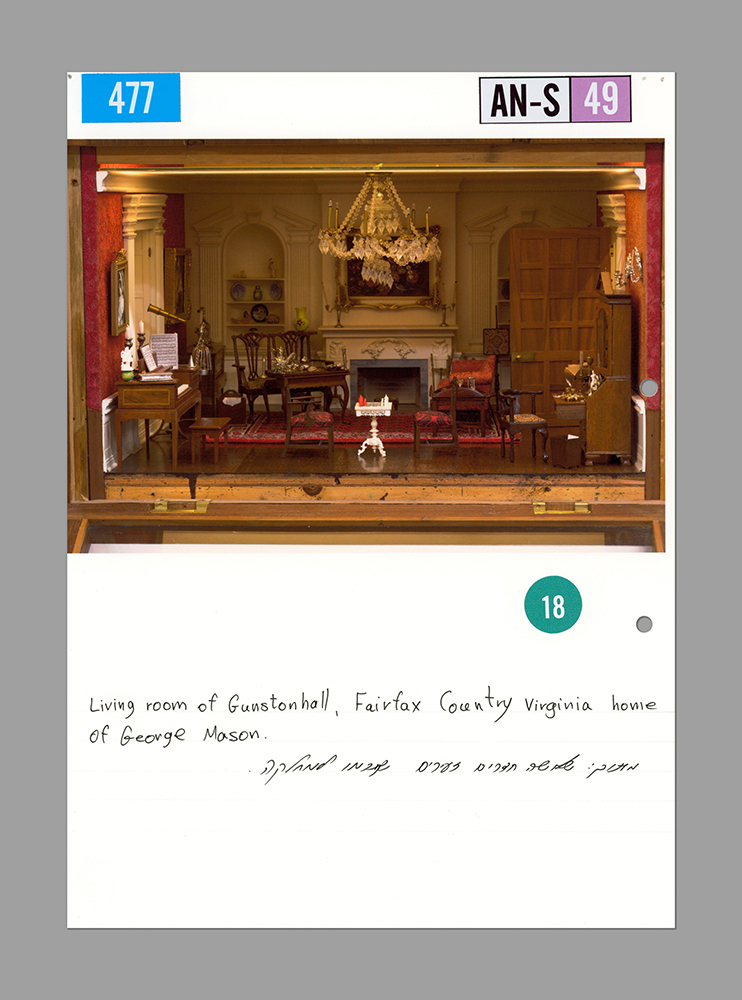
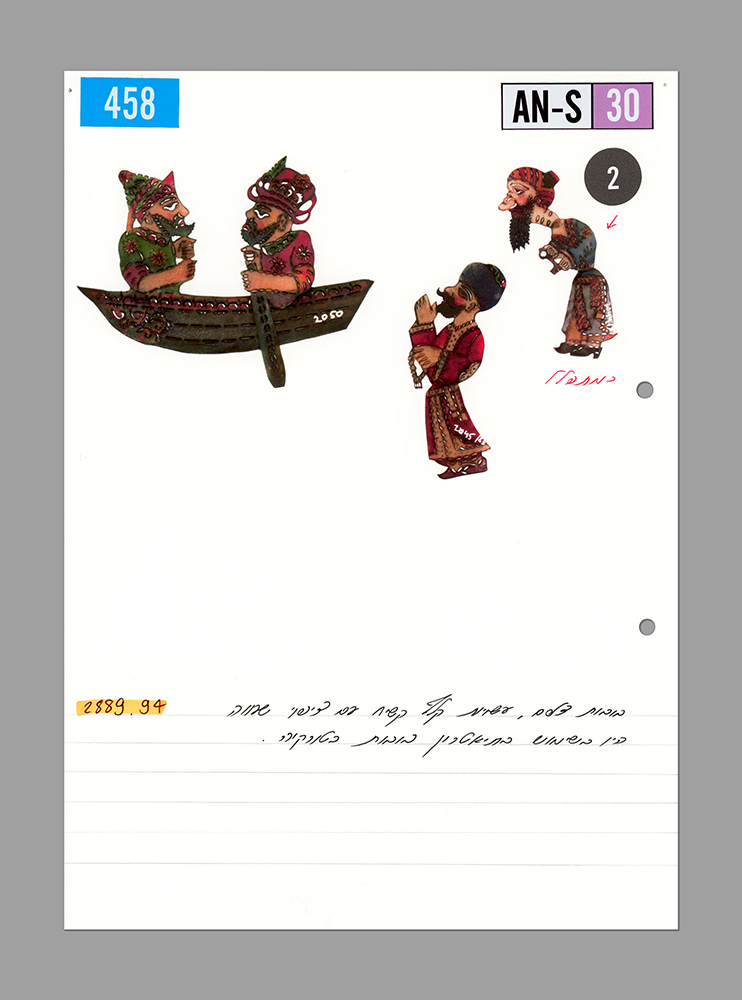
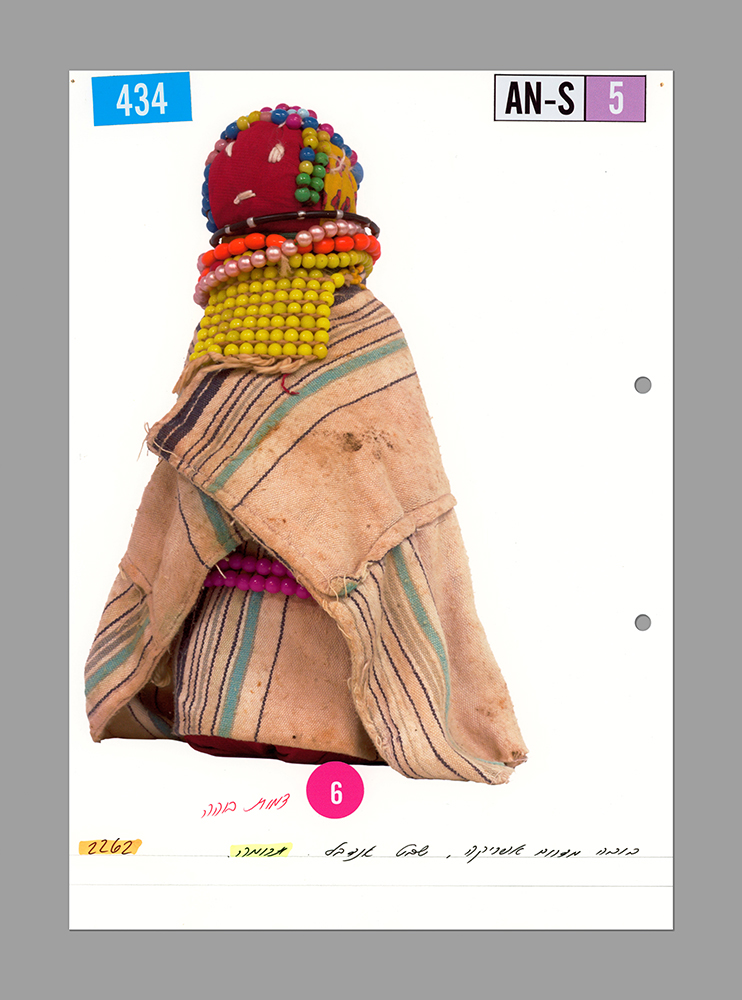
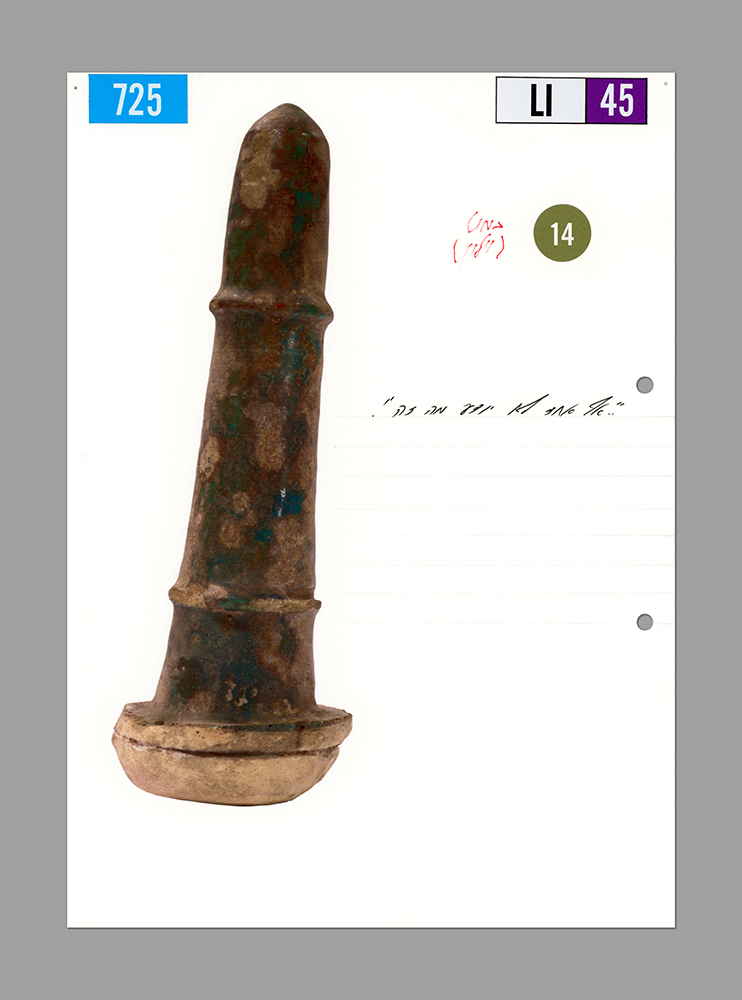
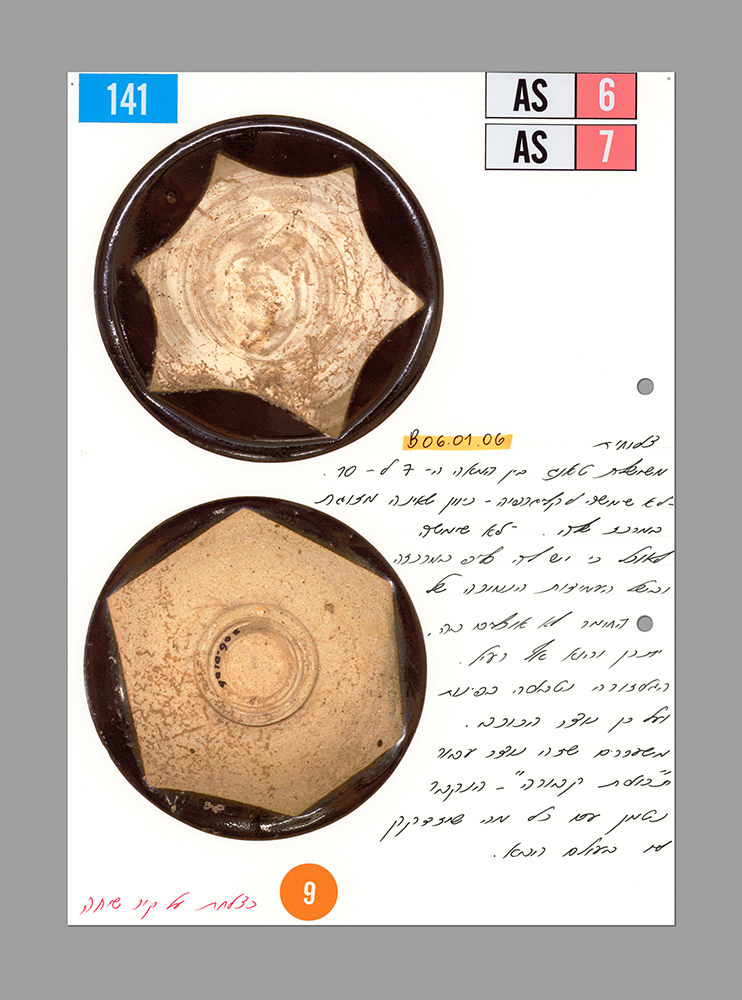
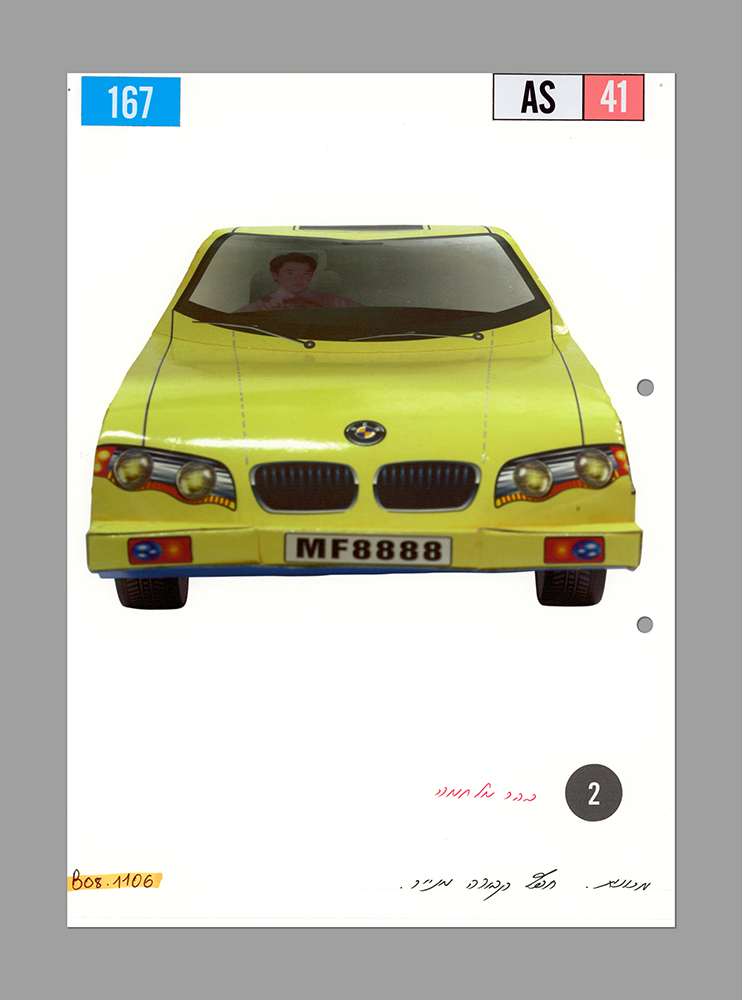
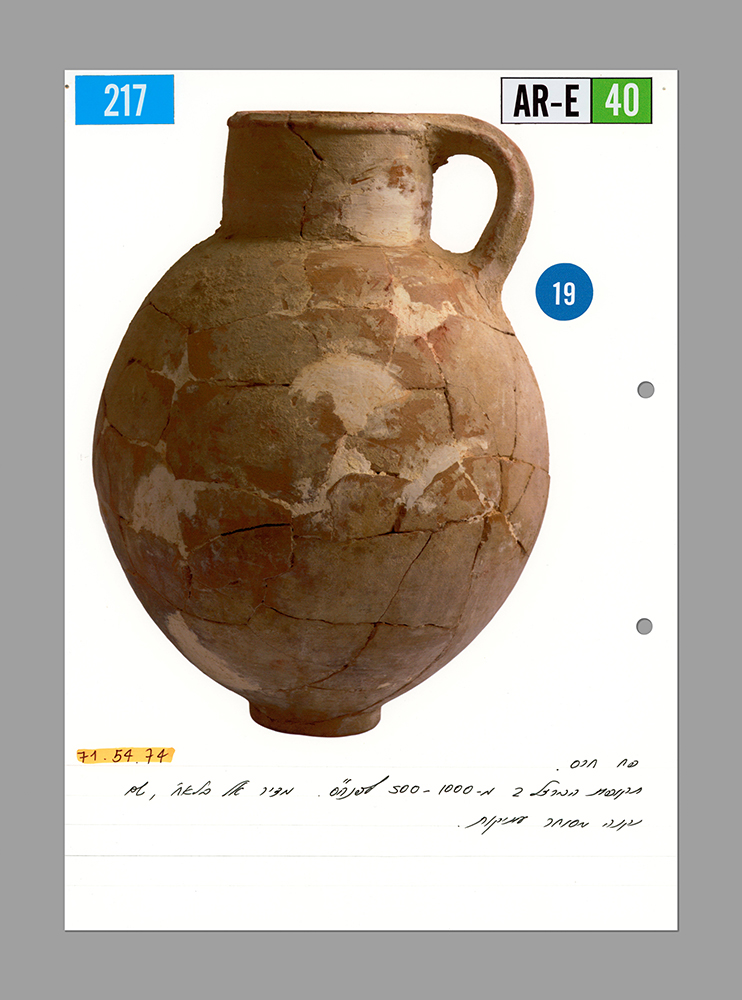
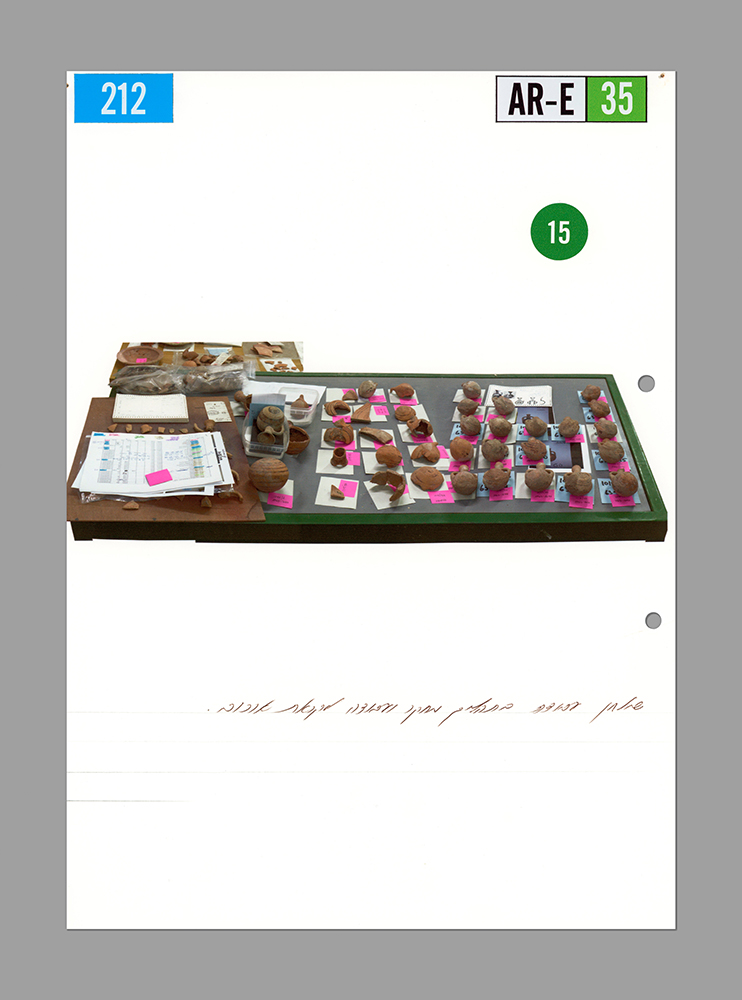
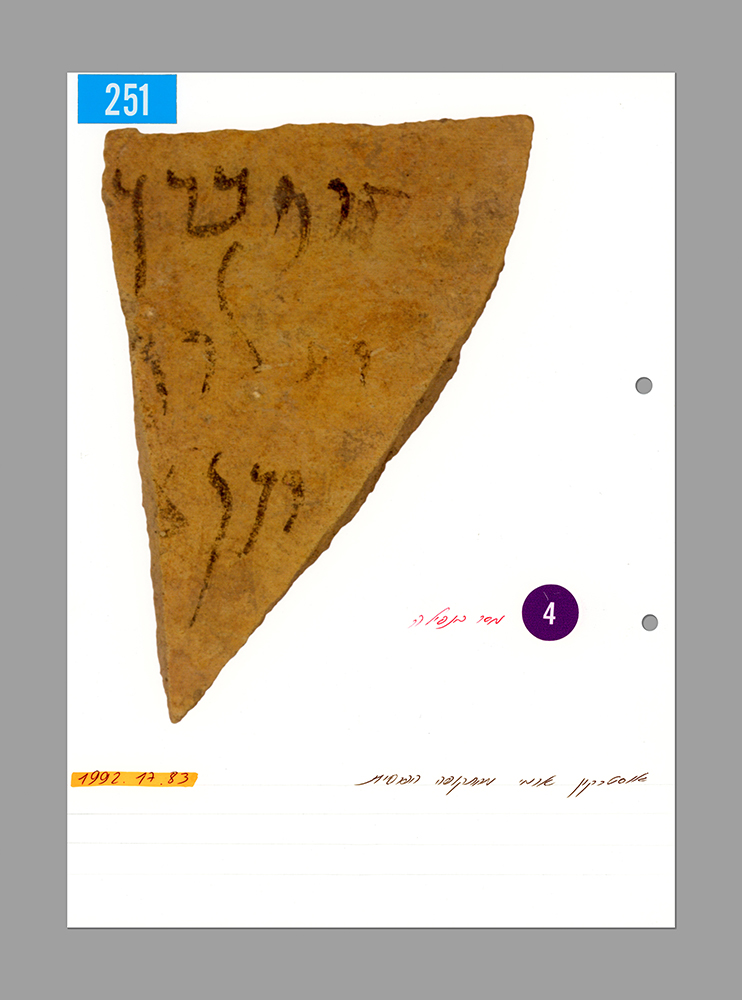
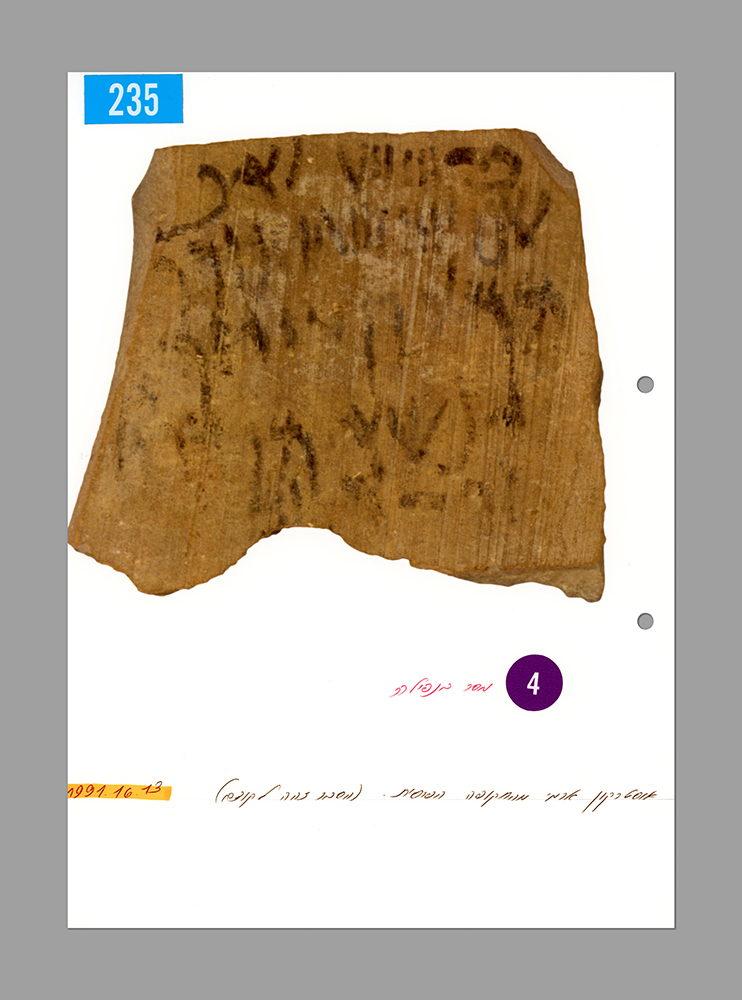
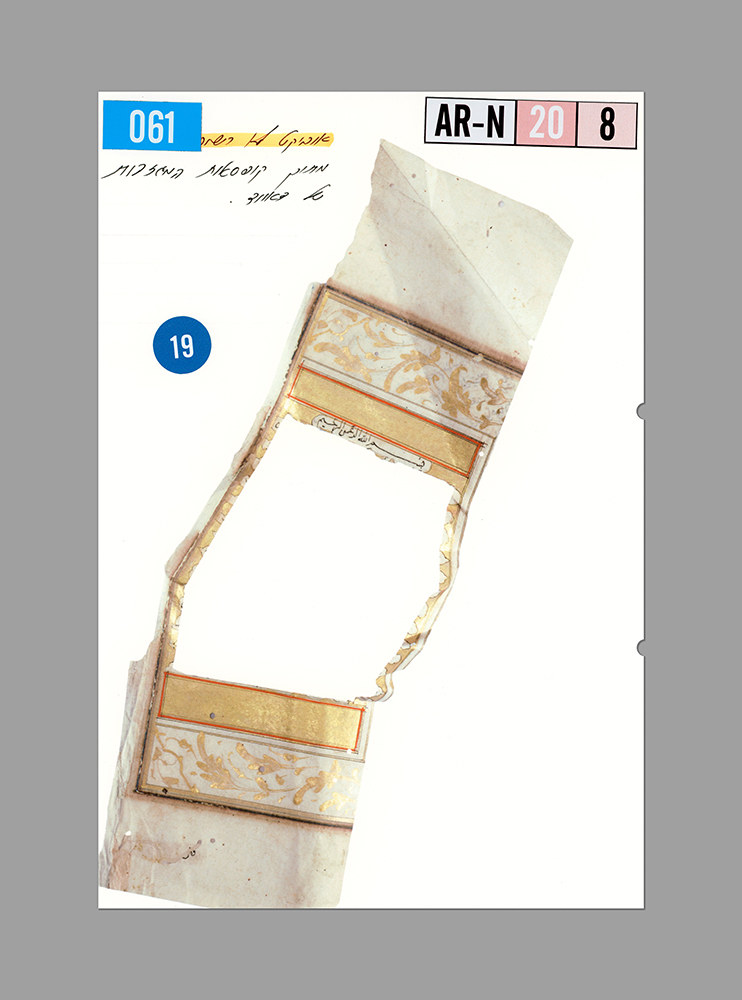
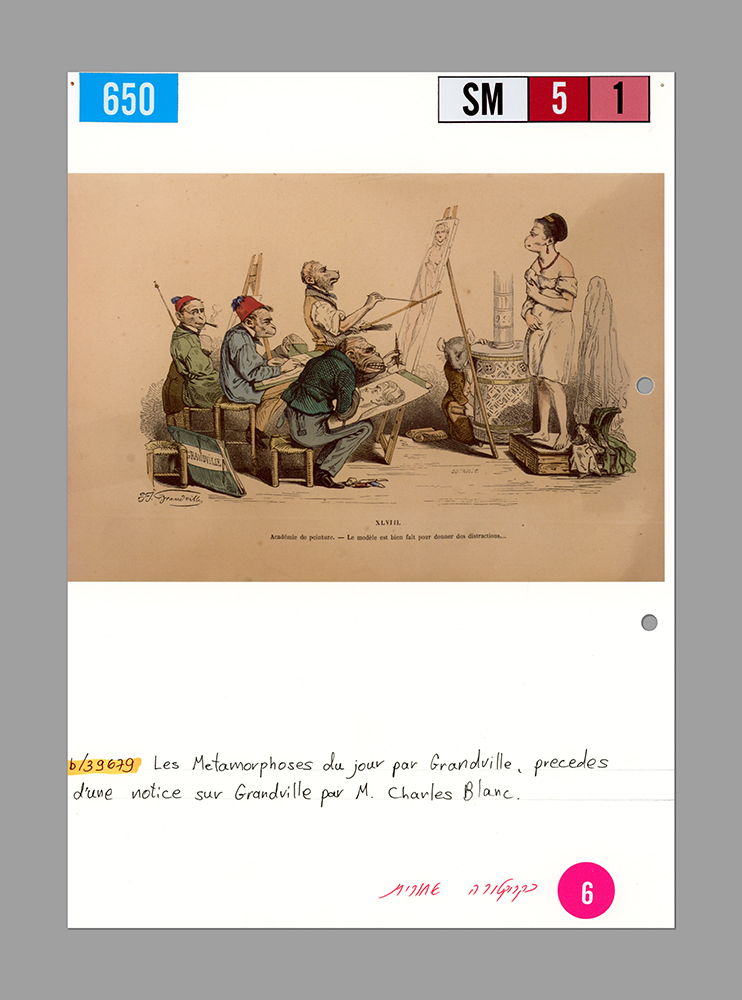
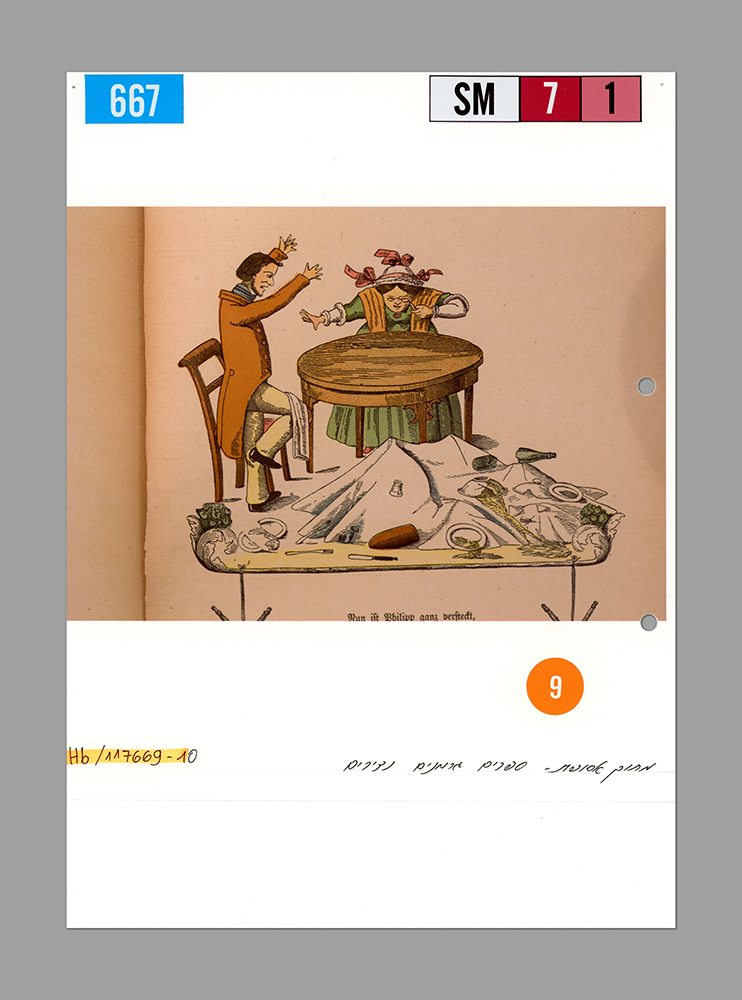
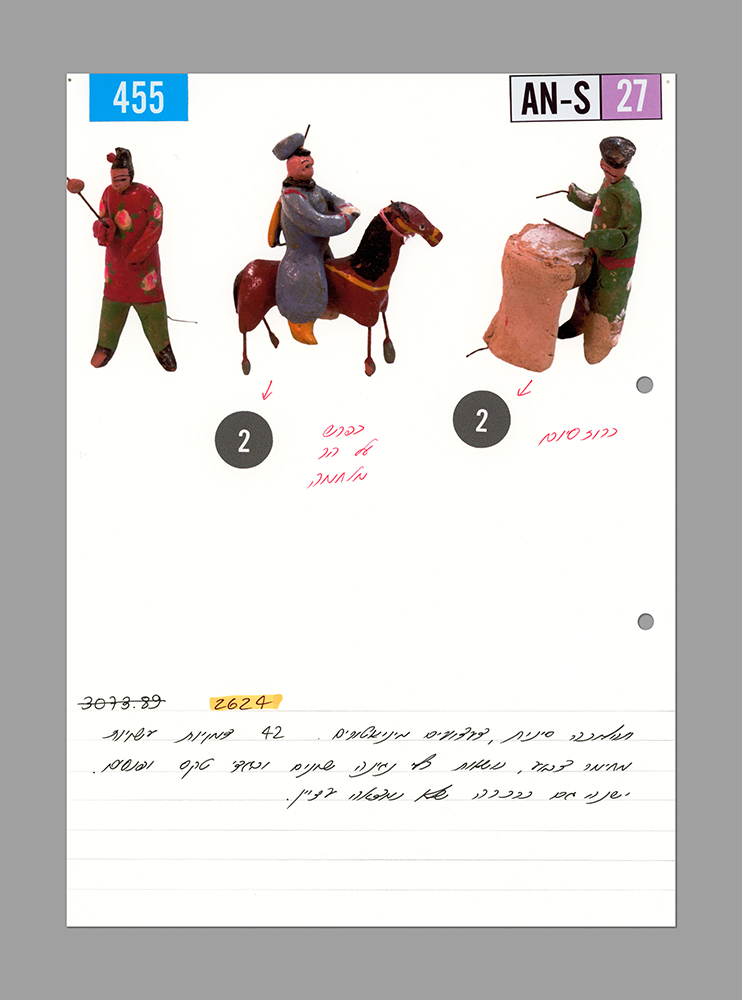
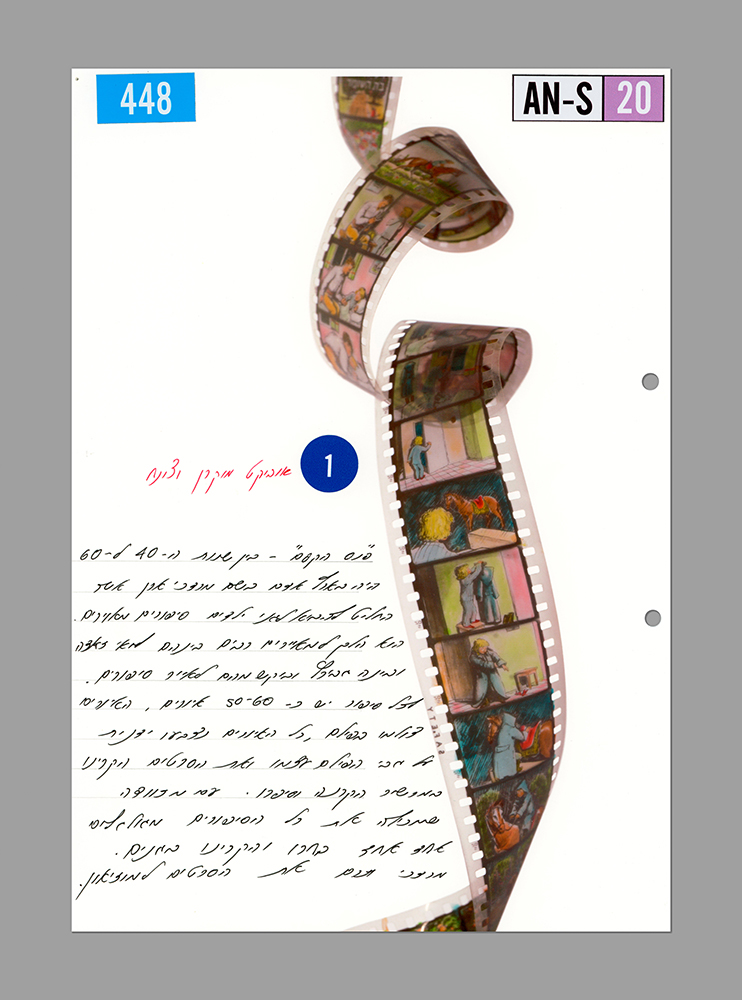
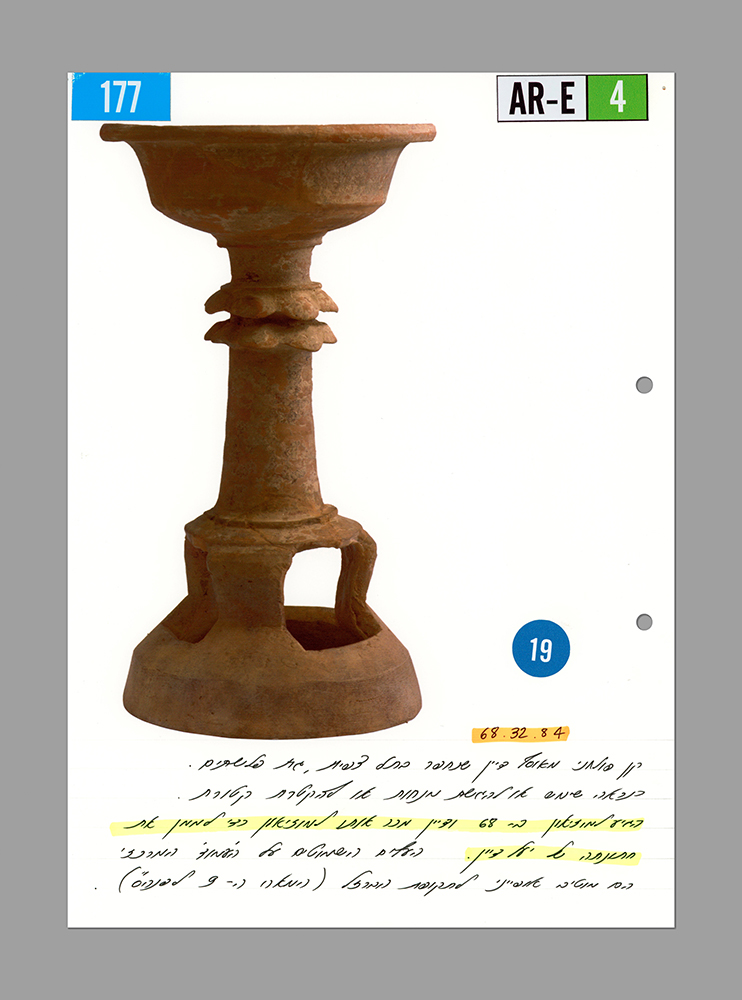
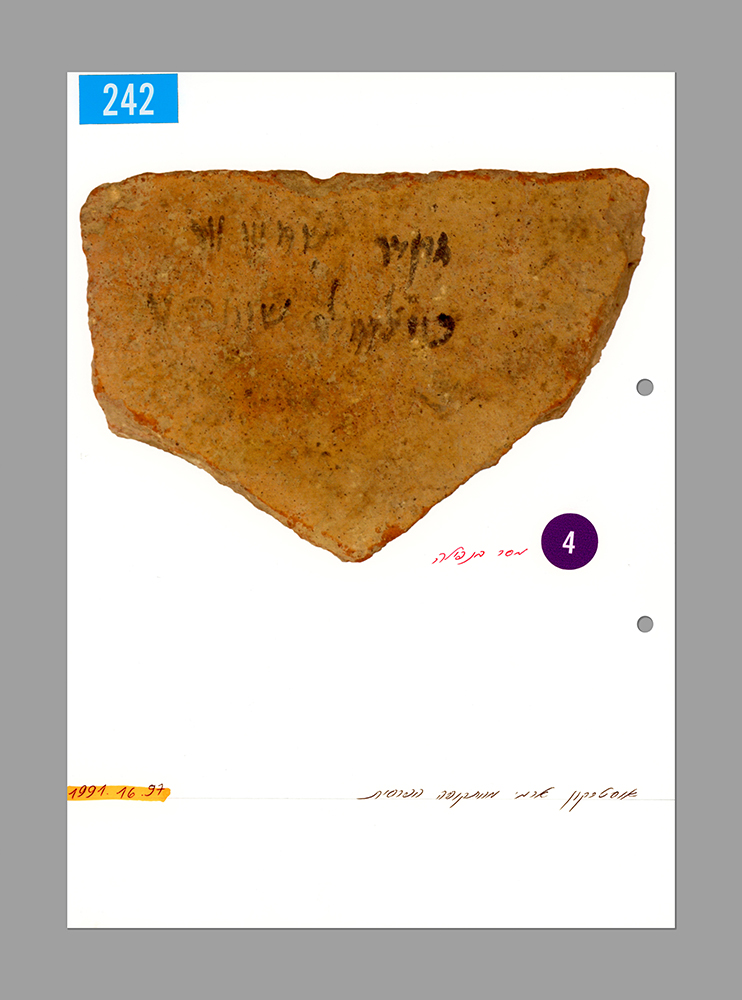
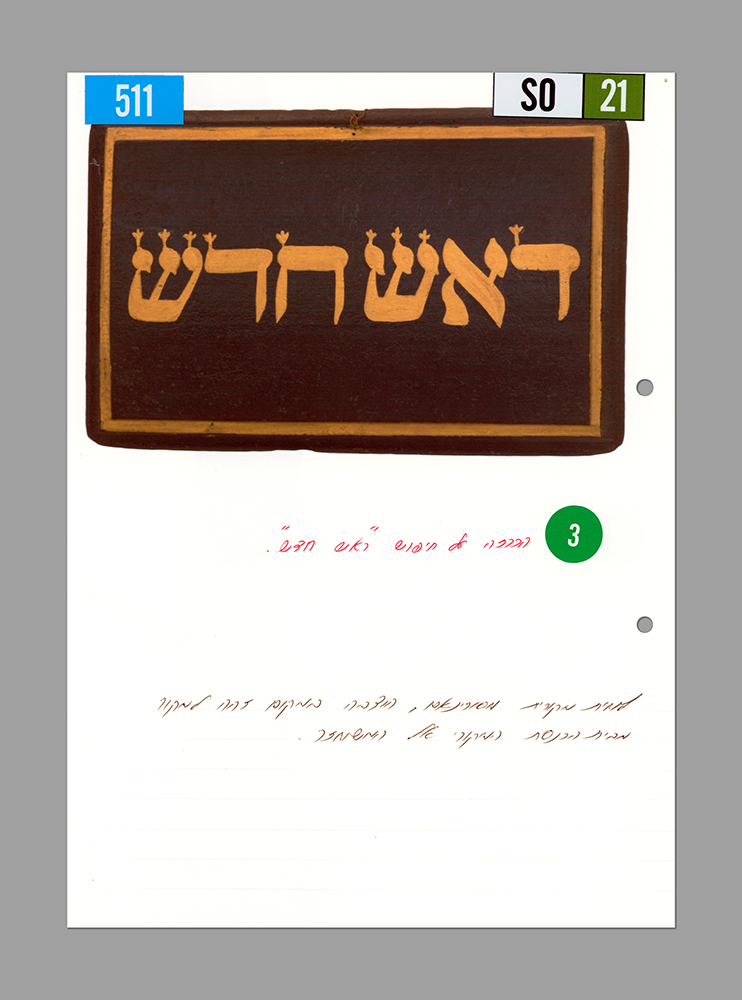
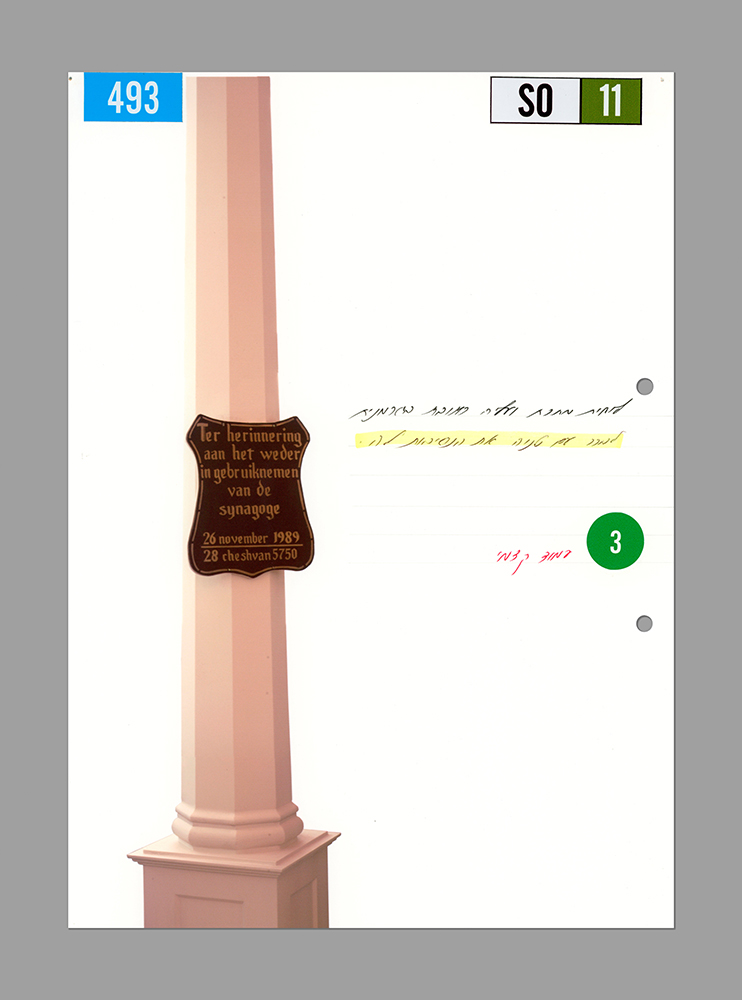
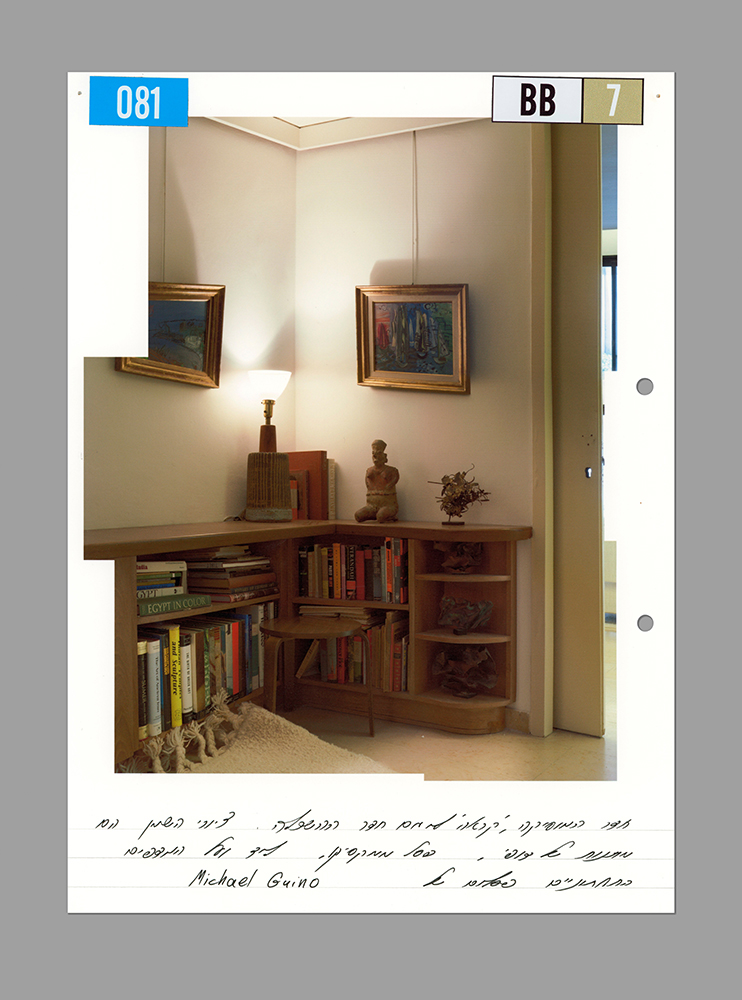
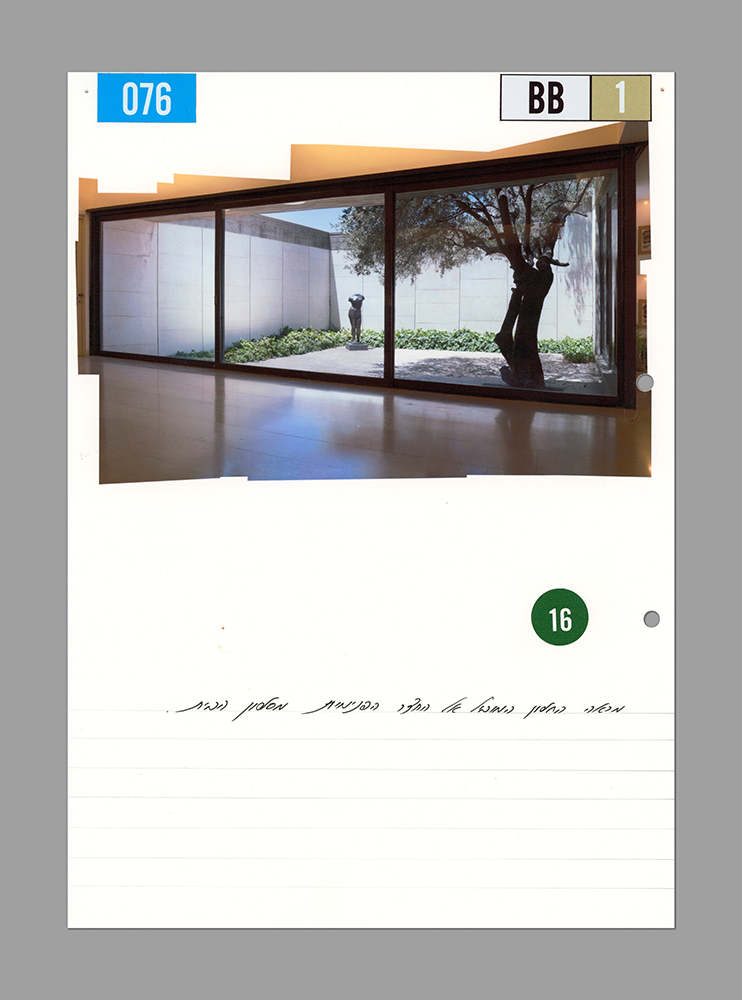
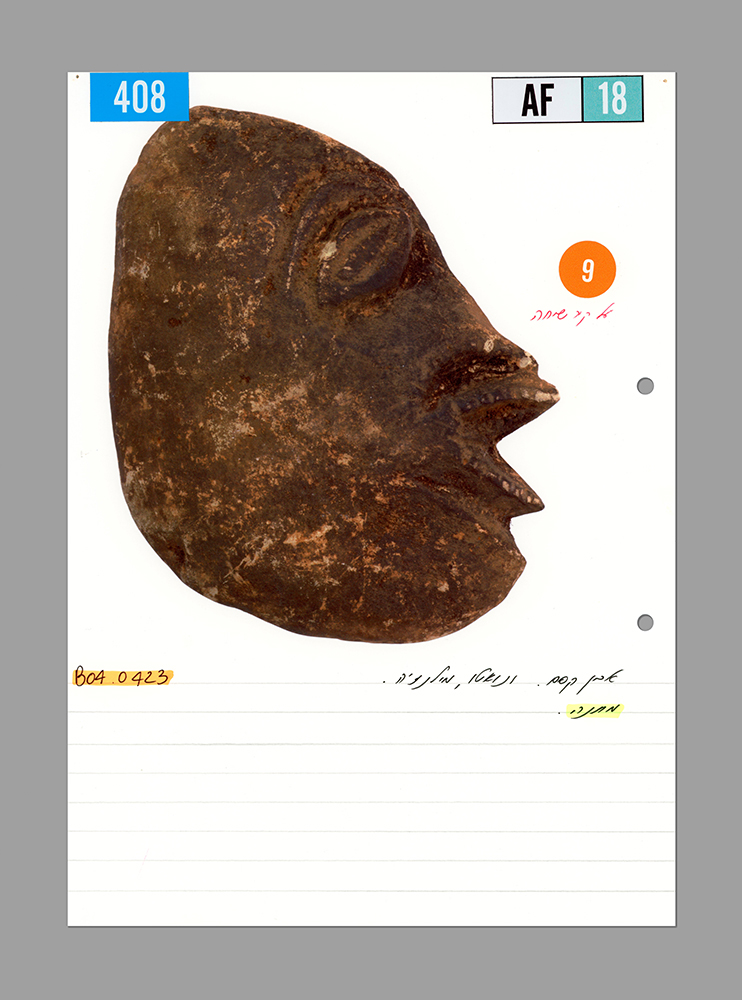
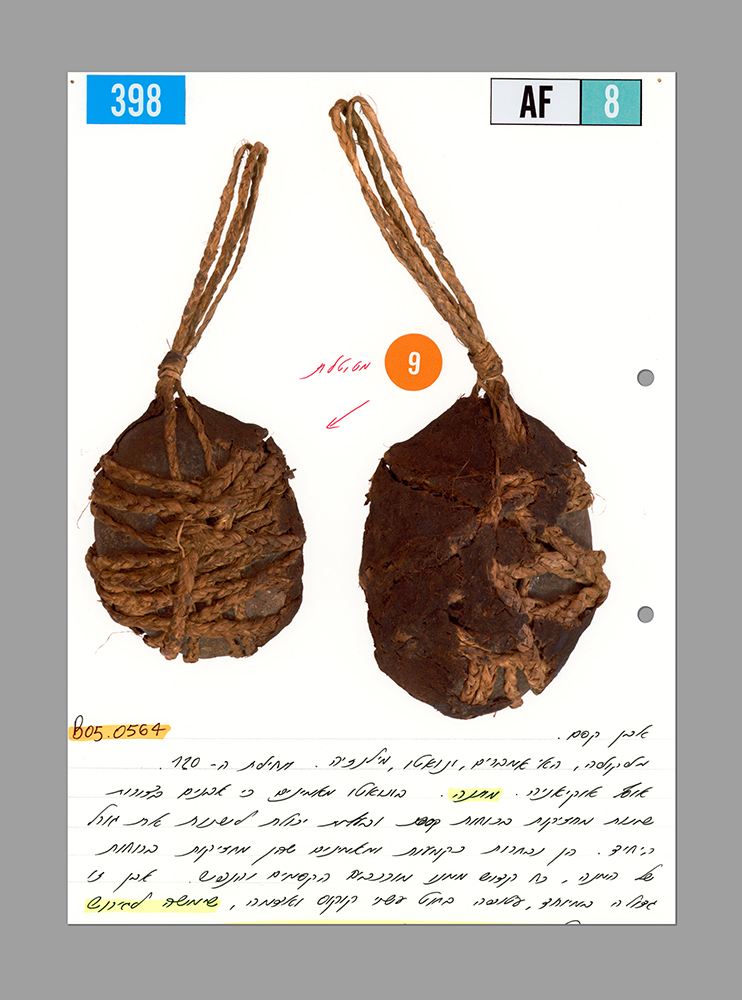
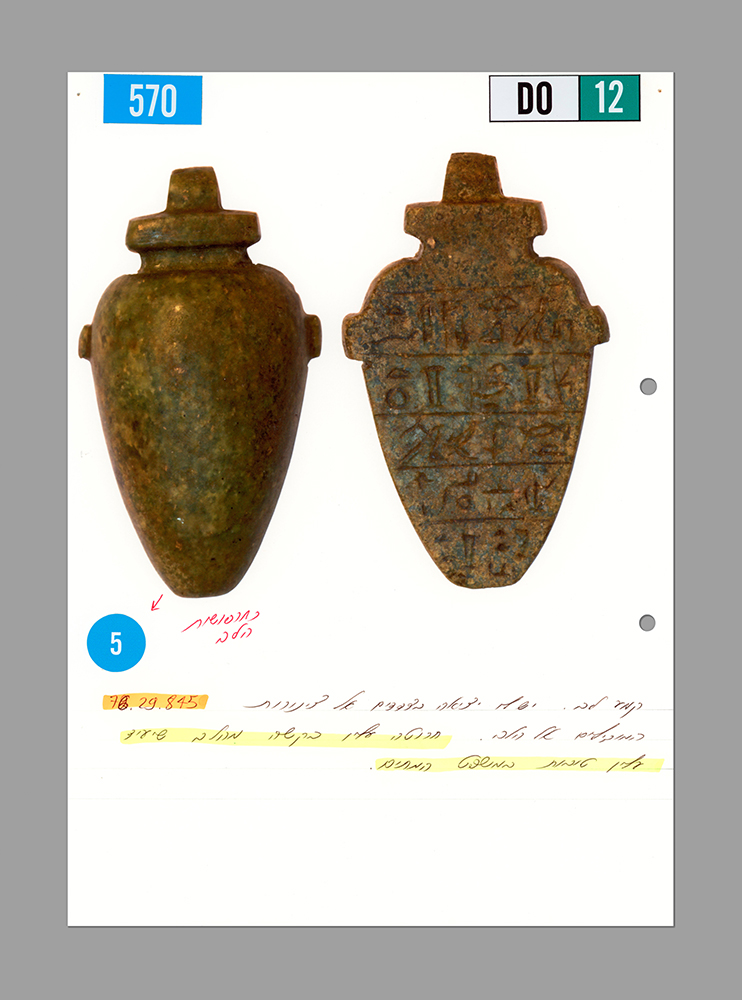
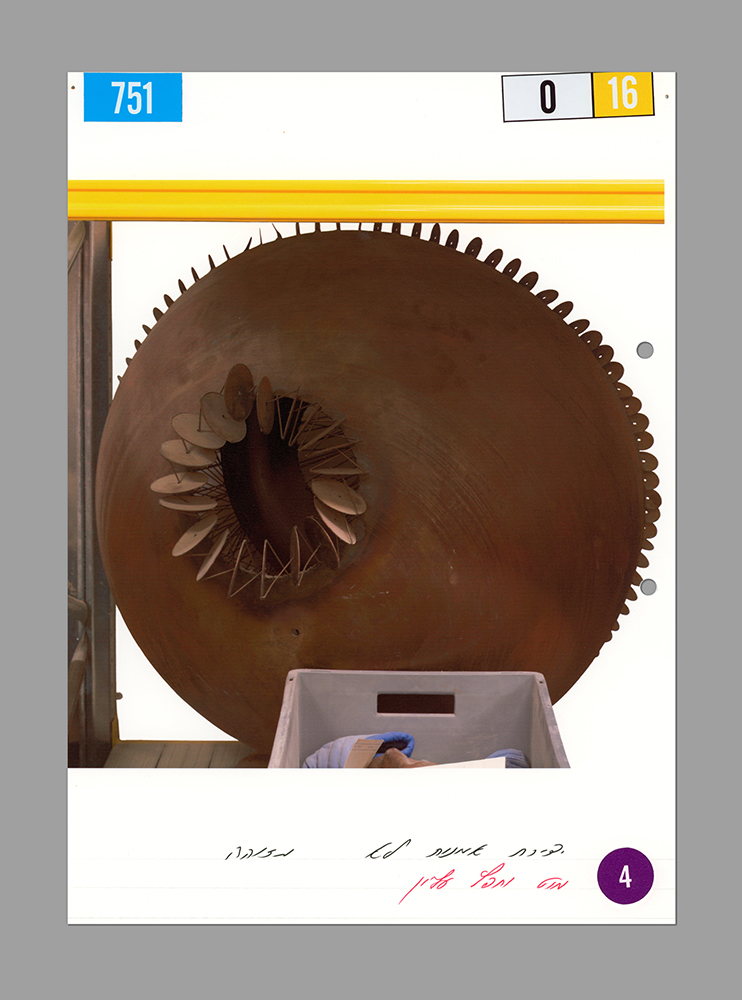
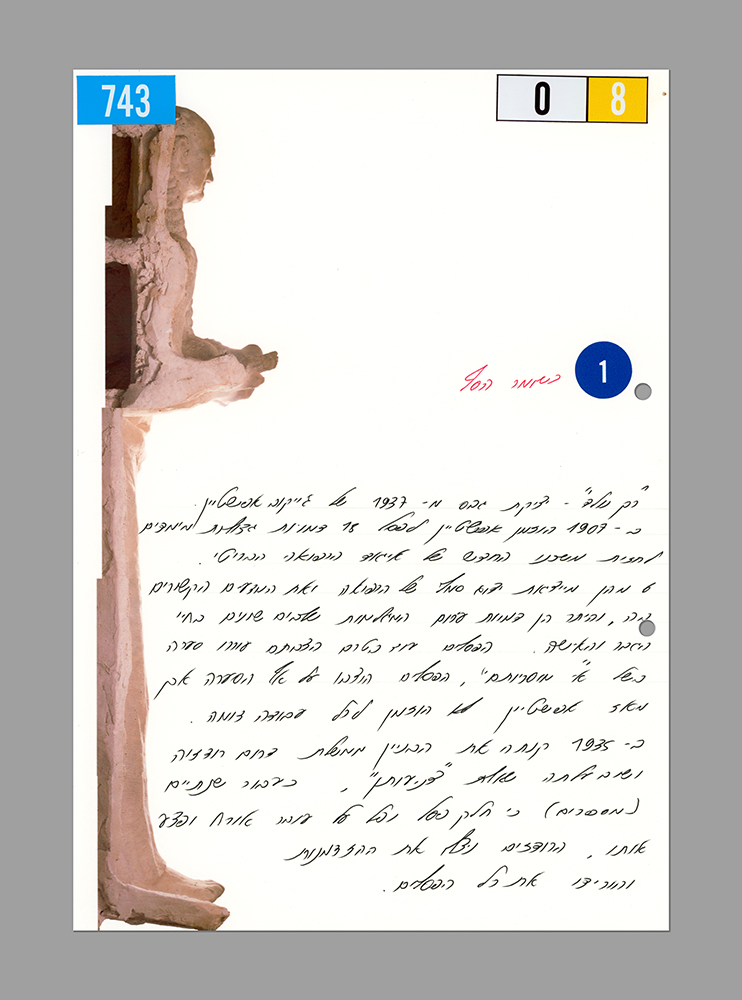
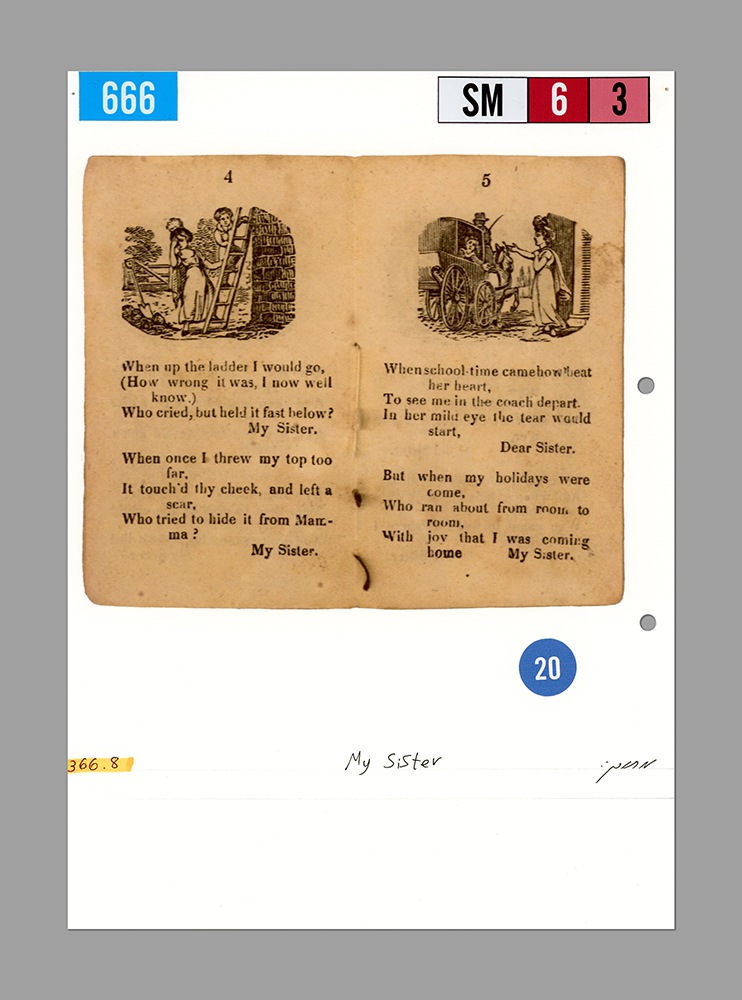
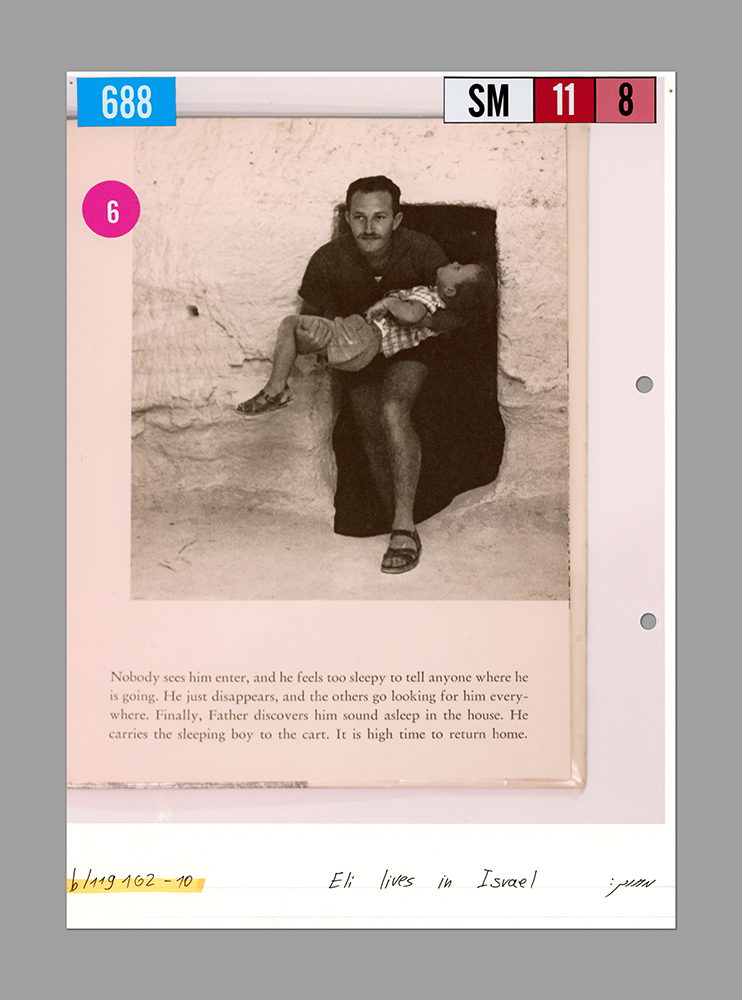
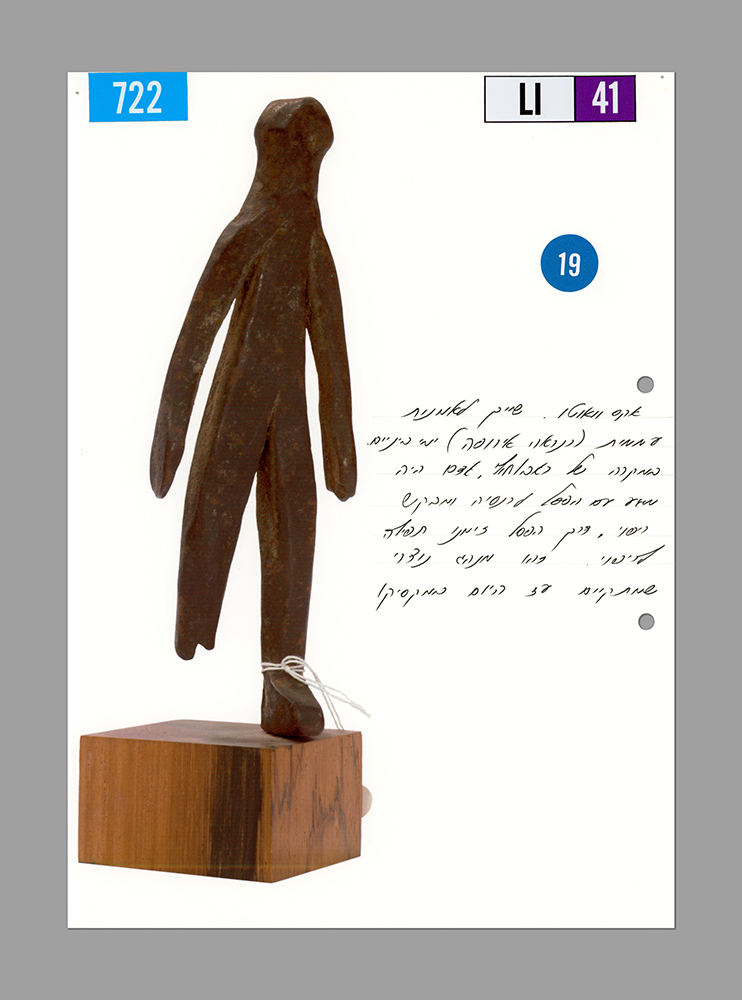
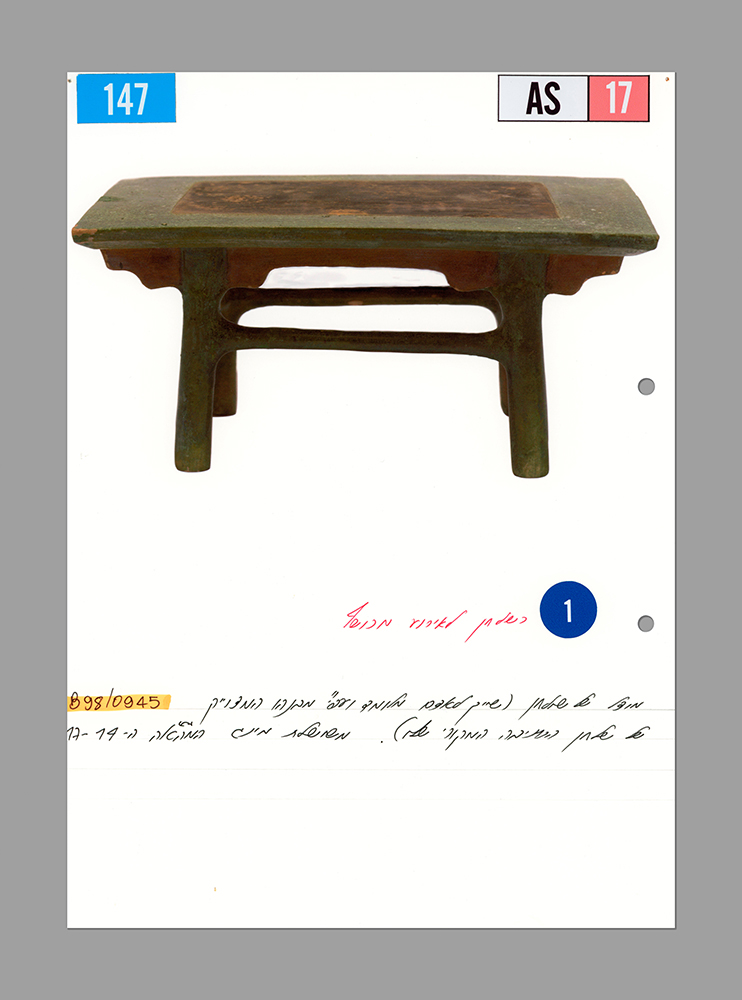
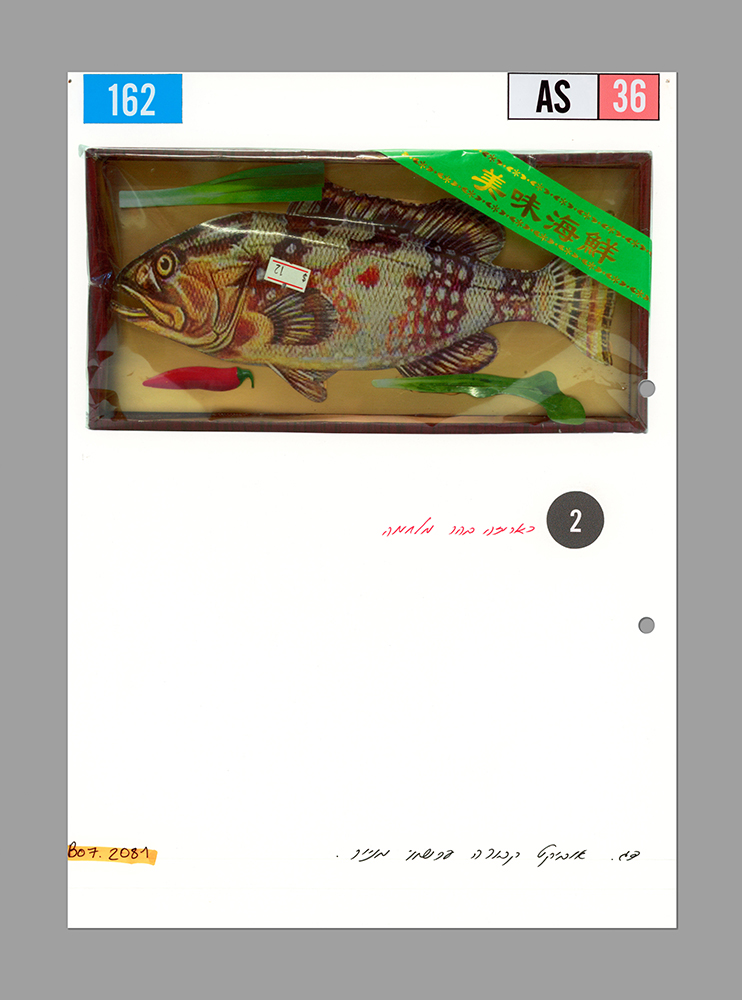
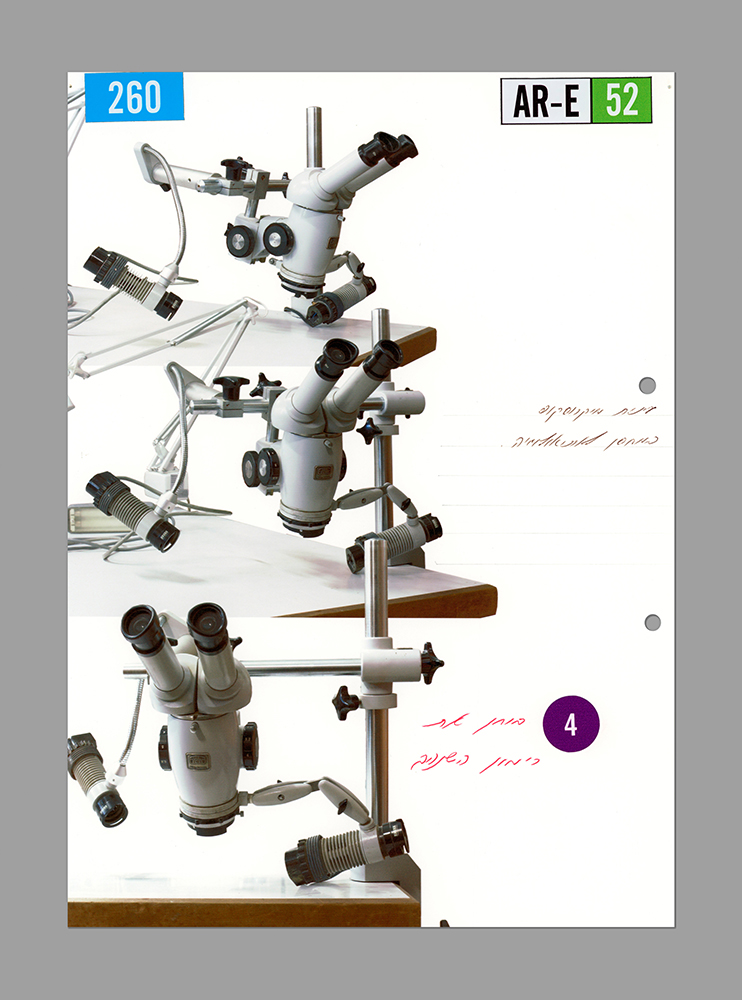
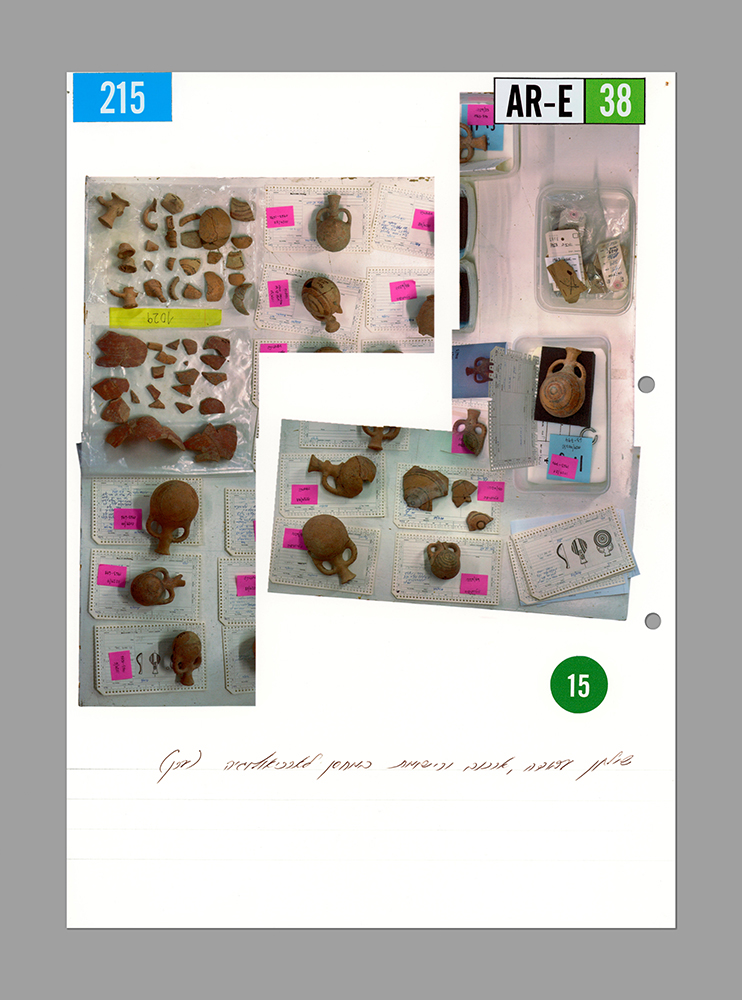
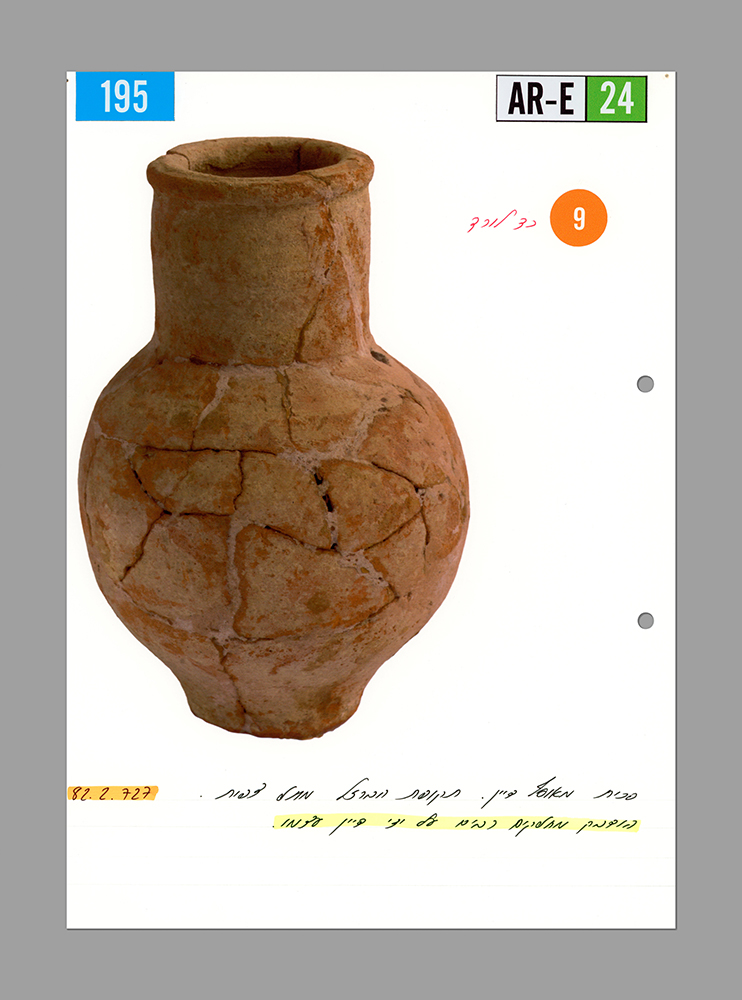
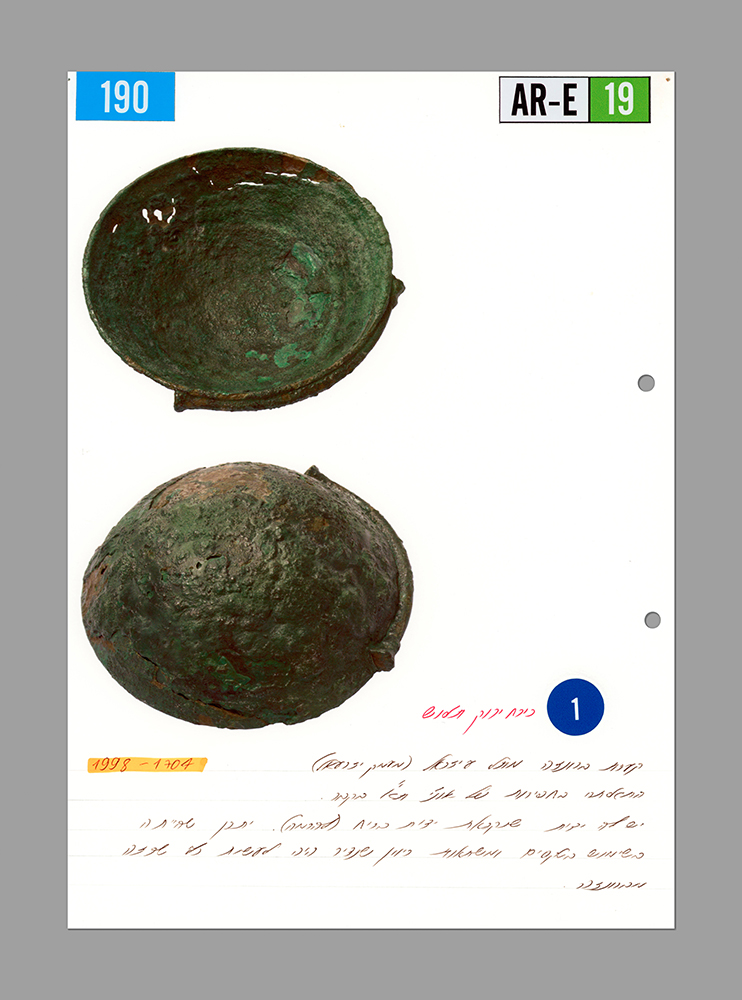
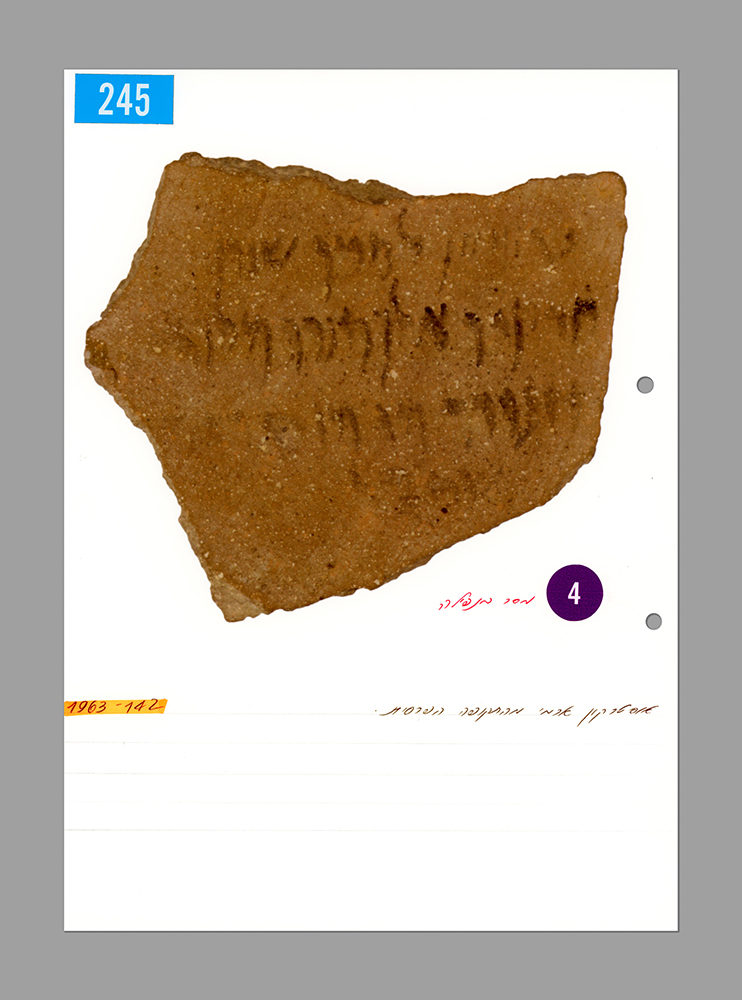
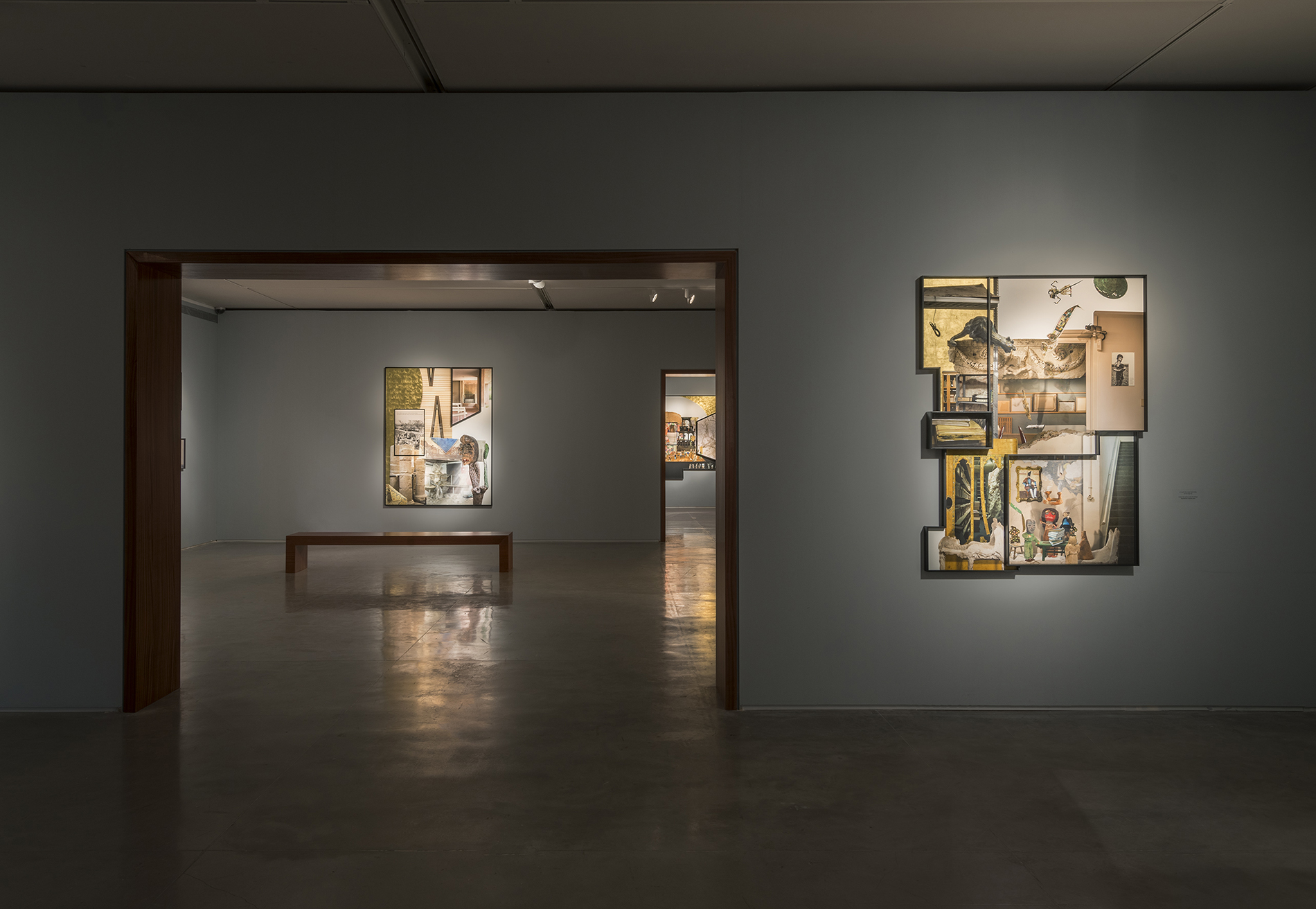
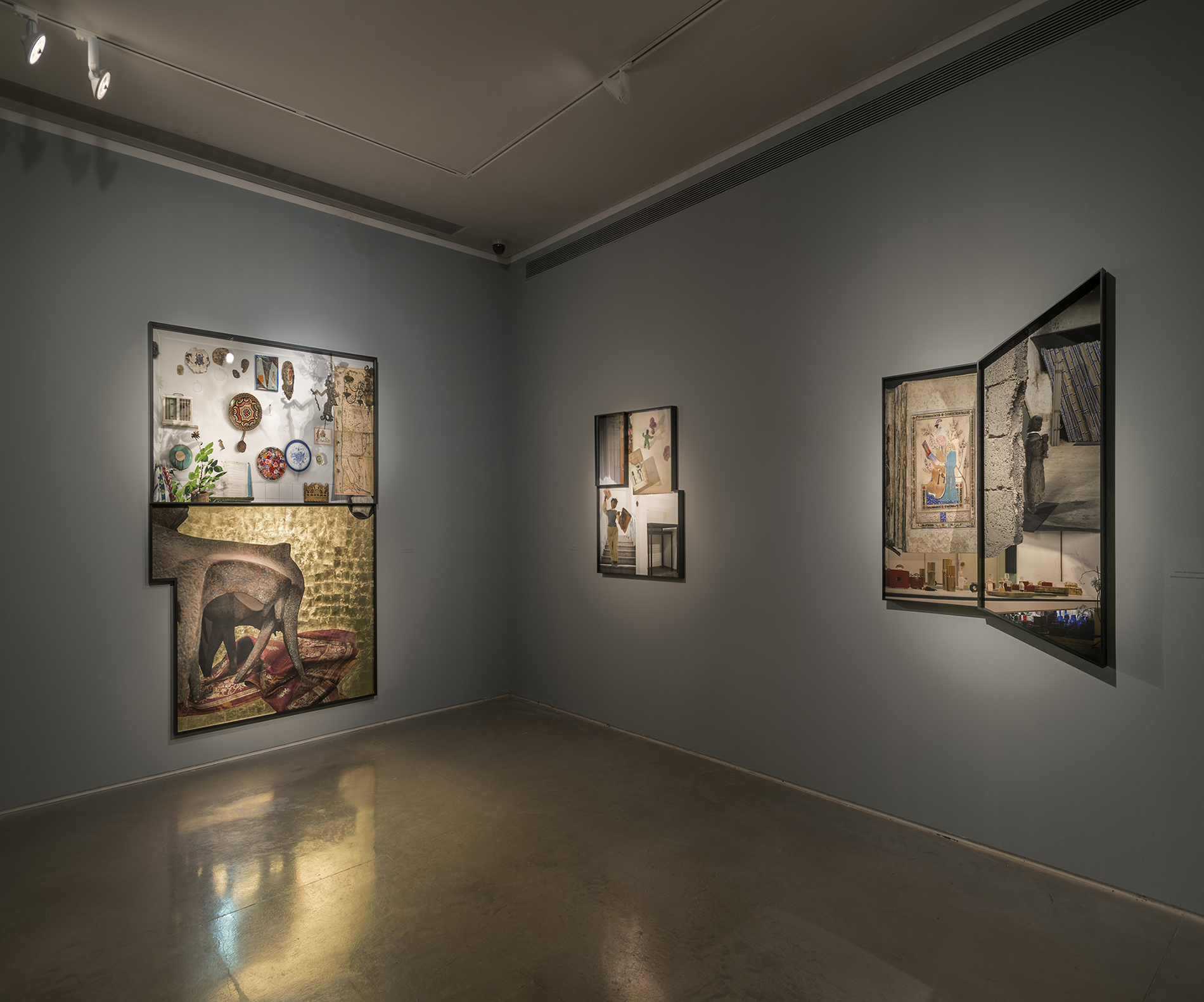
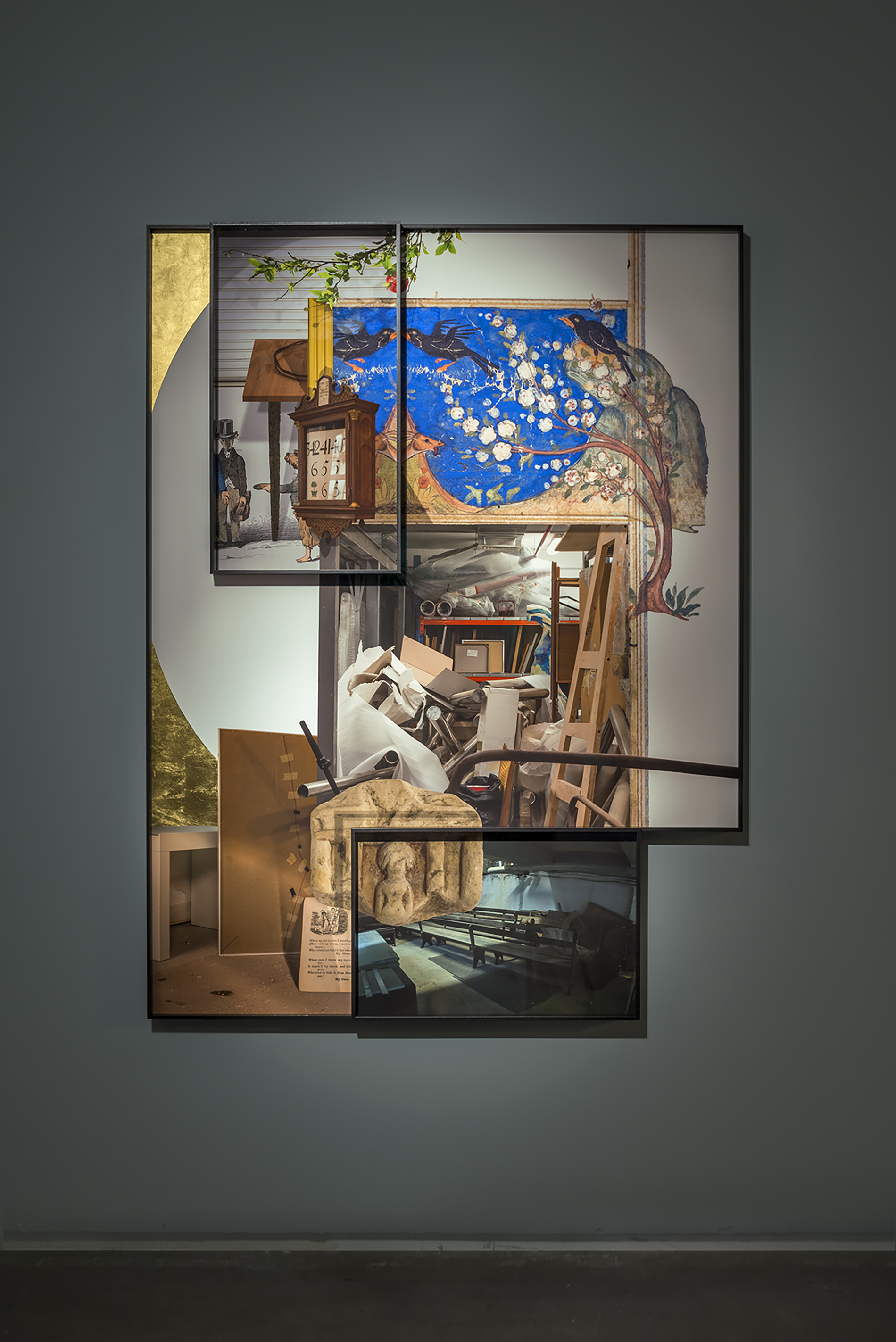
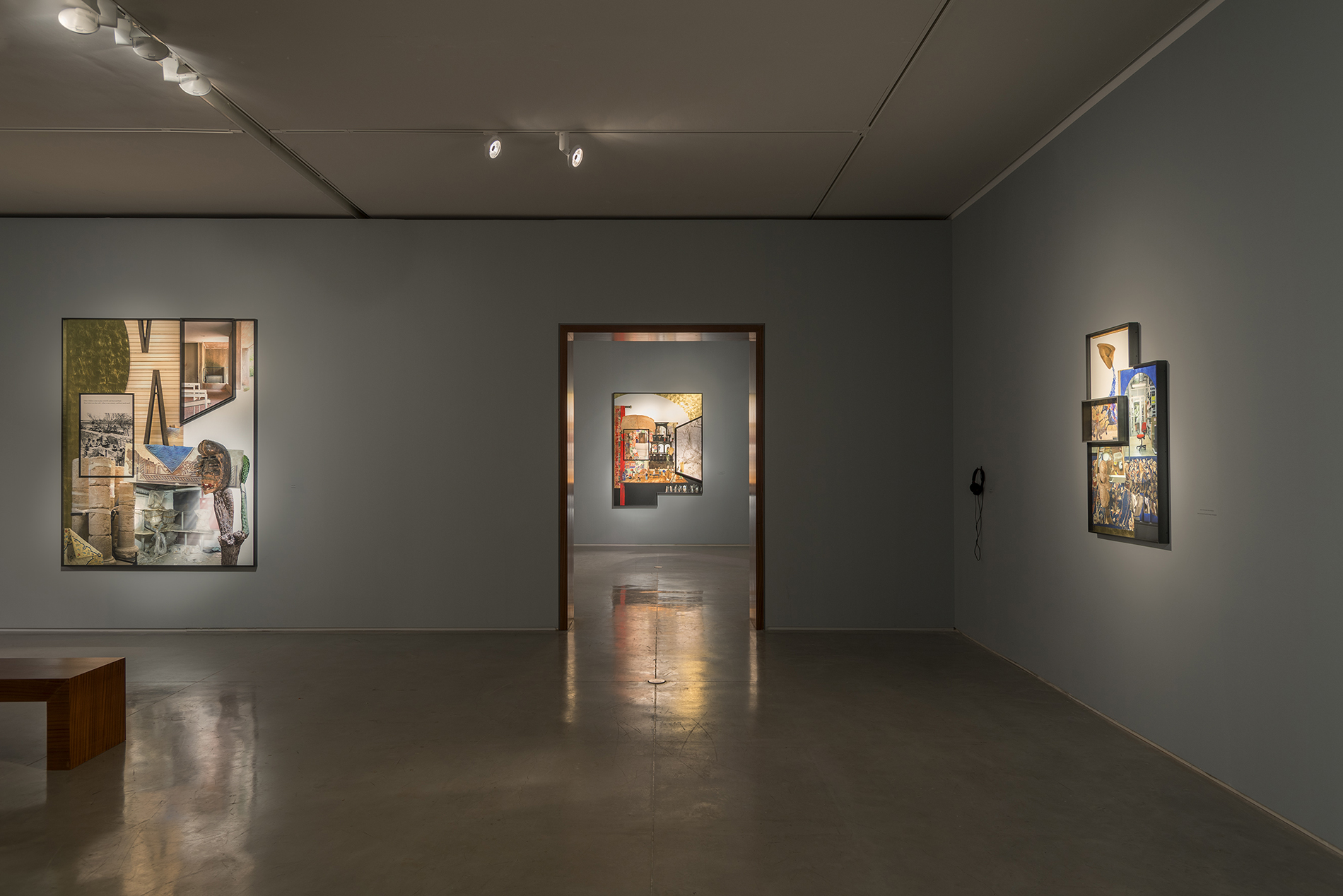
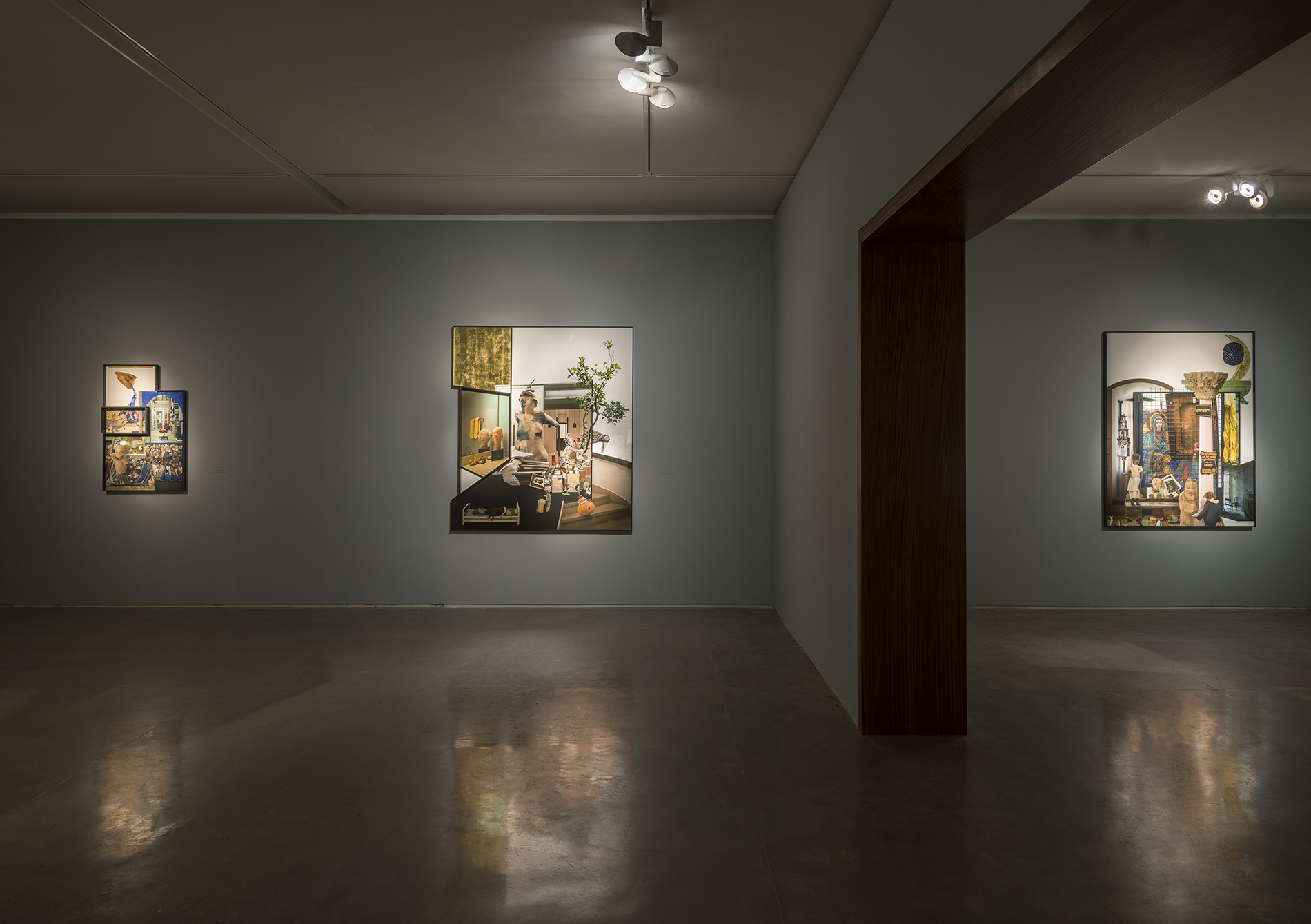
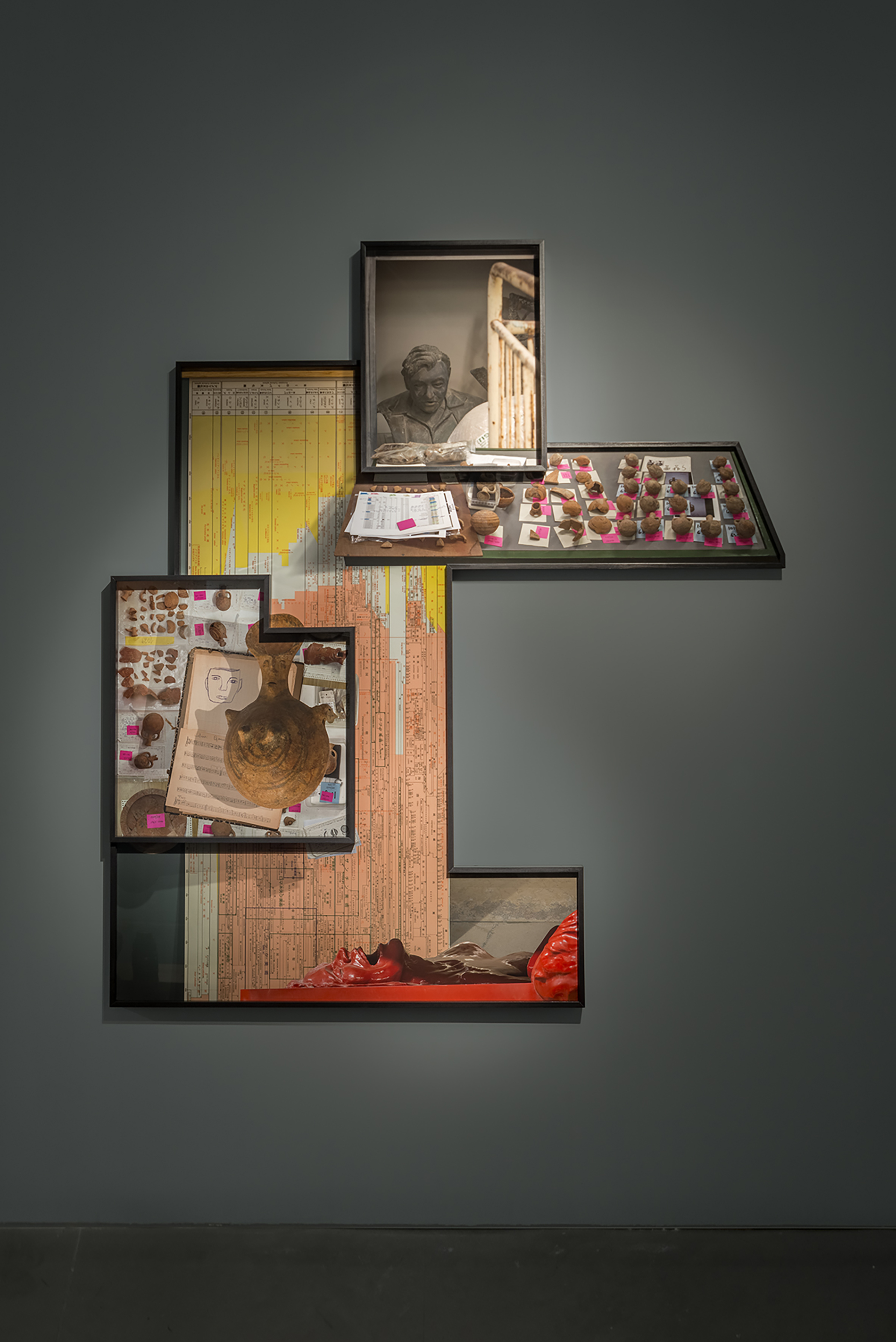
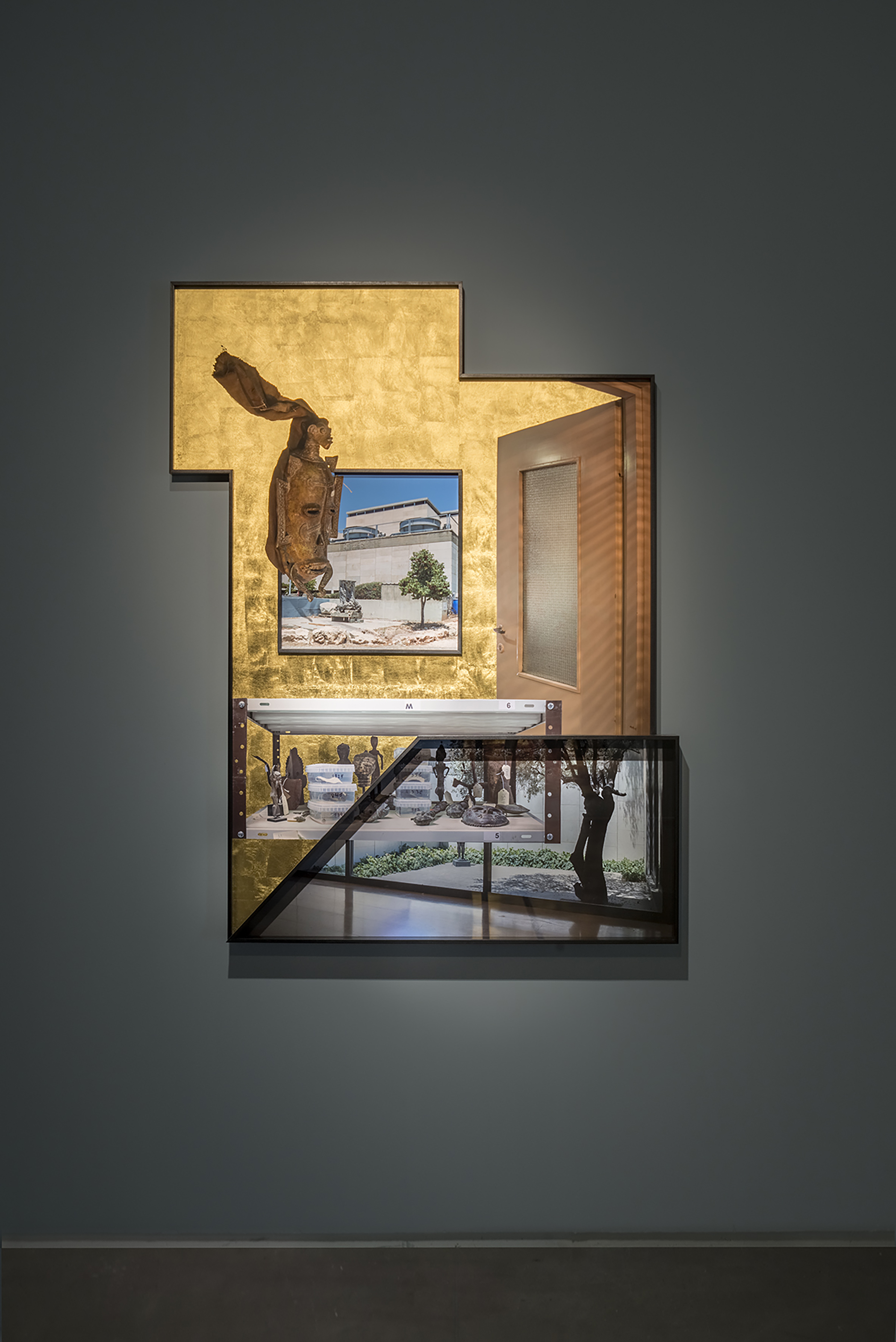
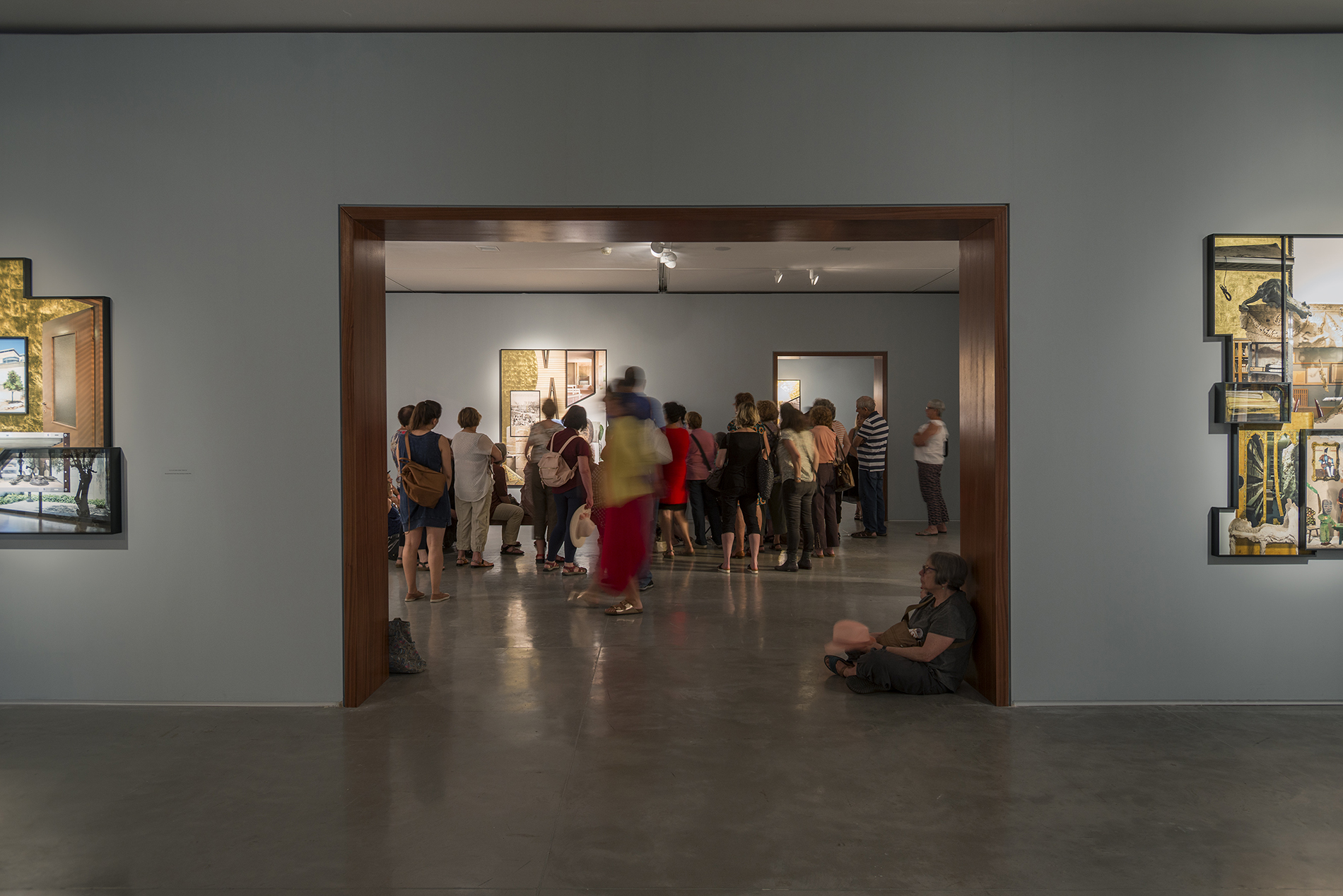
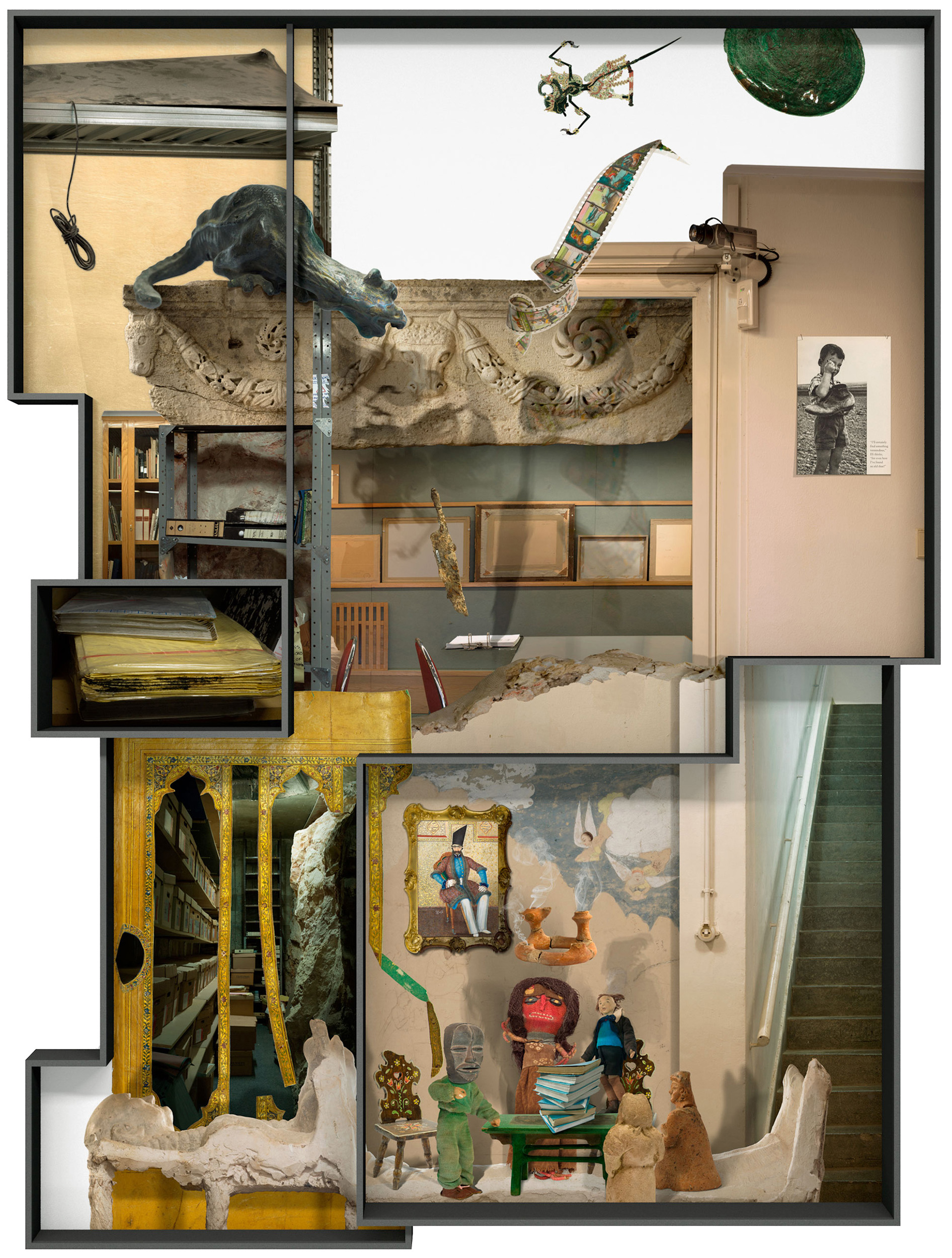
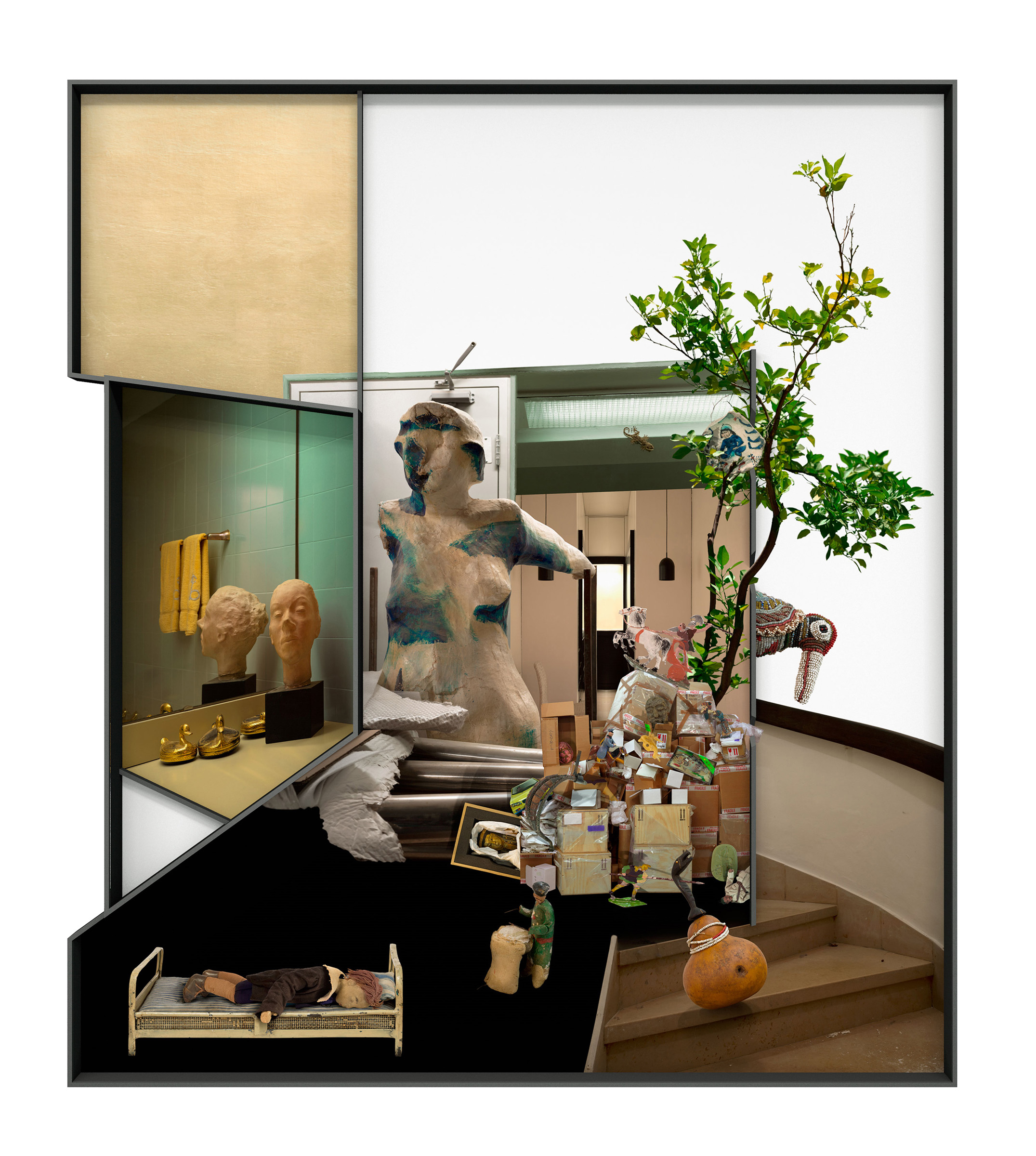
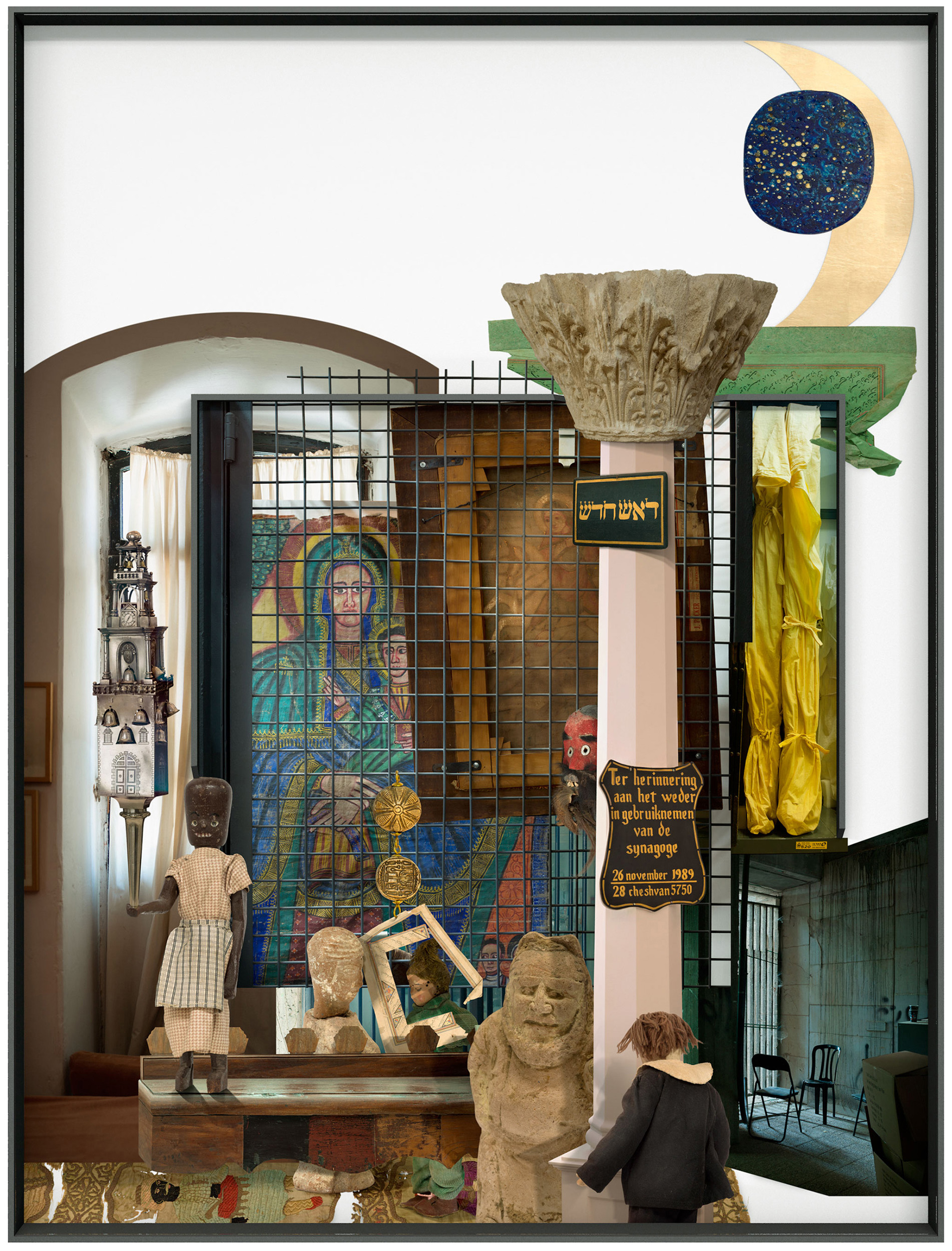
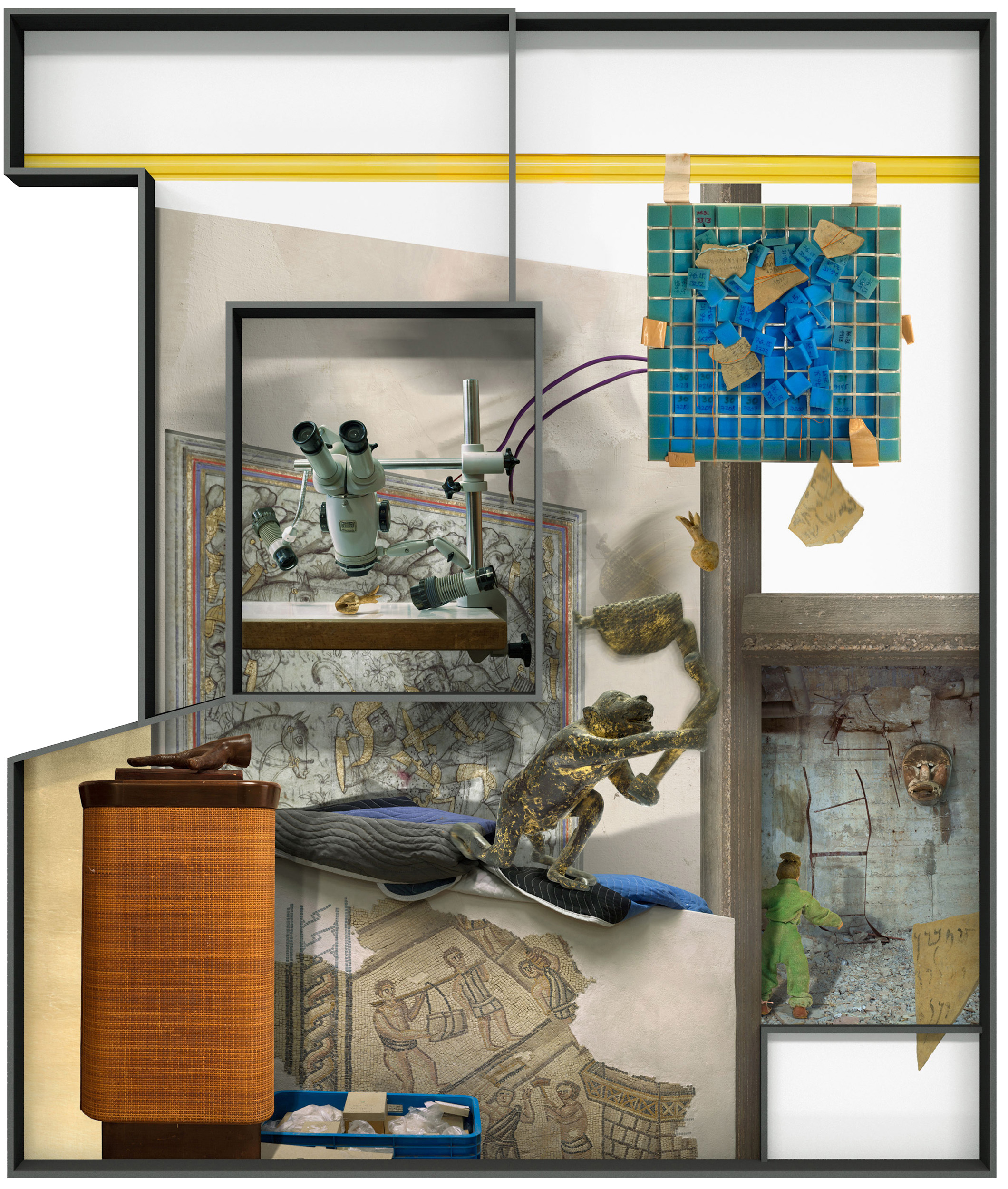
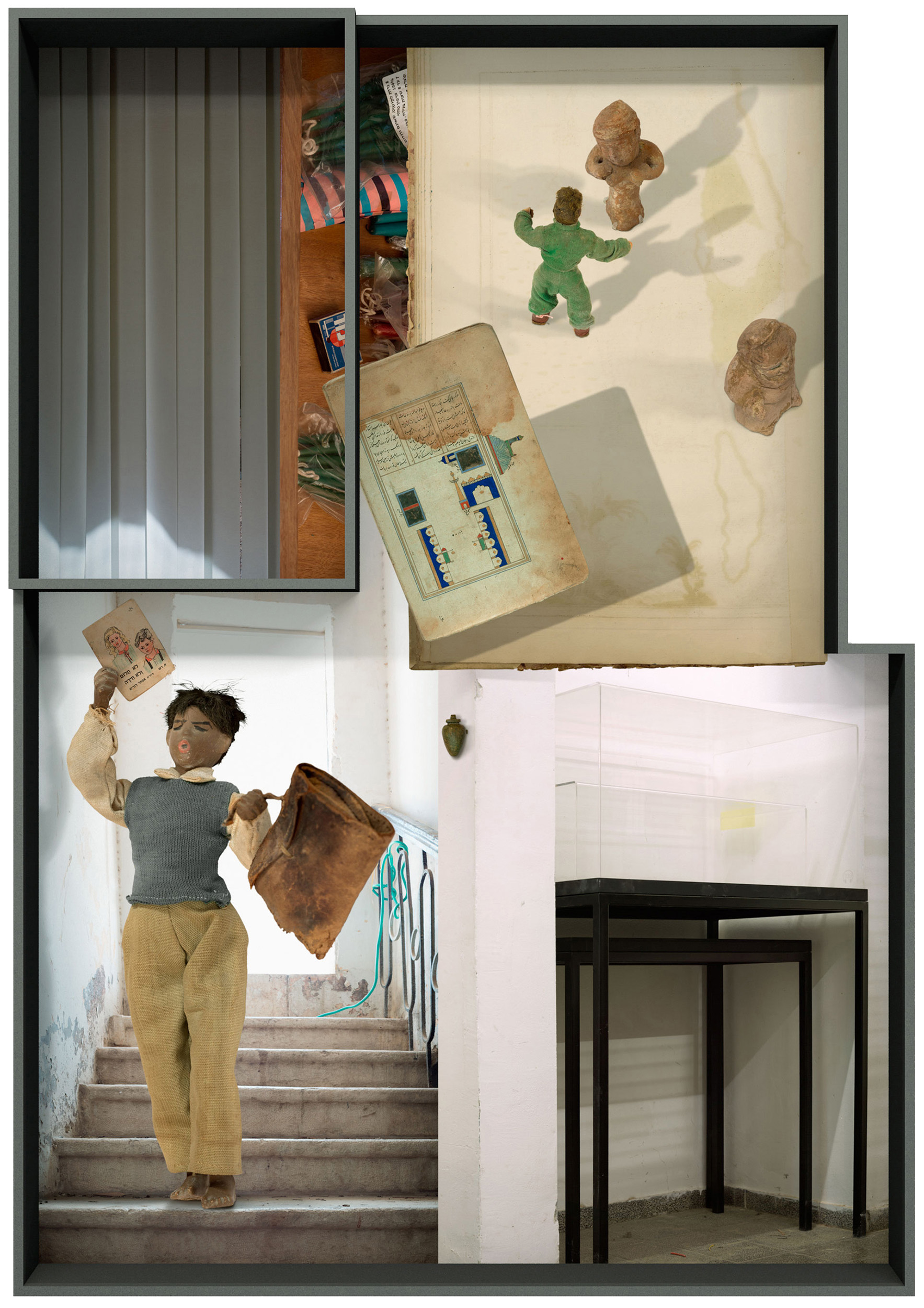
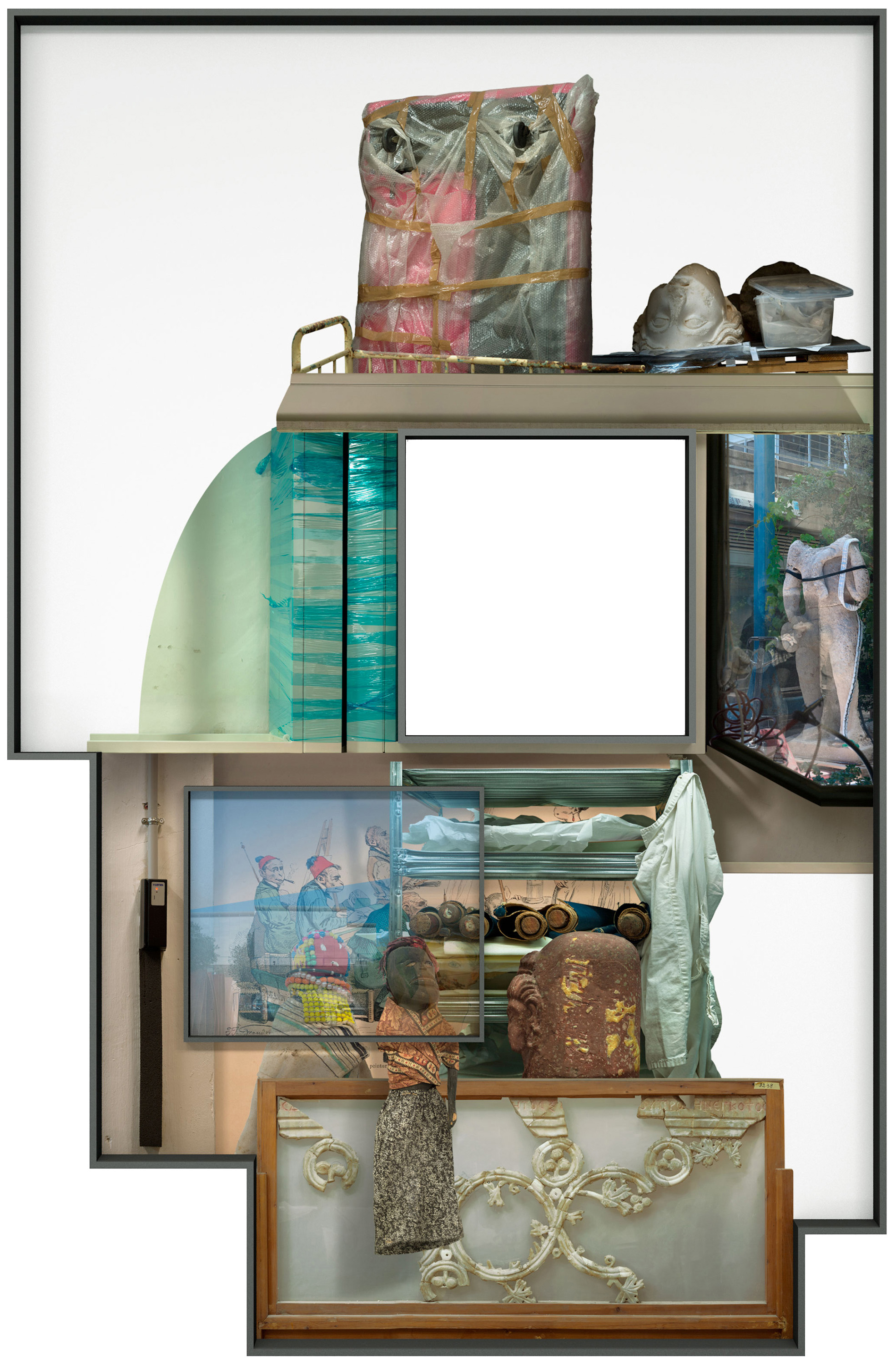
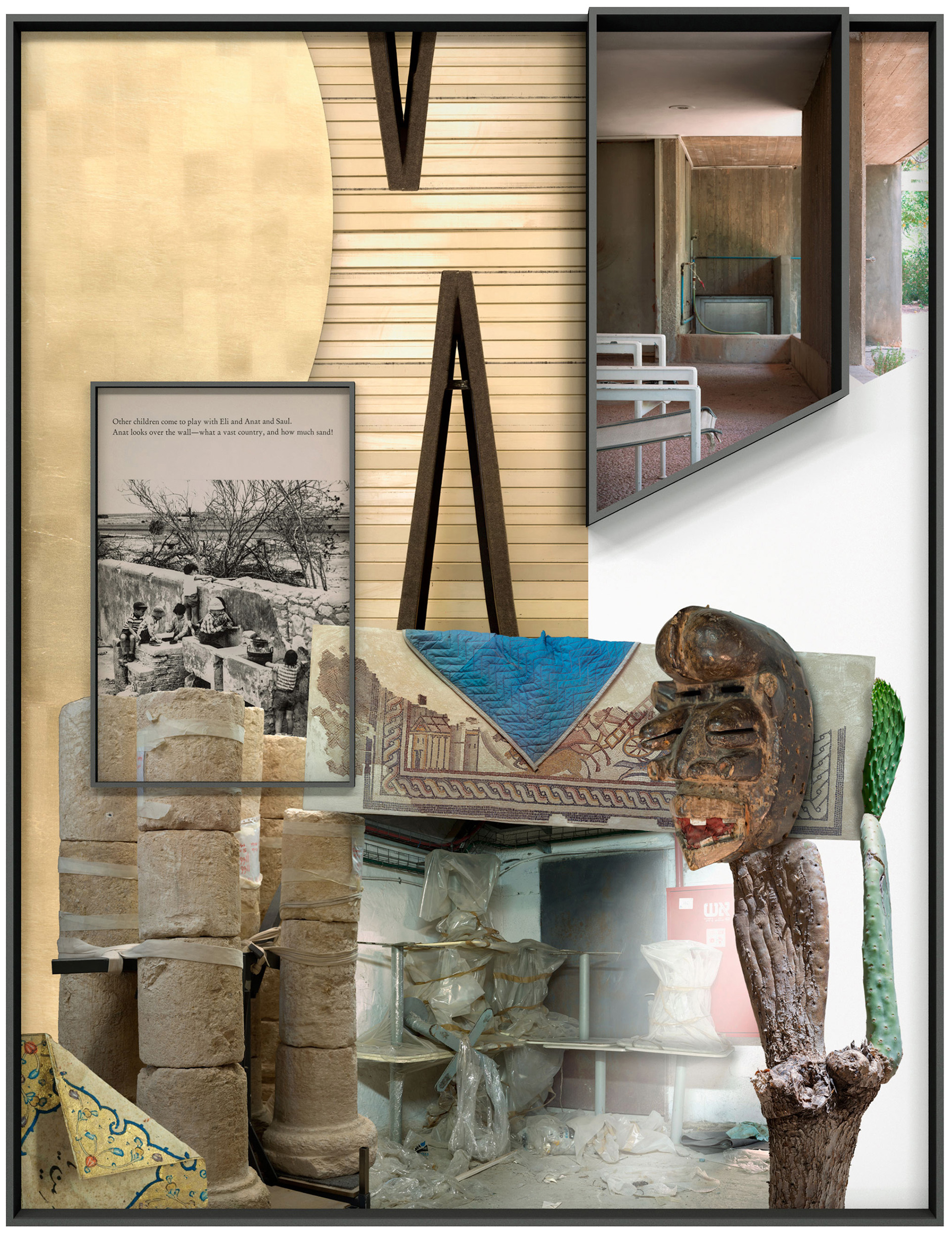
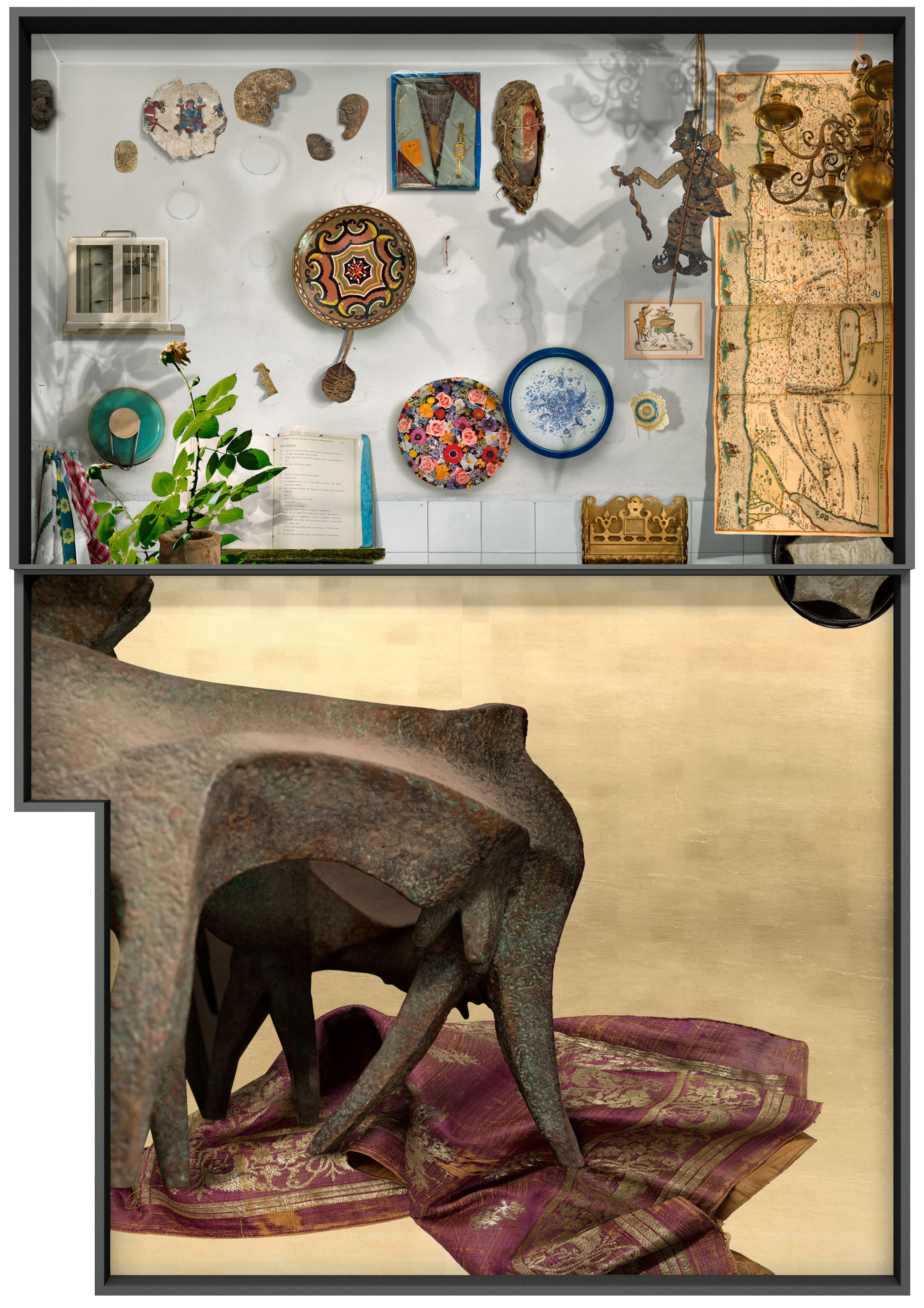
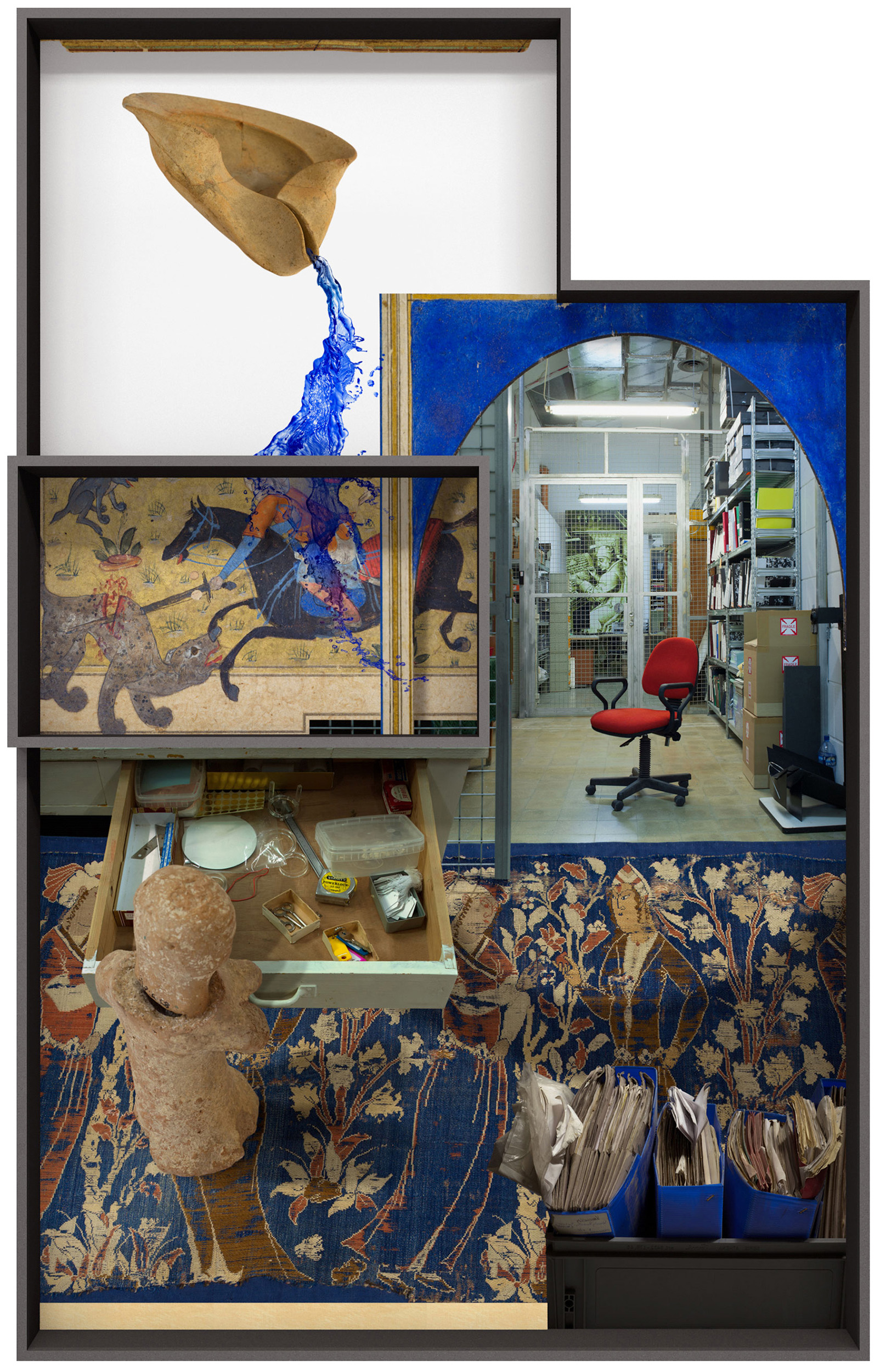
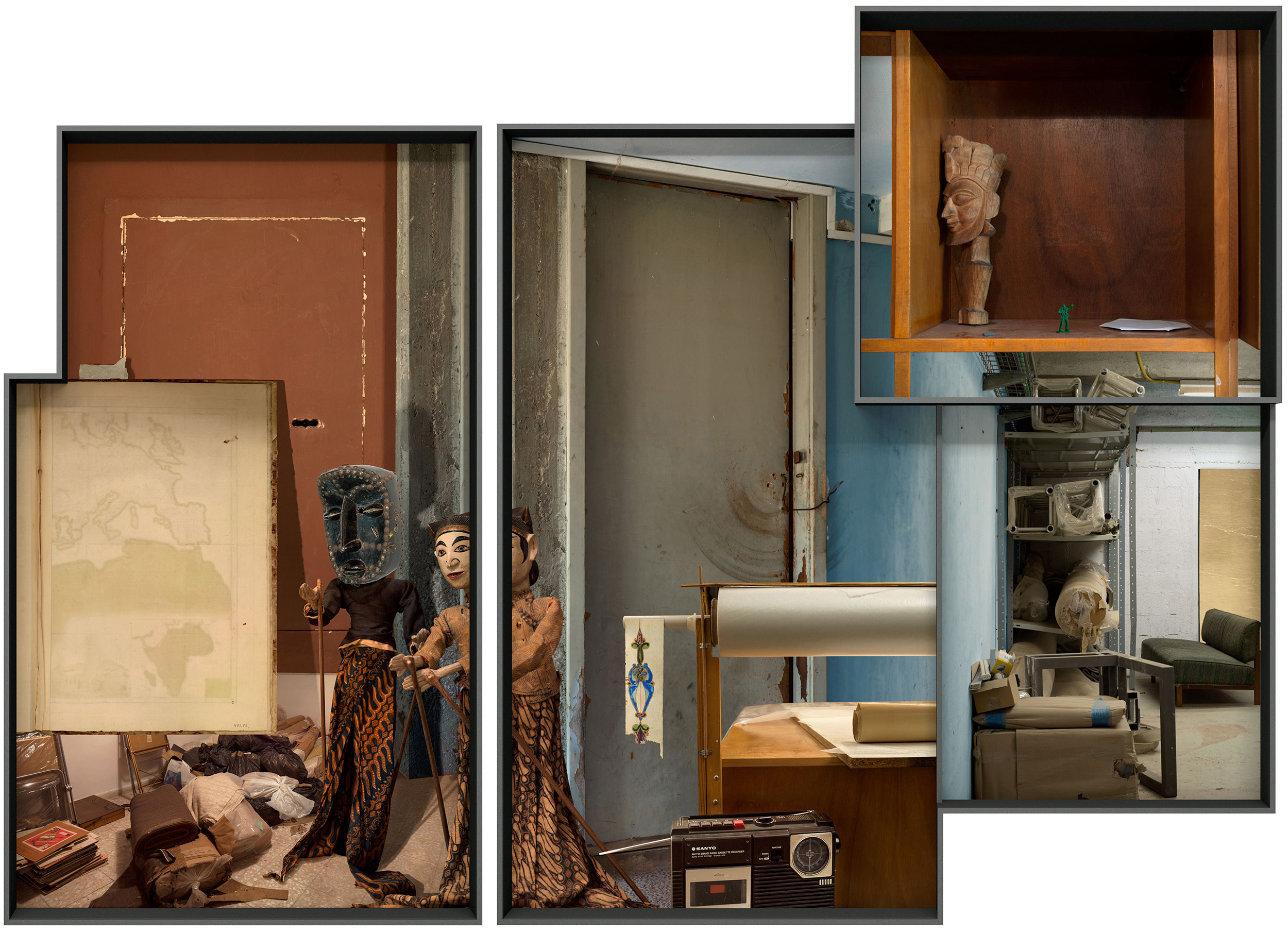
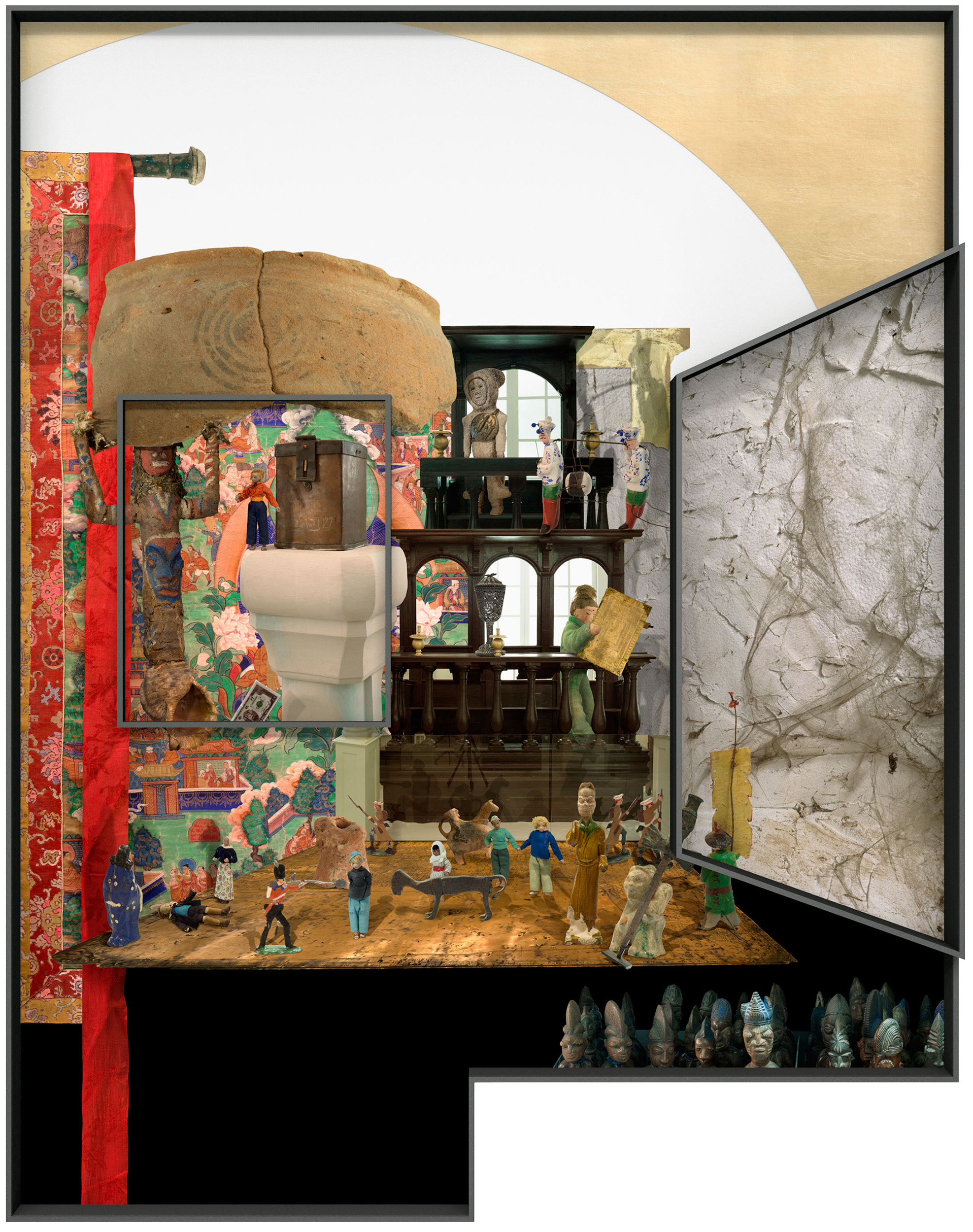
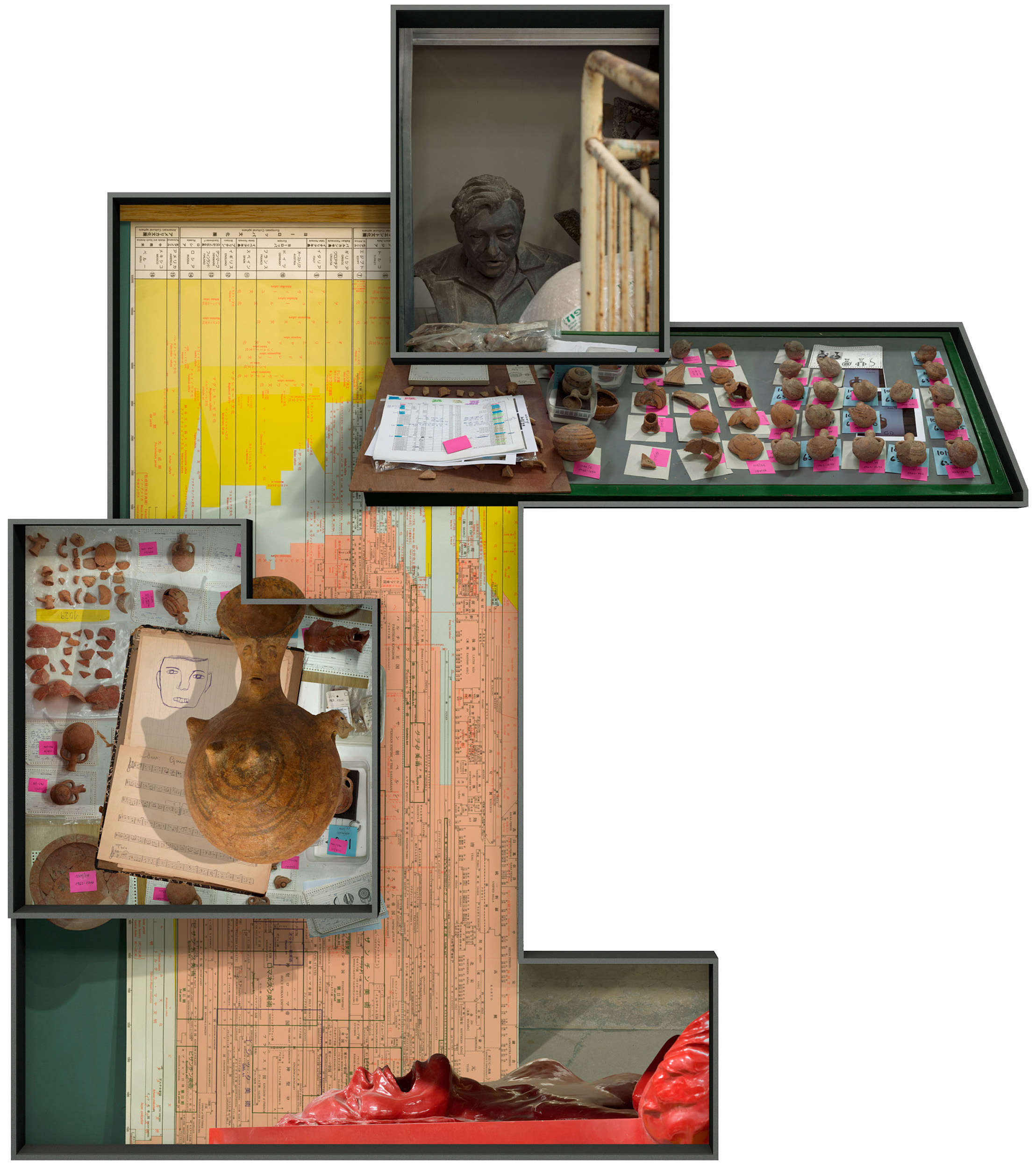
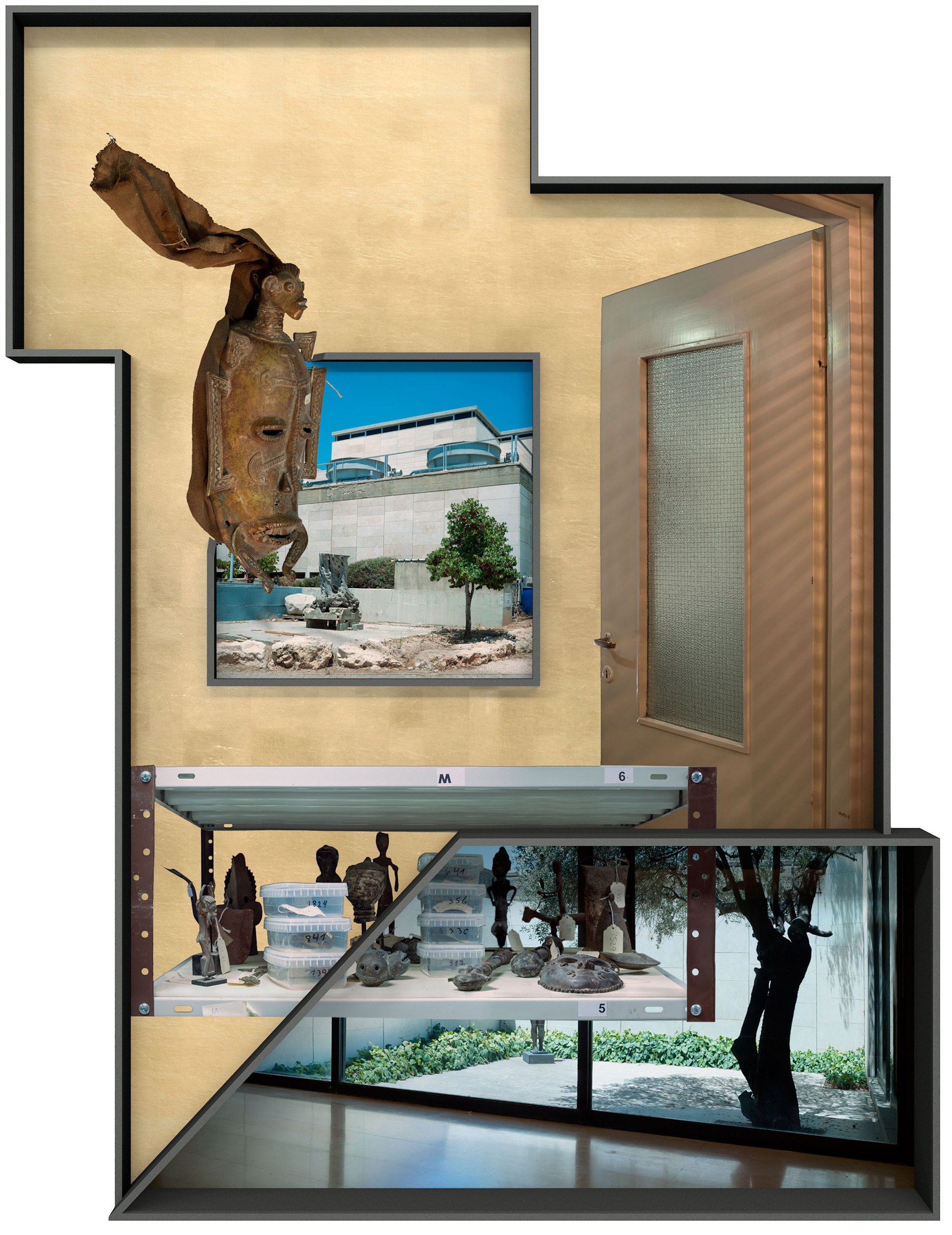
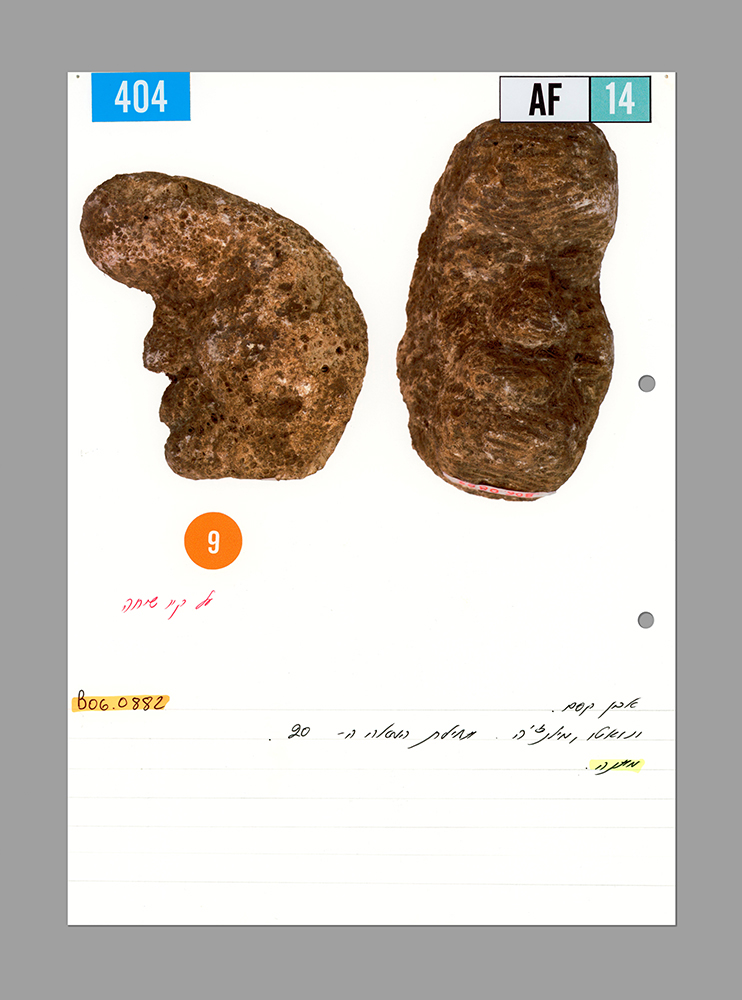
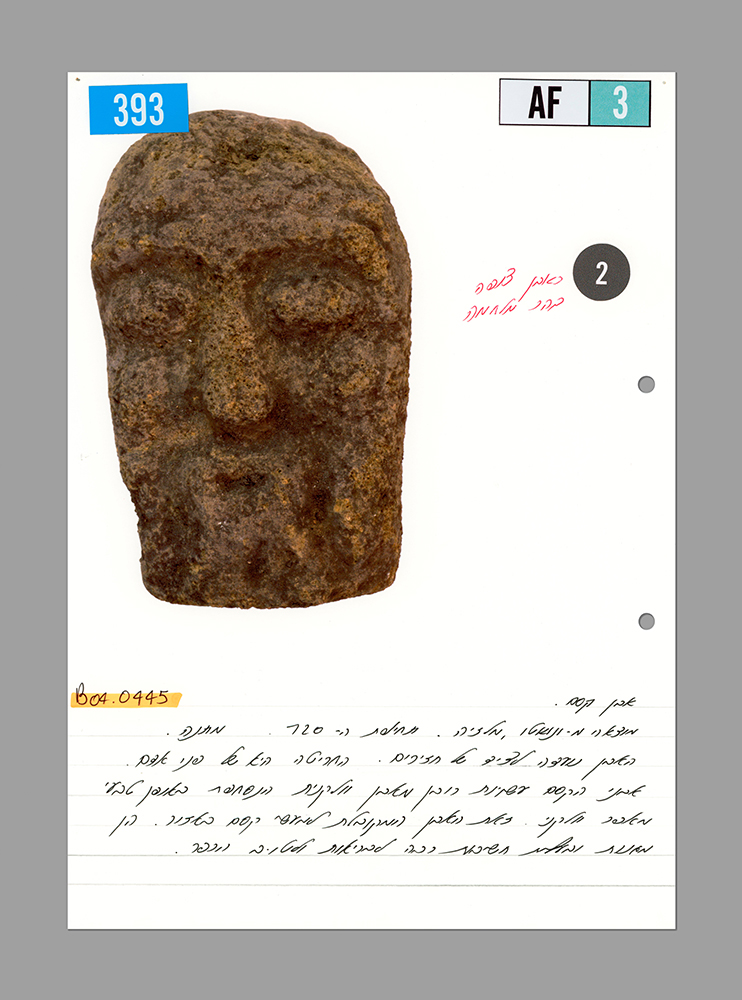
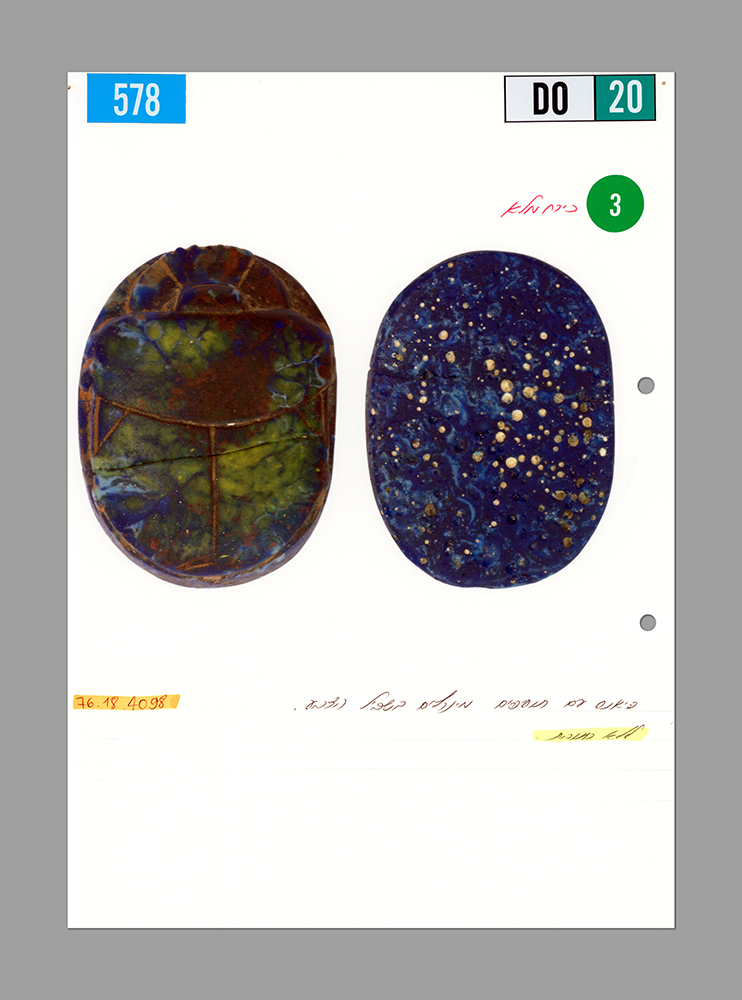
Between 2014 and 2017, Ilit Azoulay gained exclusive access to the Israel Museum’s archives and storerooms, culminating in a unique archive comprising 753 images and their stories, or fragments thereof. Sourced from the collections of the museum, No Thing Dies is a compilation of twenty photomontages in the form of vitrines through which Azoulay unearths the history and legacy of countless artefacts that were neither publicly displayed nor given proper attention, due to their origin, role, or relevance under dominating cultural and historical narratives.

Azoulay traces the journeys of the artefacts represented in each work, their original purpose, and the challenges of economic and political nature pertaining to their preservation and display, alongside the instrumental role of a museum in the formation of a cultural landscape.

The project confronts existing international modes of accountability, visibility, and presentation of history, raising awareness as to how and by whom they are navigated.
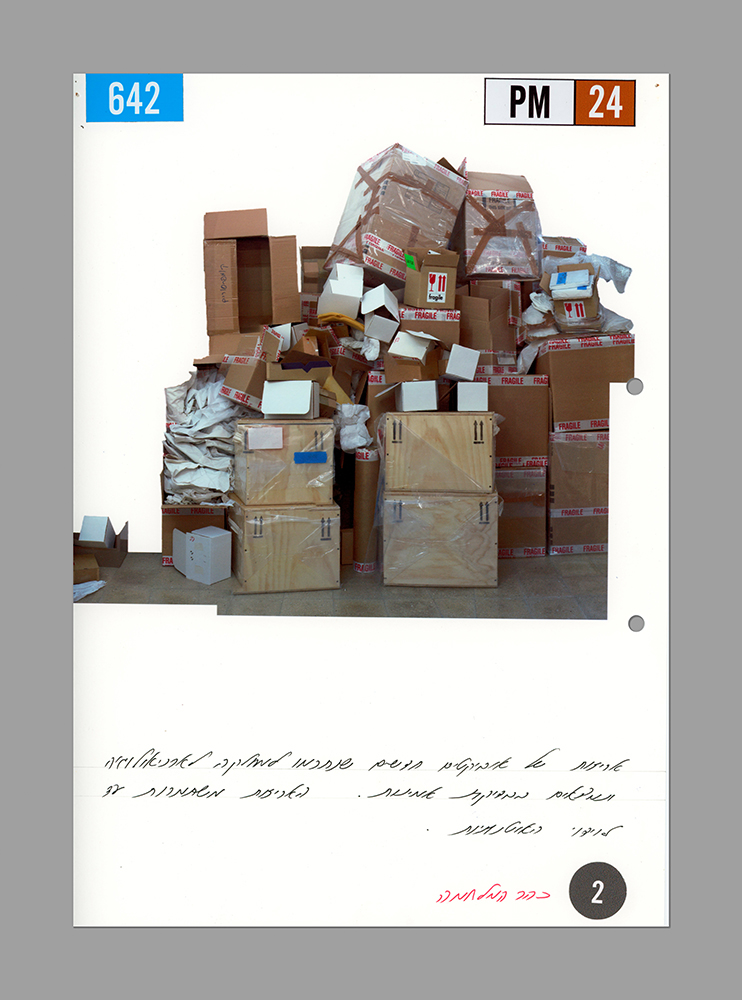
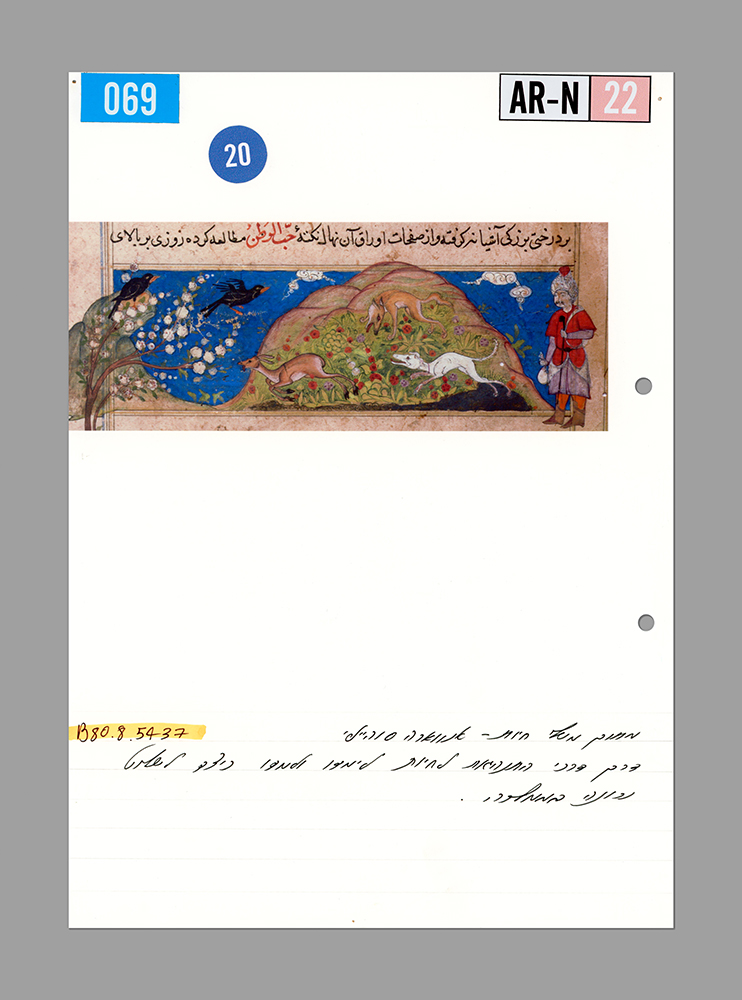
Featured in Work No. 2 as "A Battlefield Hill."                                       Newly donated objects to the department of archaeology are currently undergoing examination. The items will be securely stored until their authenticity is verified.
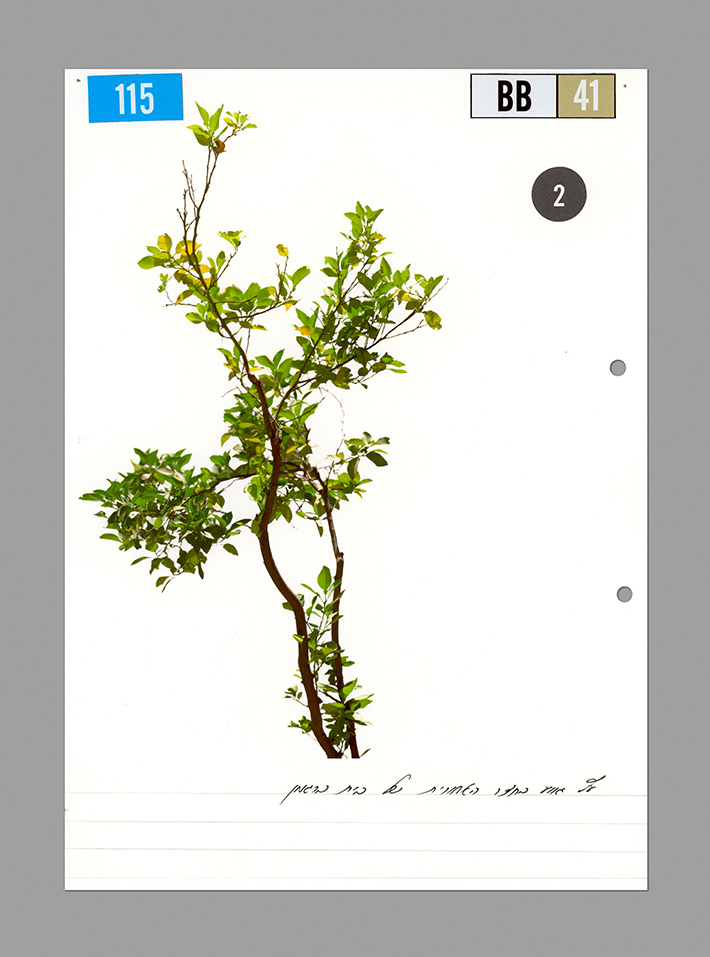
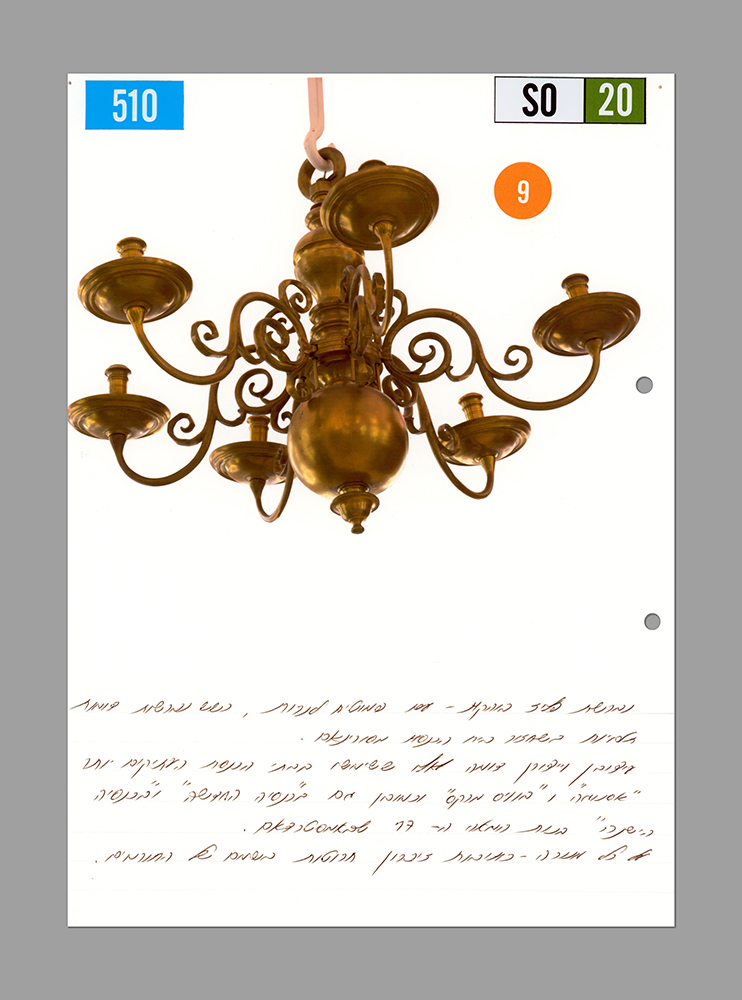
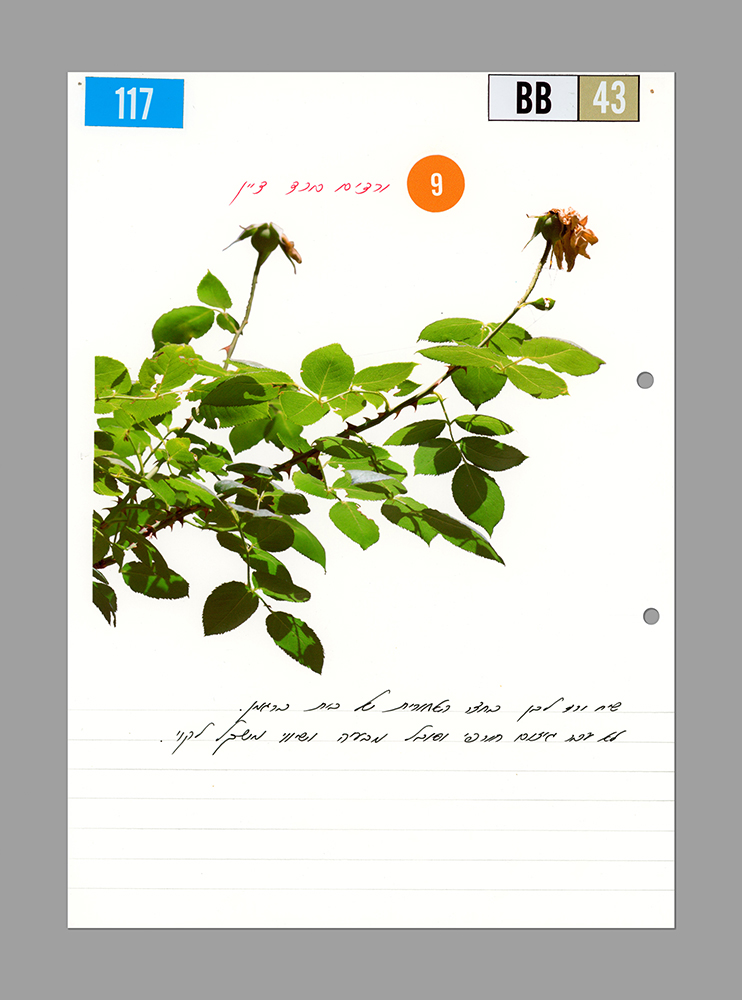
Featured in Work No. 9 as "Roses in Dayan's Archaeological Vase".                                              
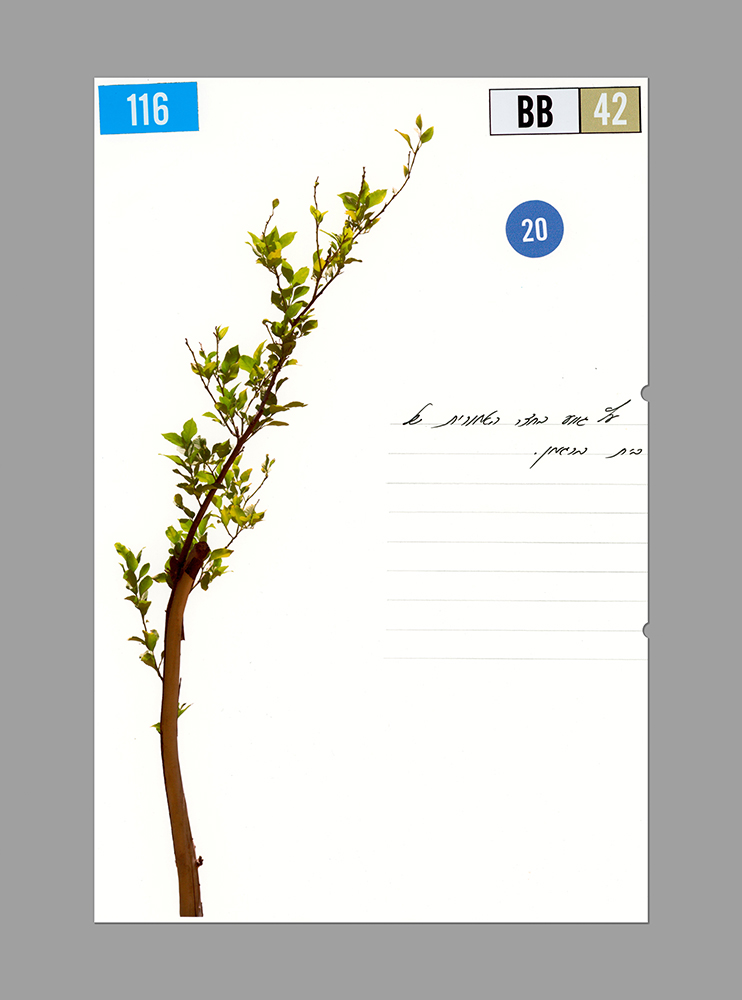
White rose bush located in the backyard of the Bergman house. It has not been pruned for winter and is experiencing issues with poor balance and health.
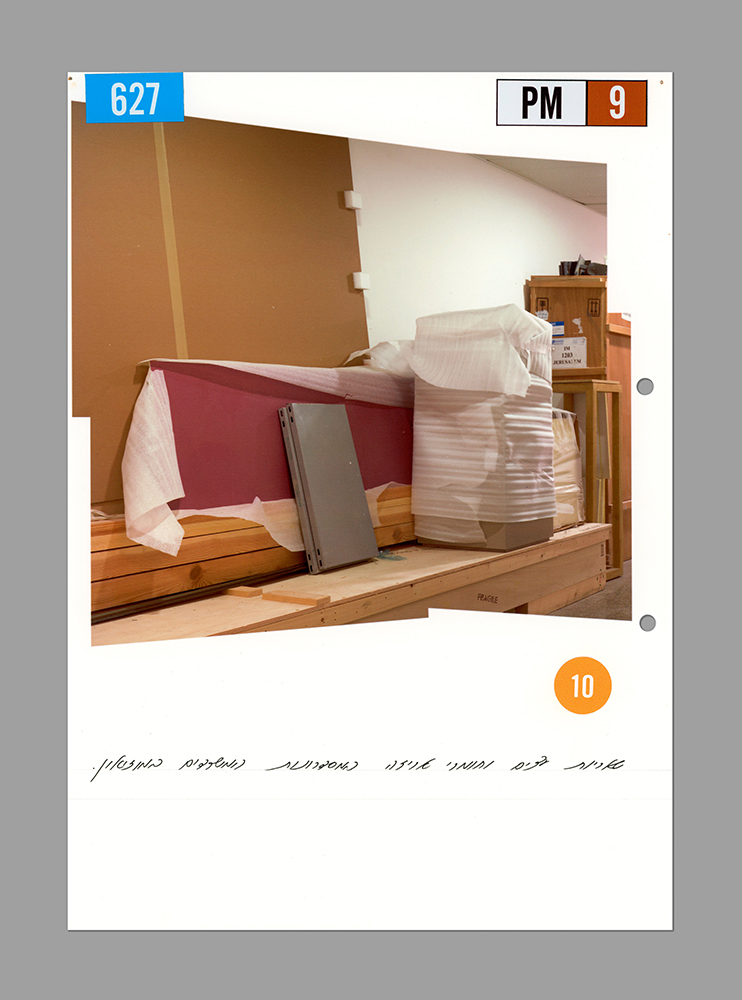
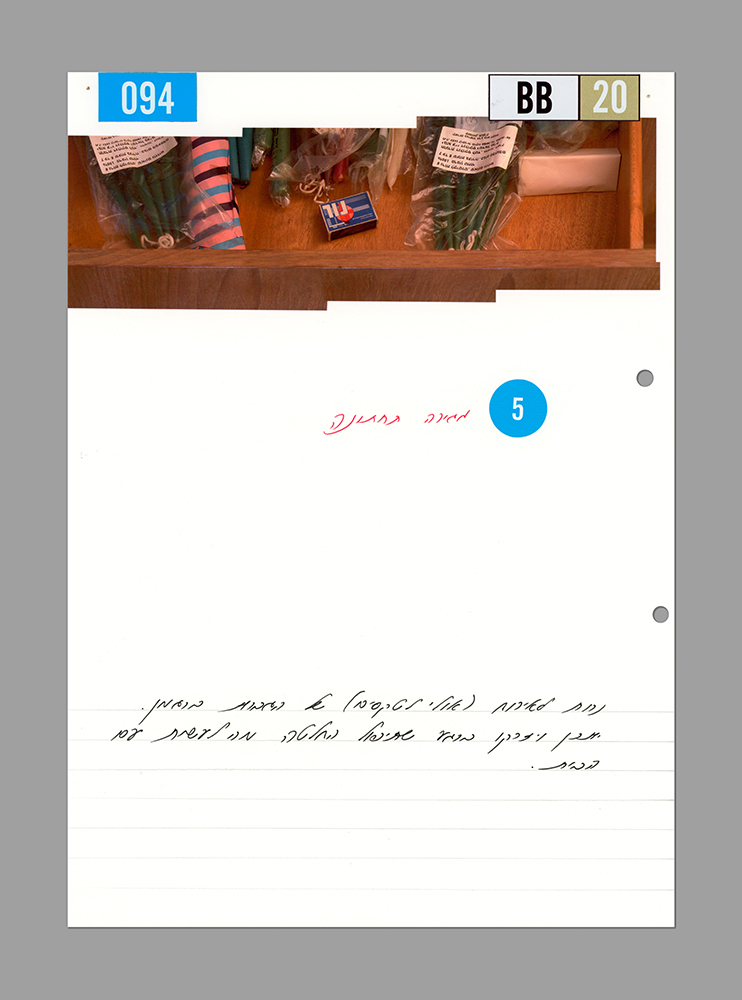
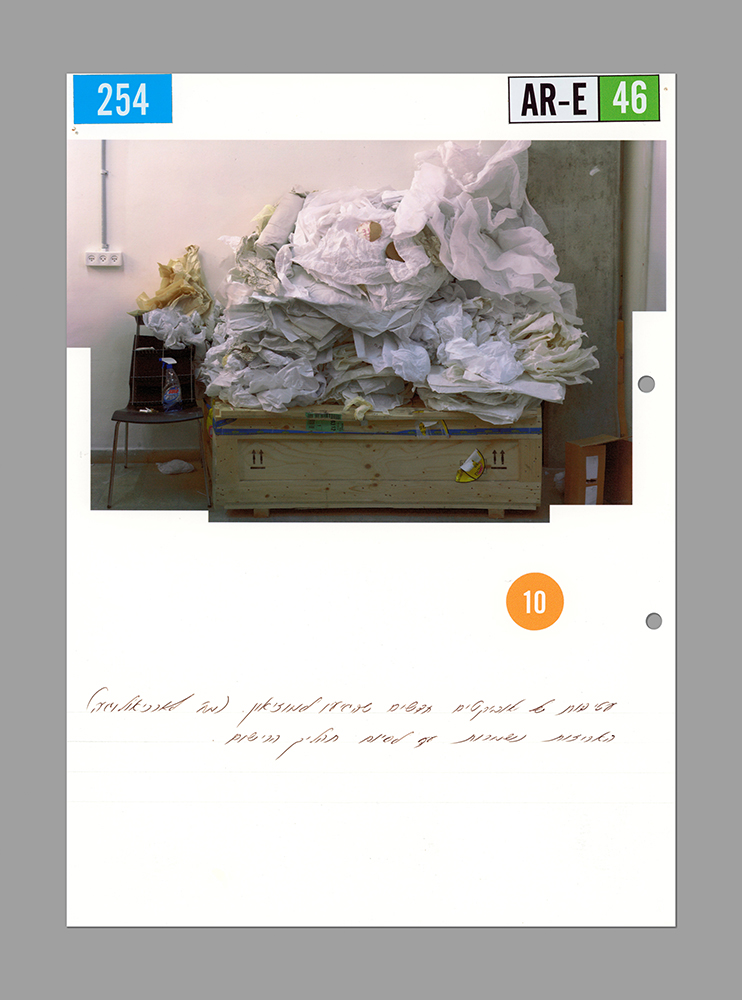
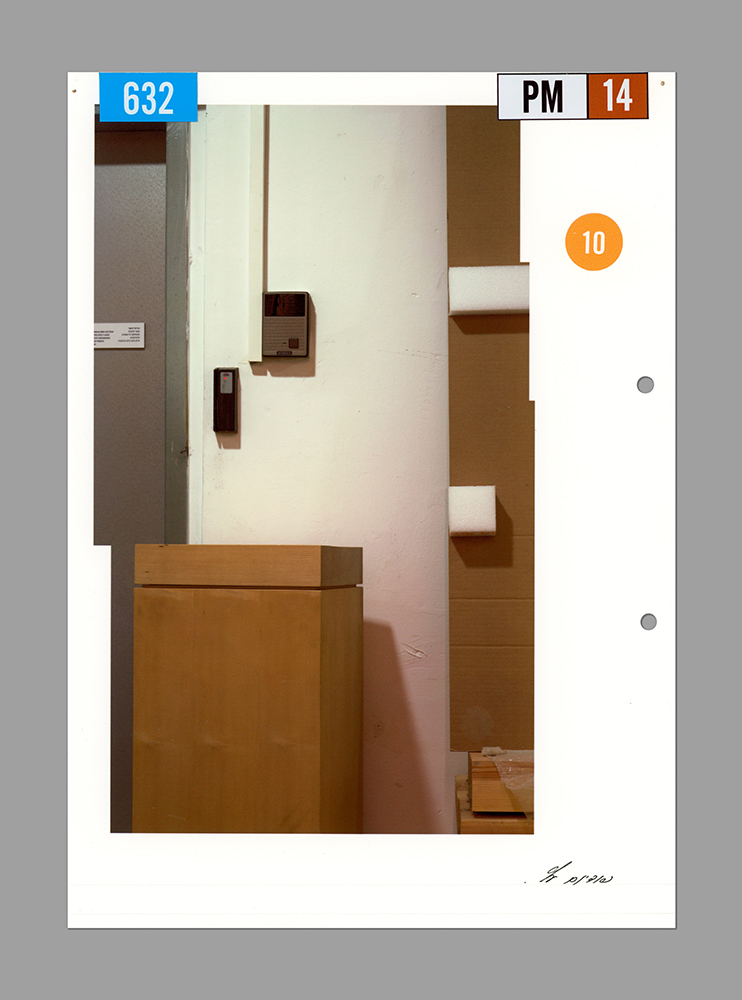
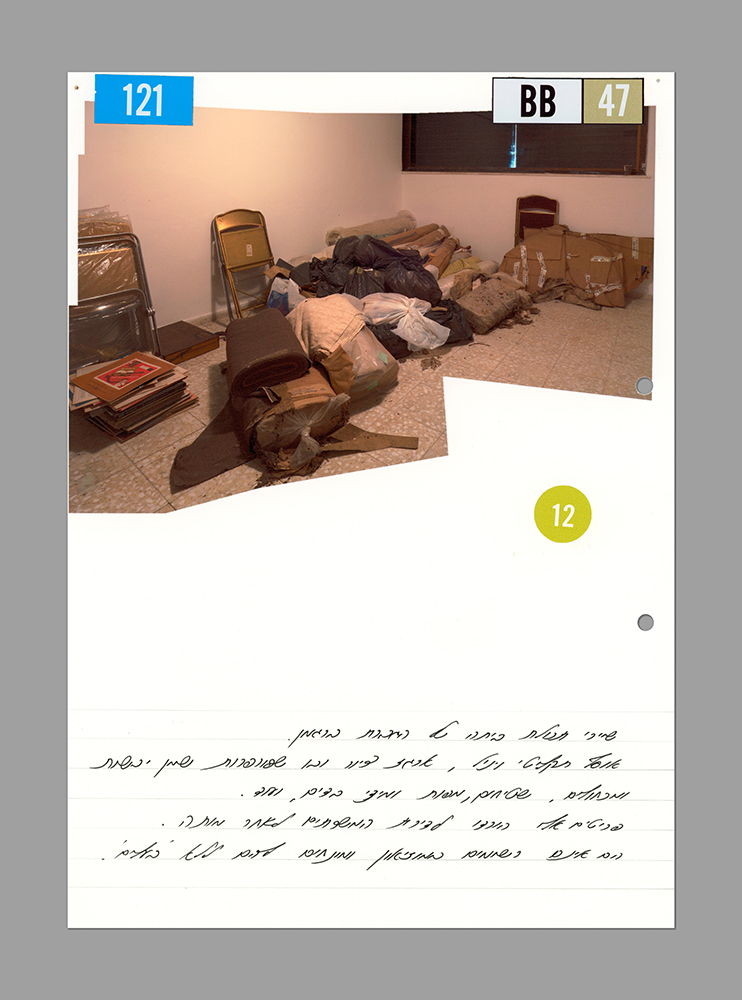
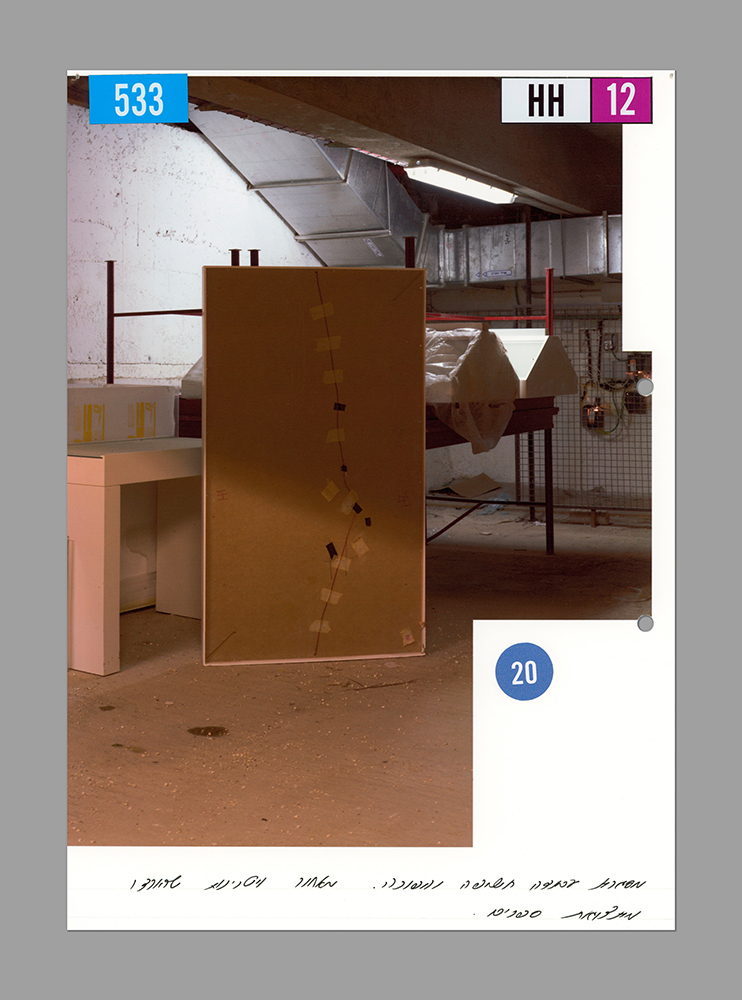
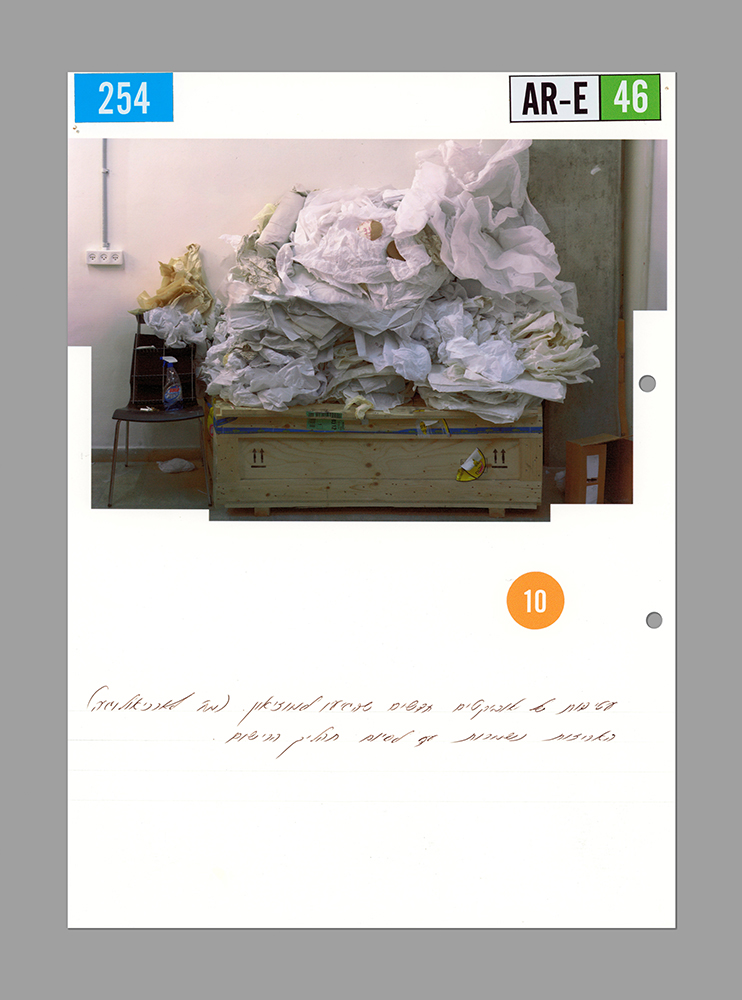
Featured in Work No. 10.                                   Remains of wood and packing materials in the office-corridors of the museum.
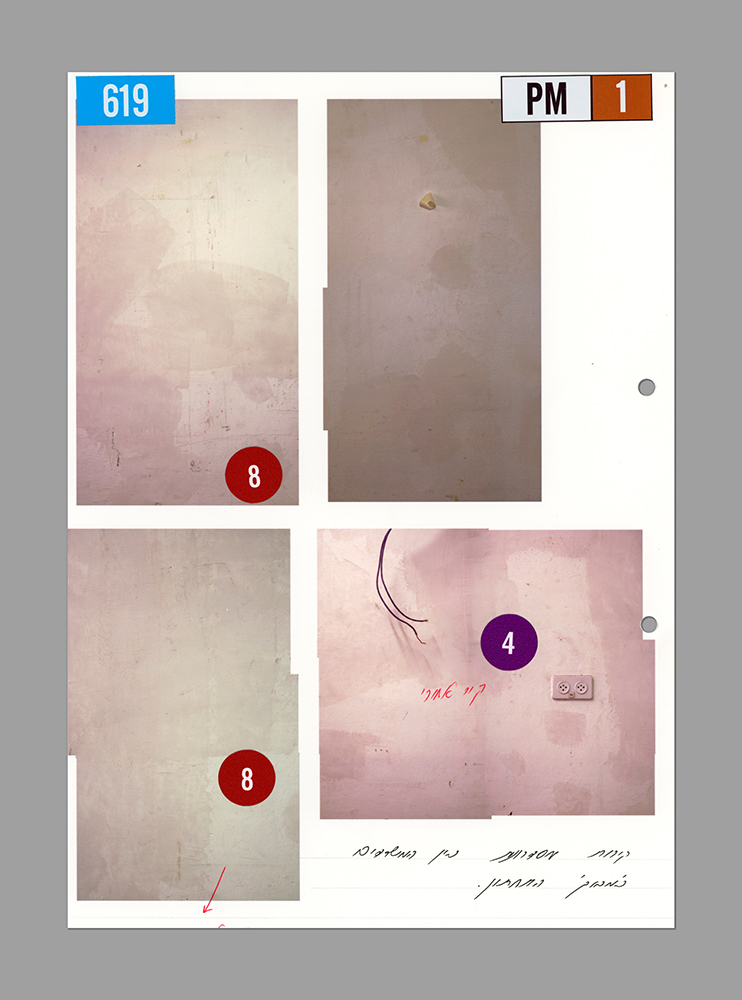
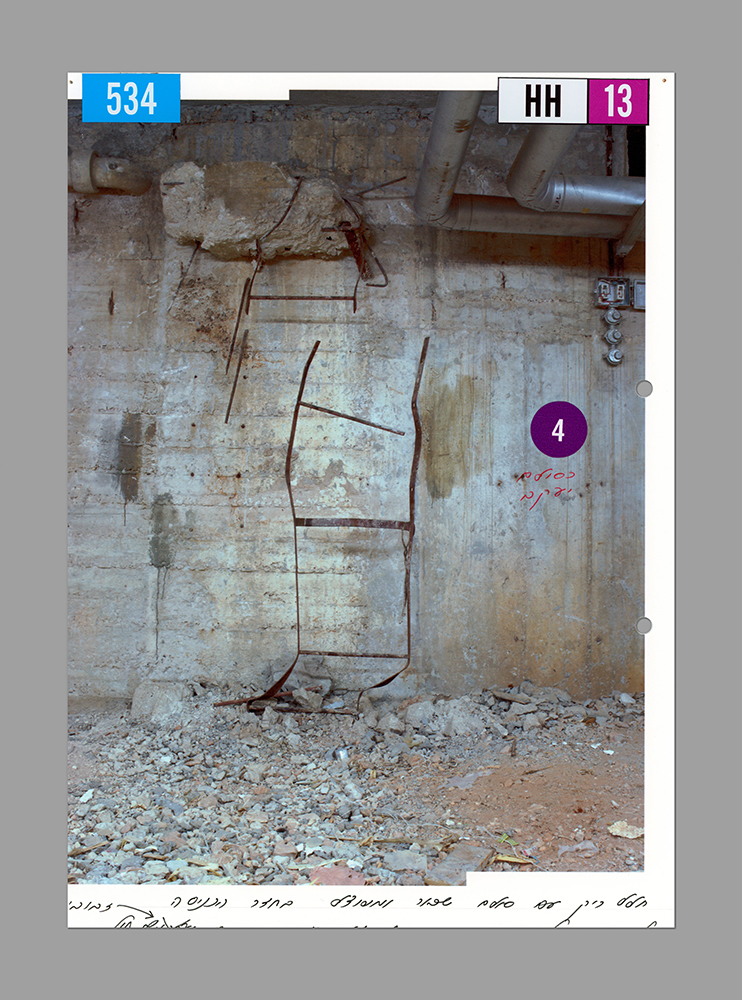
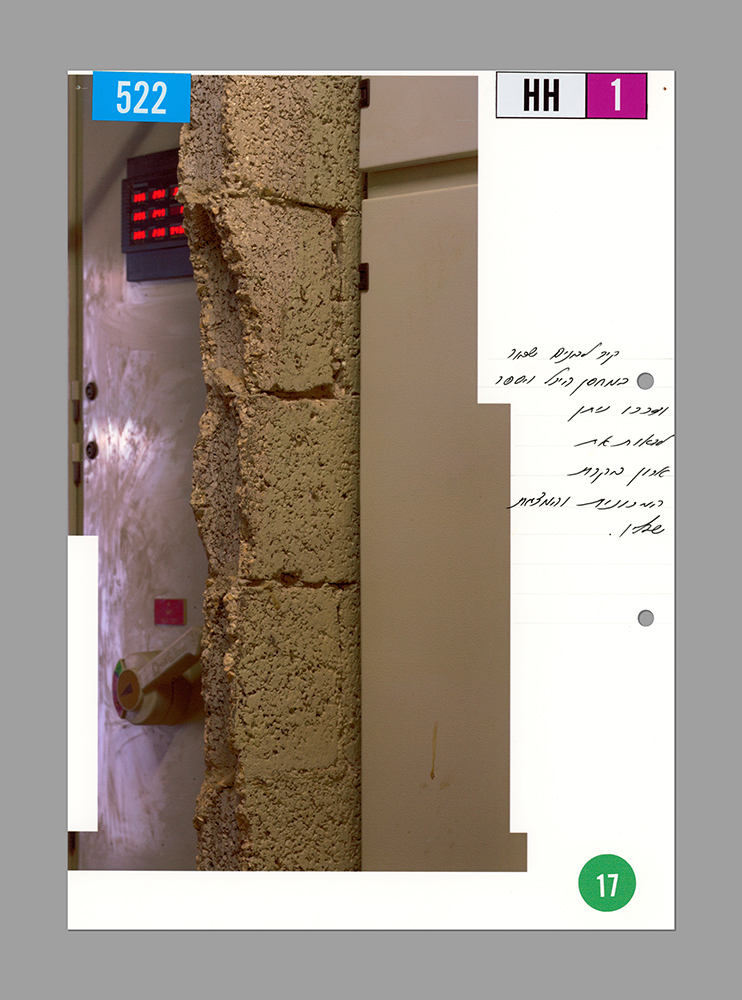
Featured in Work No. 4+8.                           Scanned walls of the hallway between the offices on the museum's lower floor.
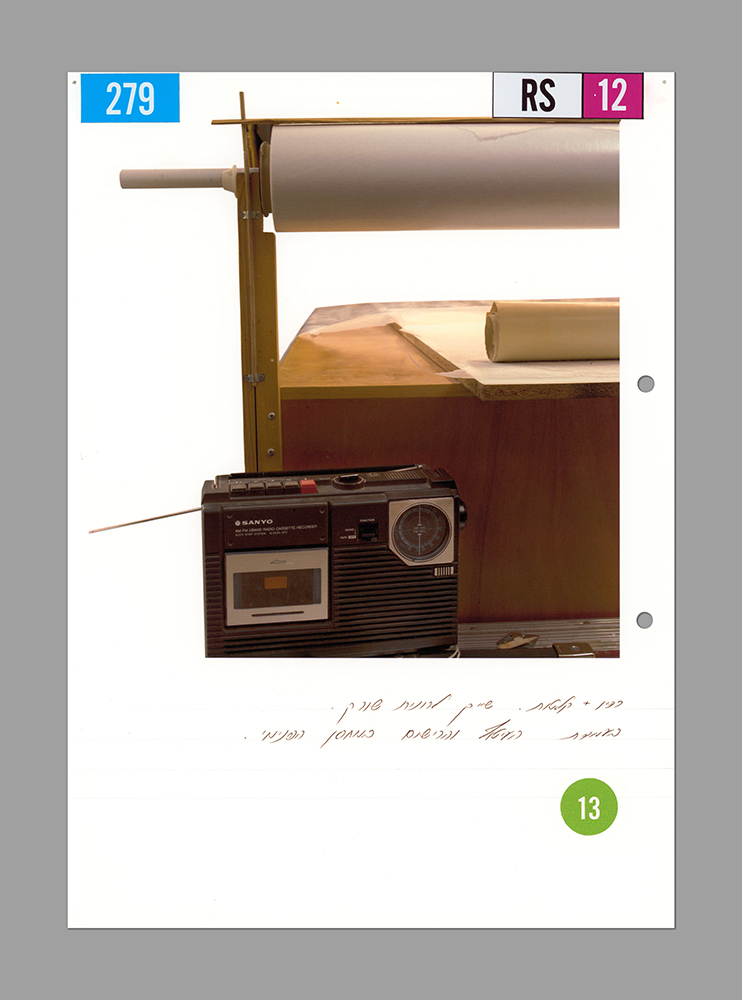
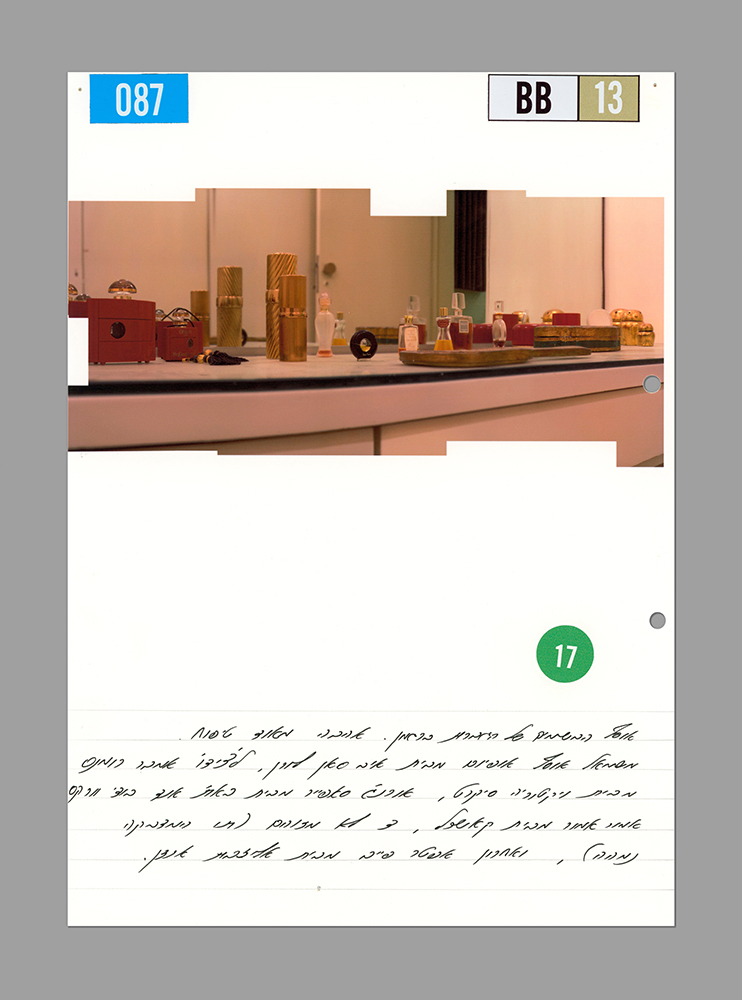
Featured in Work No.13.
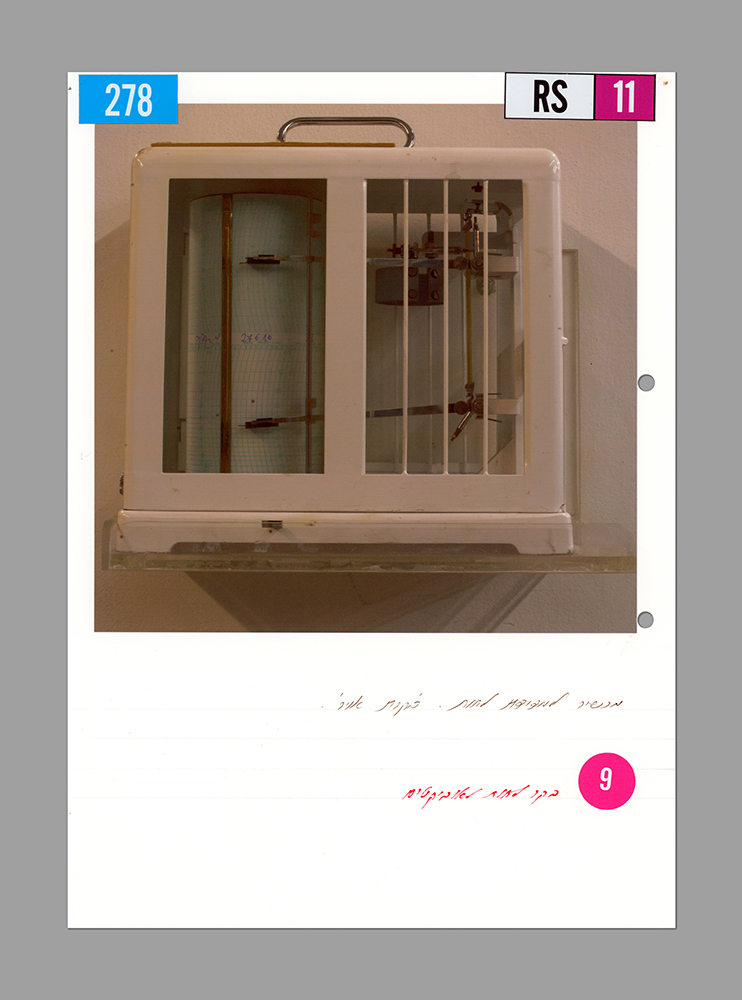
Radio + Tapes, belongs to Ronit Shorak (Curator for Drawings and Prints) from the Map Department.
Currently located at the wrapping and labeling station in the internal storage area.
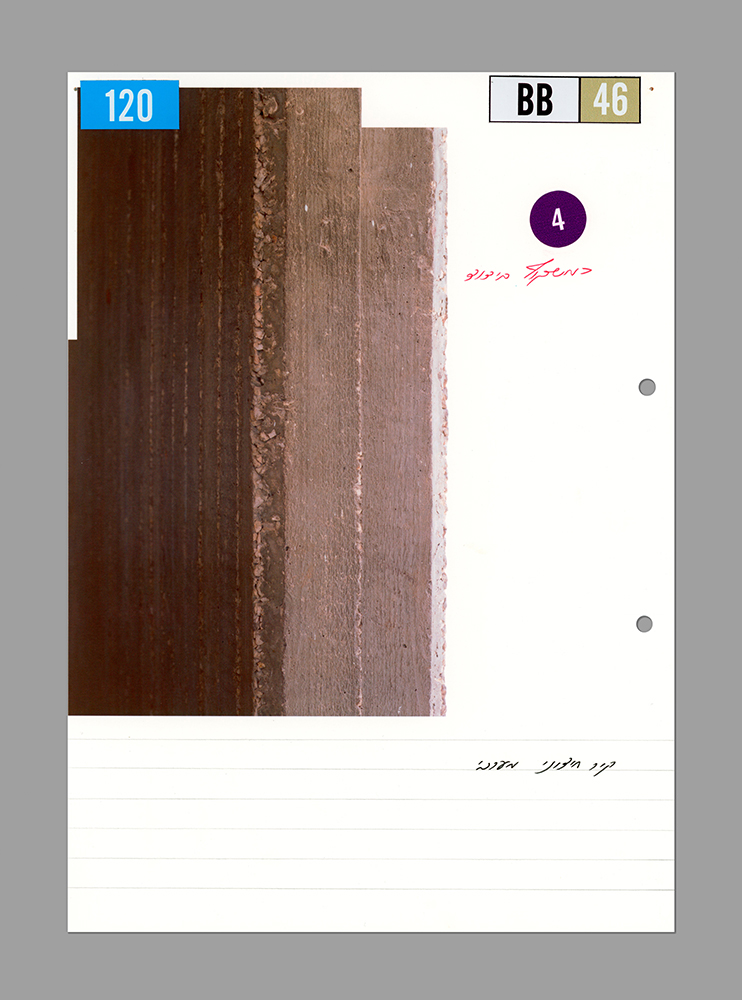
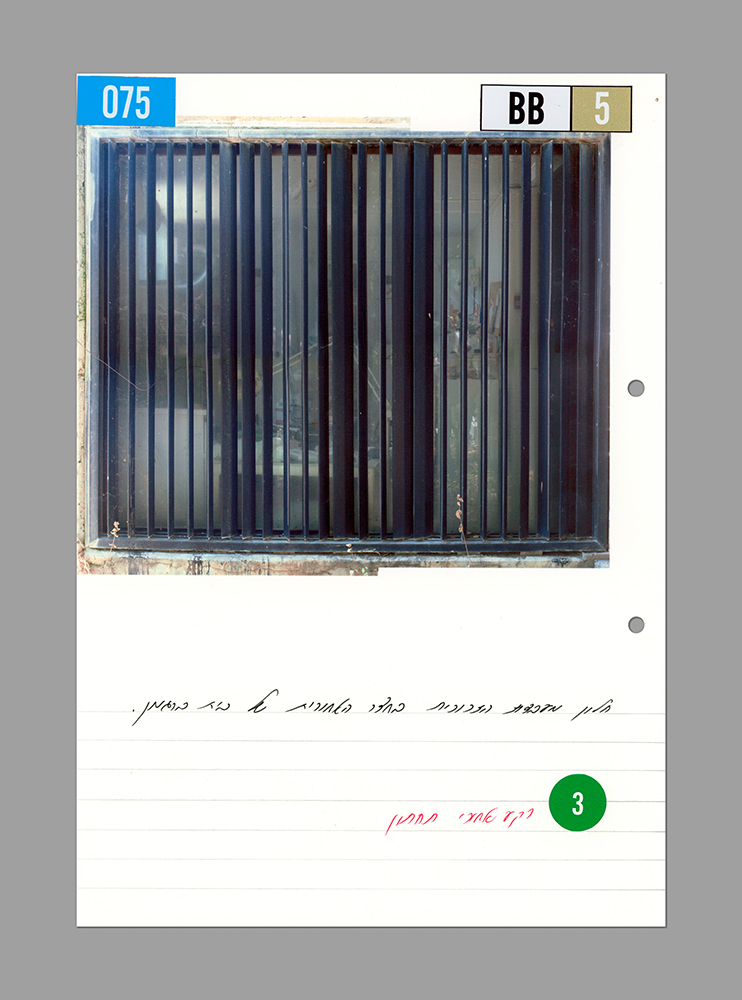
Featured in Work No. 4. as "An Insolation Frame". Exterior west wall of the Bergman house
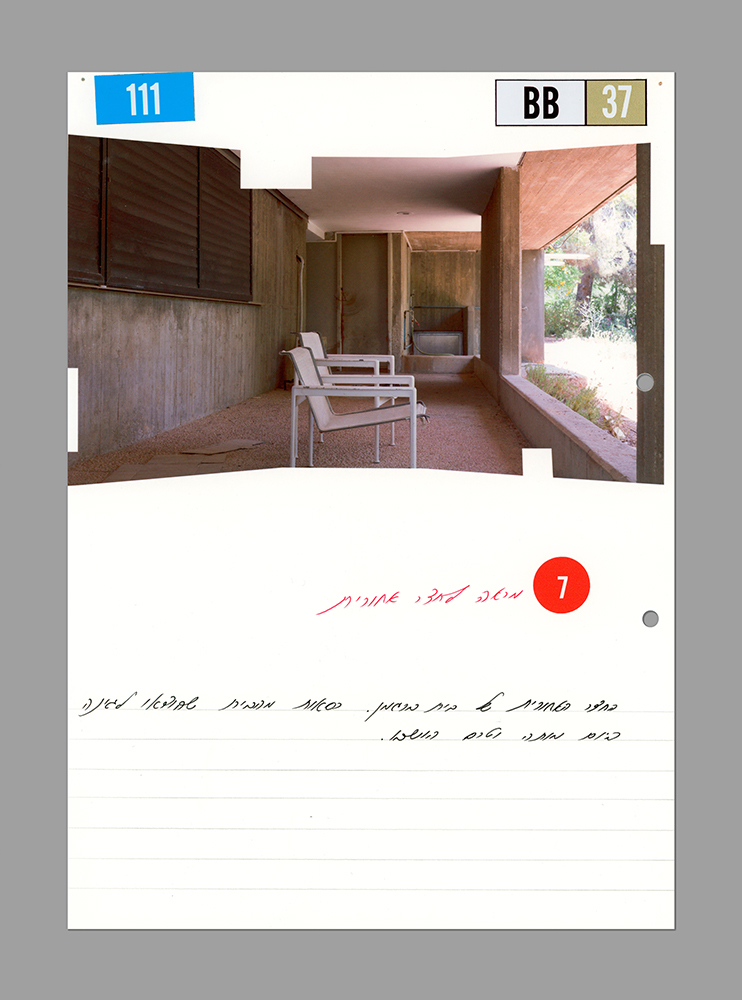
Featured in Work No. 7 as "A View to the Backyard".
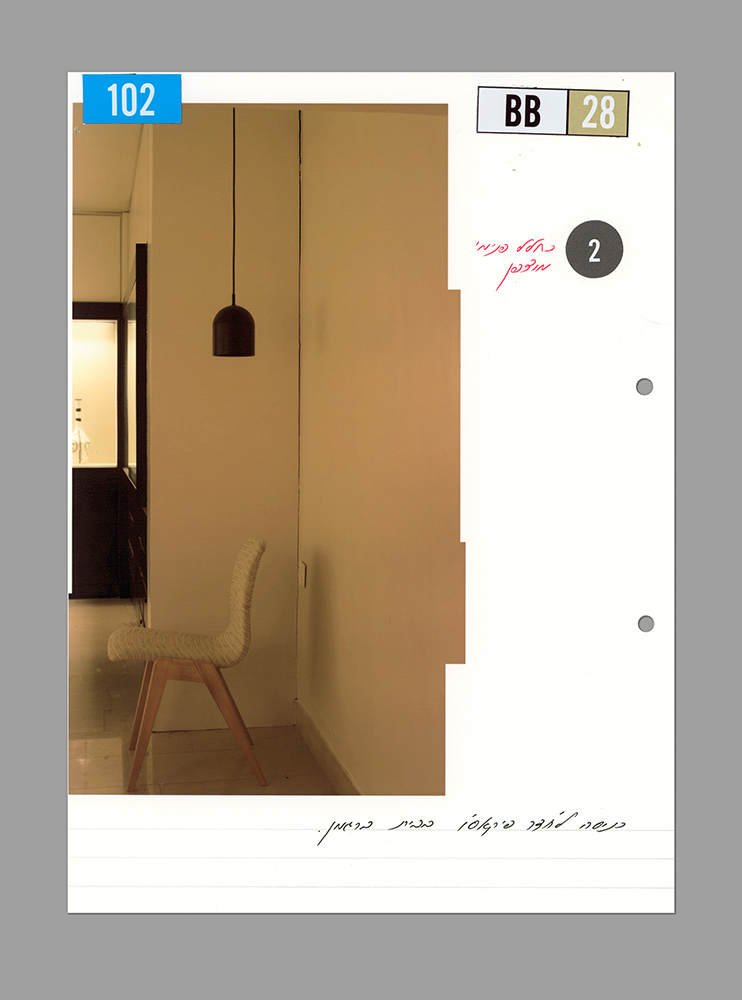
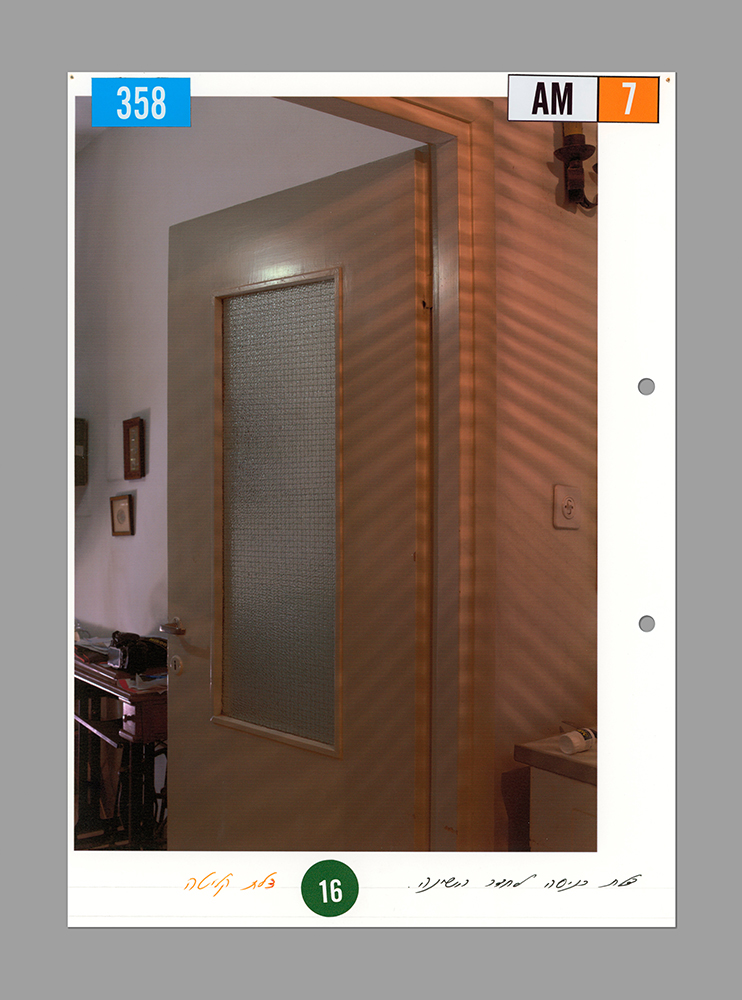
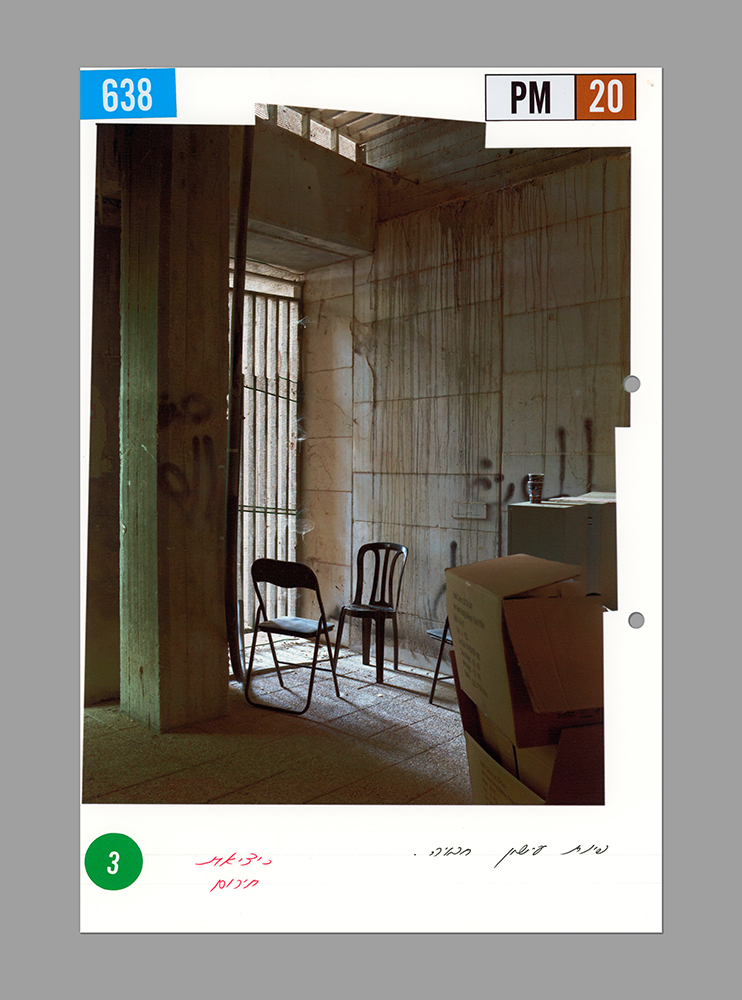
Backyard of the Bergman house. Chairs from the house were moved to the garden on the day of her death and have not yet been brought back inside.
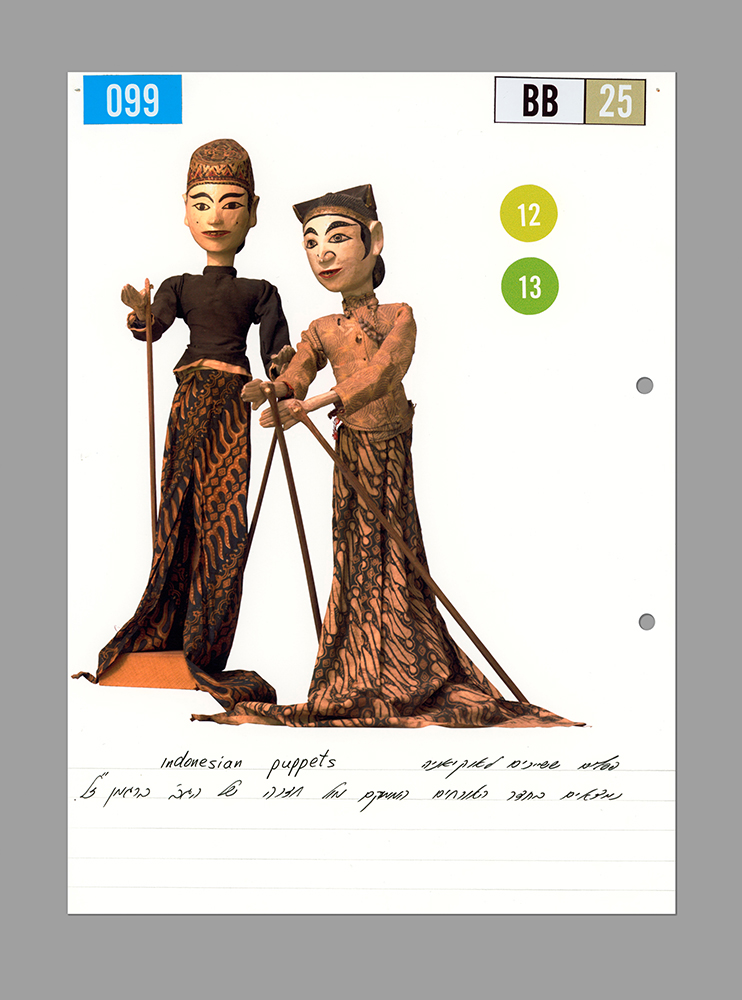
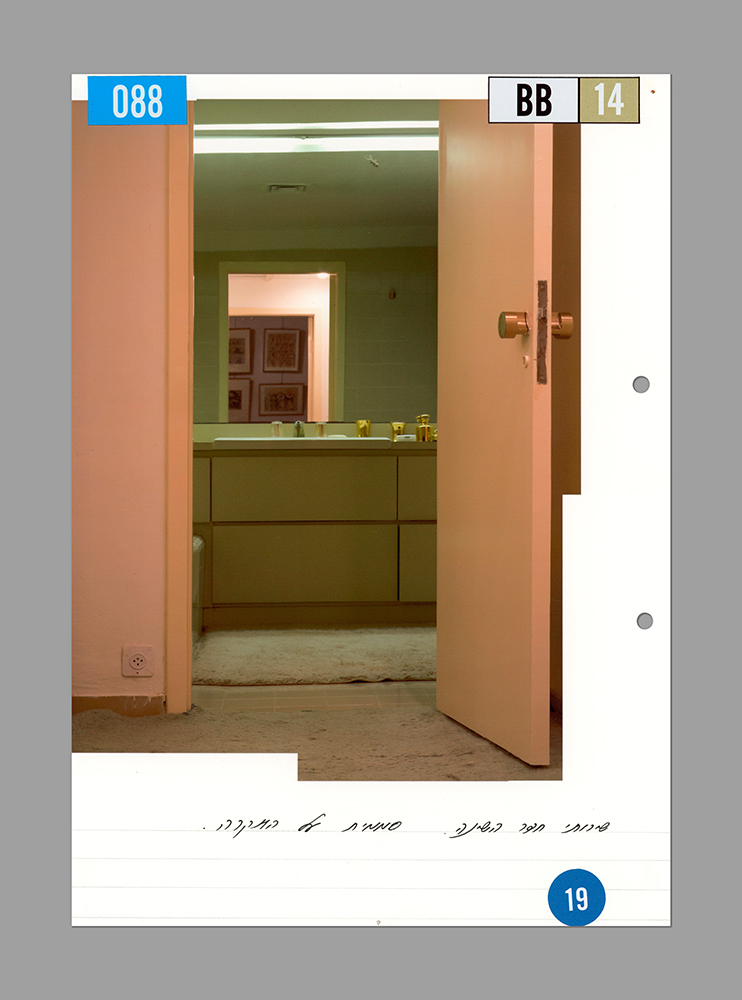
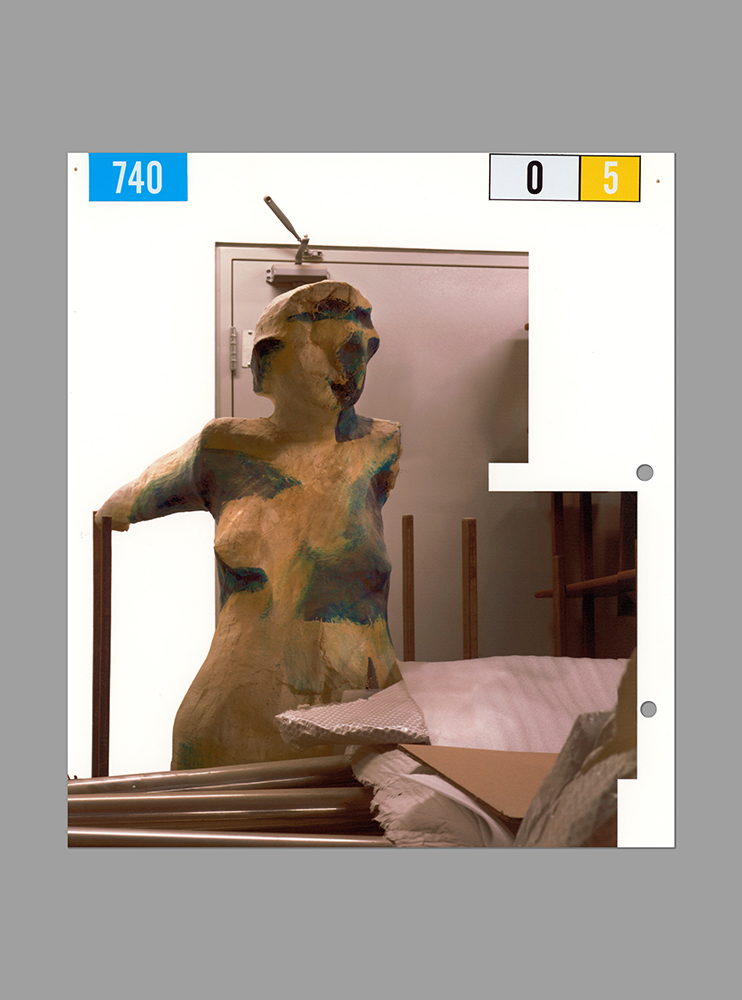
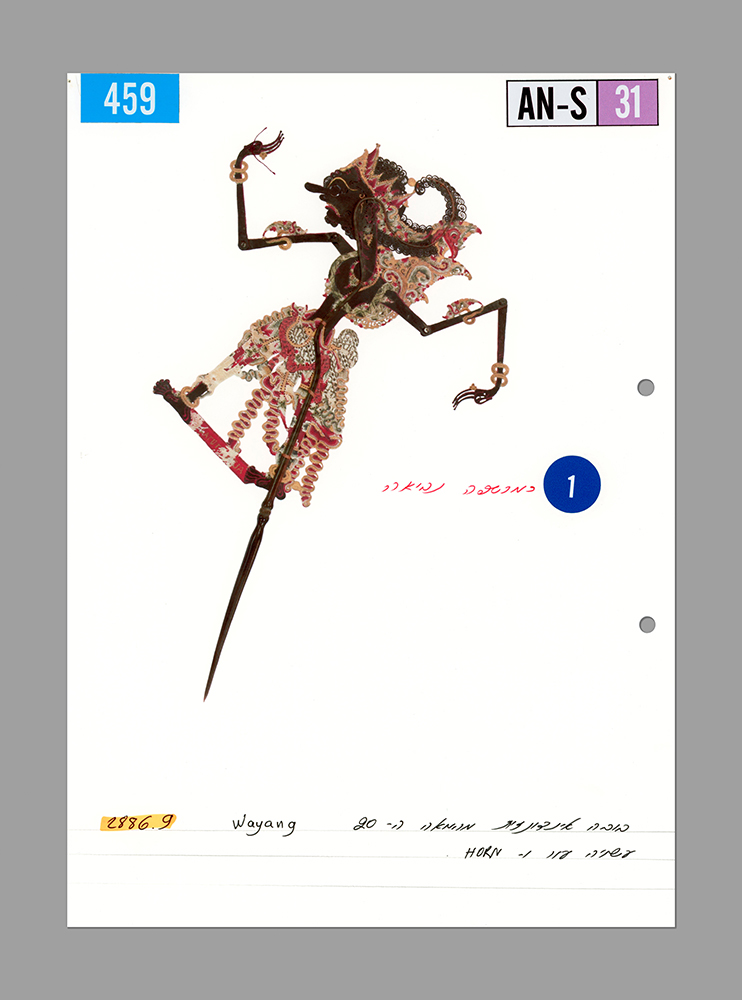
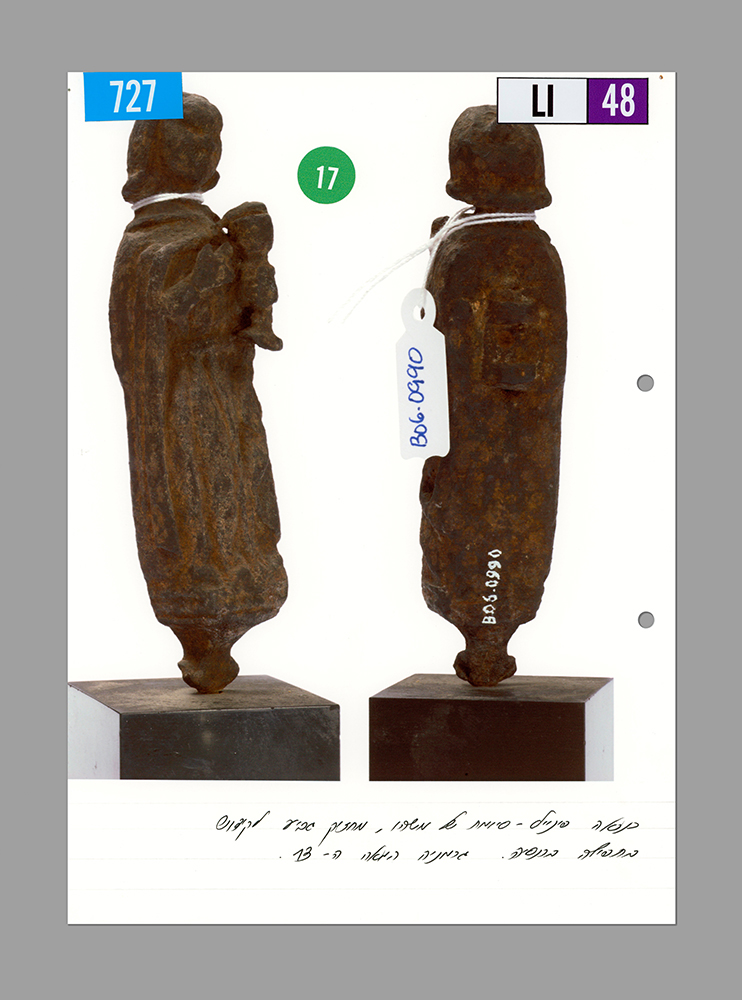
Featured in Work No. 12+13.                                      Indonesian puppets from the Oceania department, placed in the guest room opposite the late Mrs. Bergman's room.
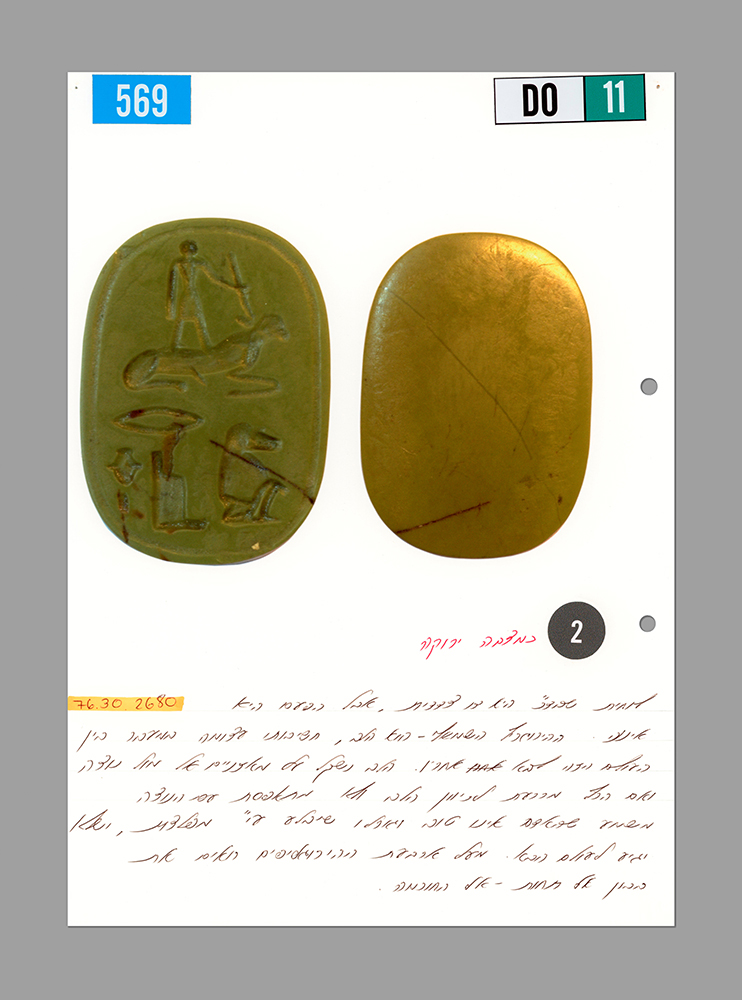
Featured in Work No. 2.          
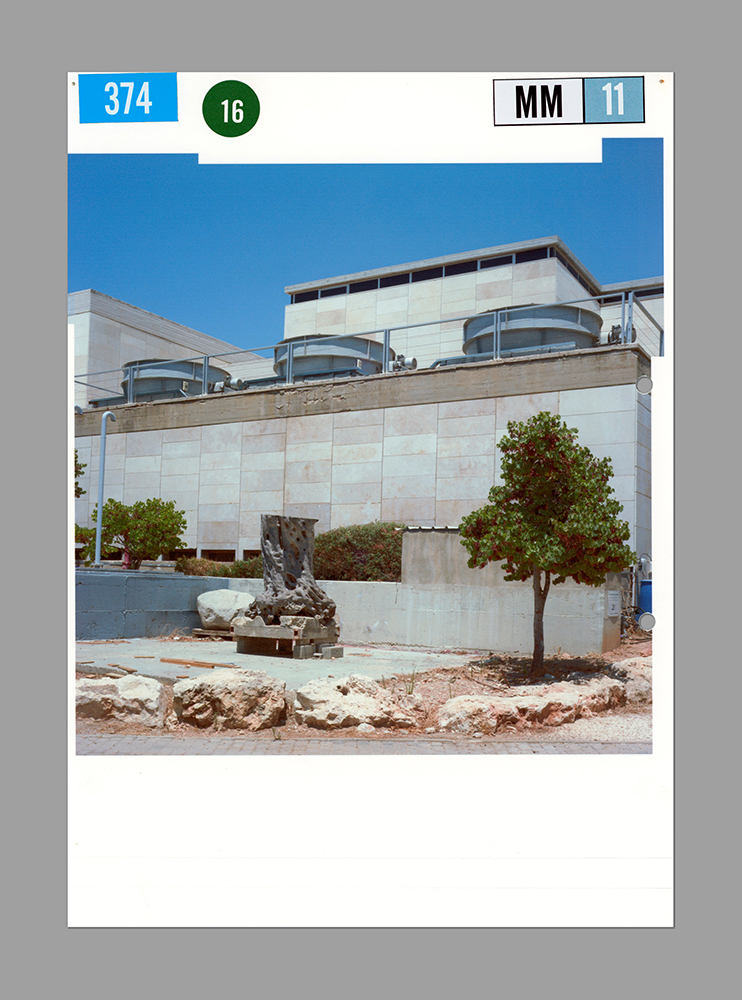
Decaying tree in Bergman house backyard.
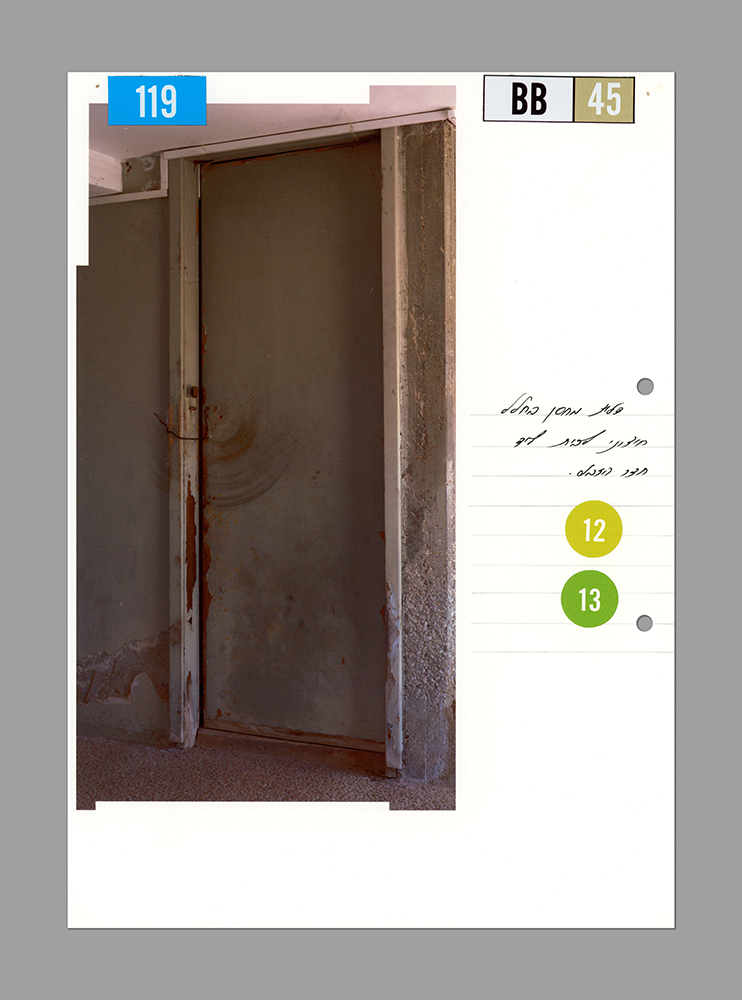
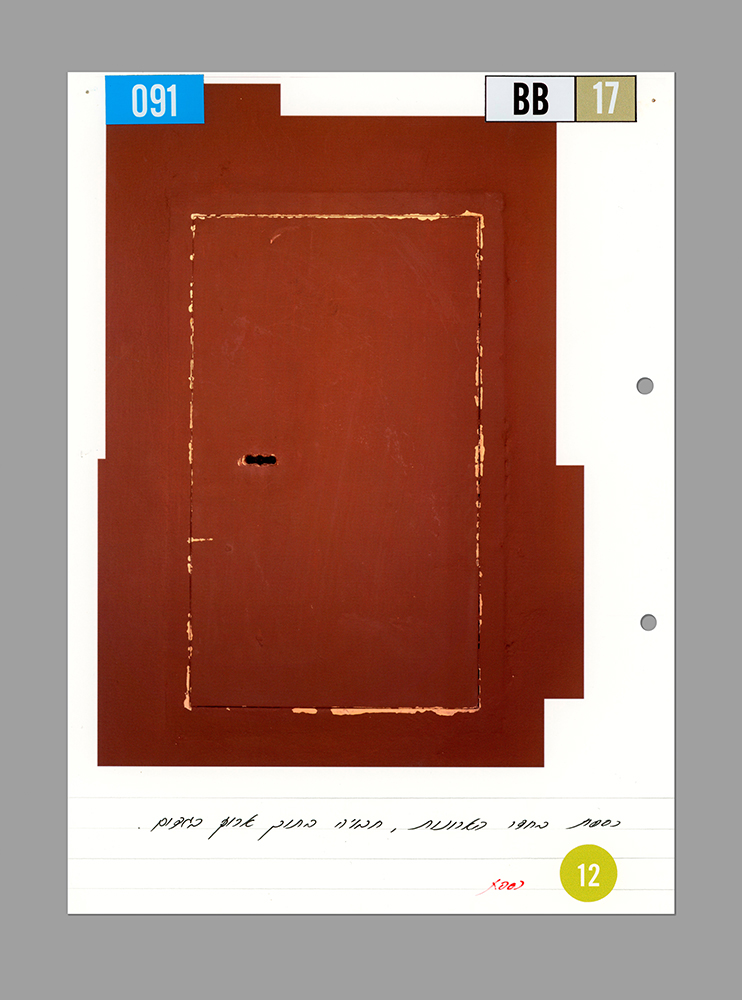
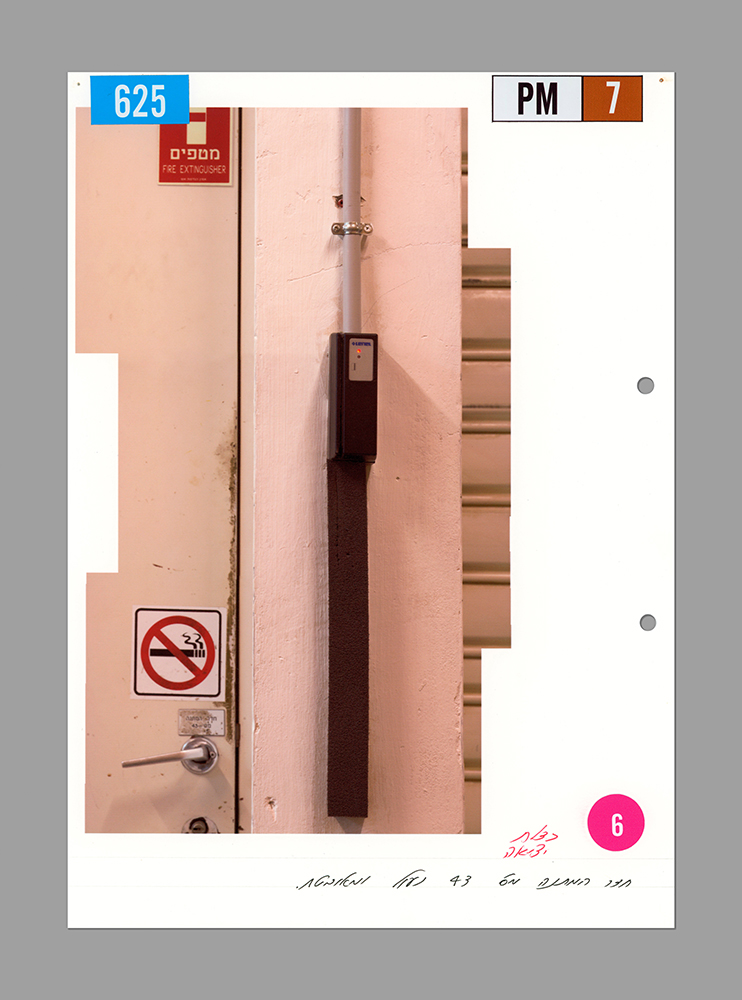
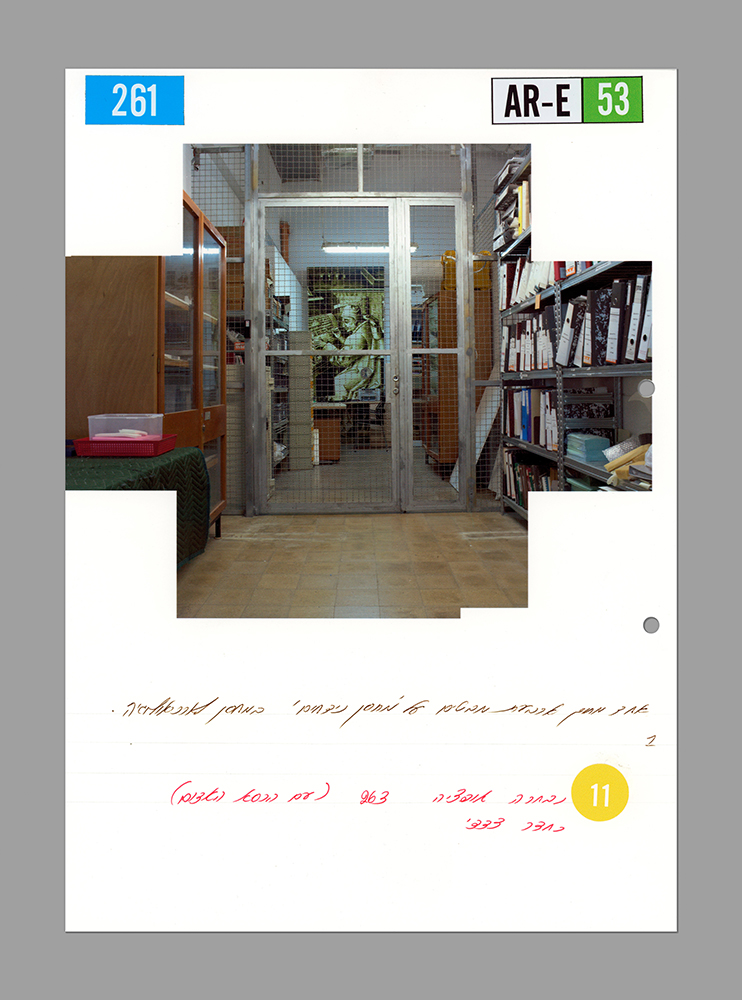
Featured in Work No. 12+13.                                      Storage room door located in an area outside the Bergman's house, adjacent to the garbage yard.
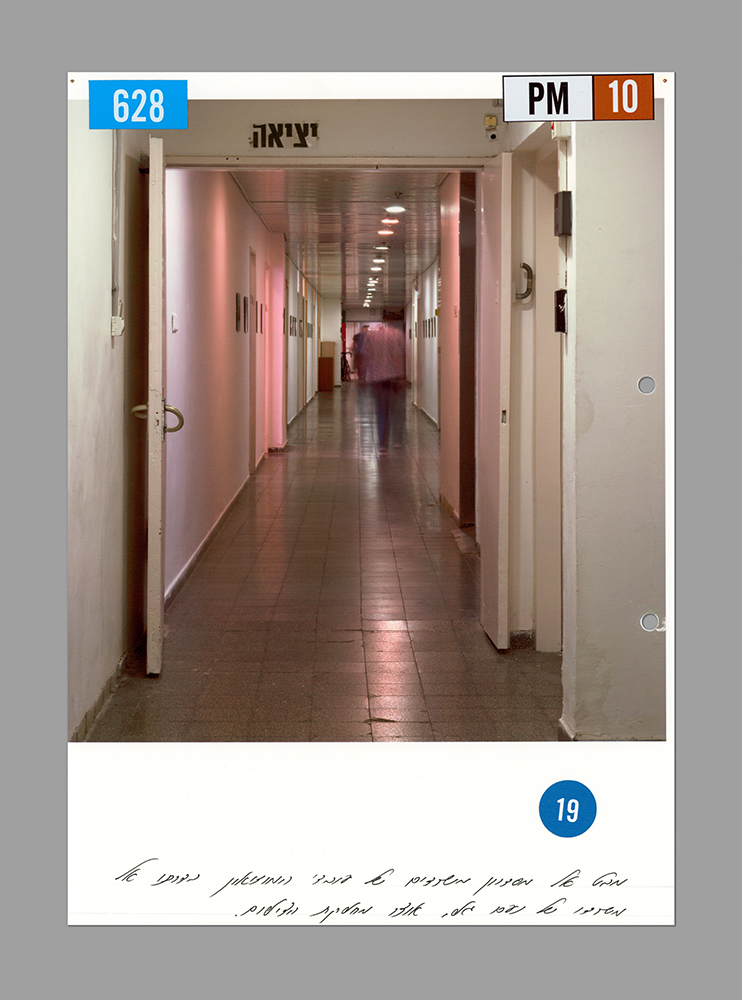
Featured in Work No. 19.                                           The view overlooks the office corridor where museum employees pass on their way to the office of Noam Gal, the chief curator of the photography department.
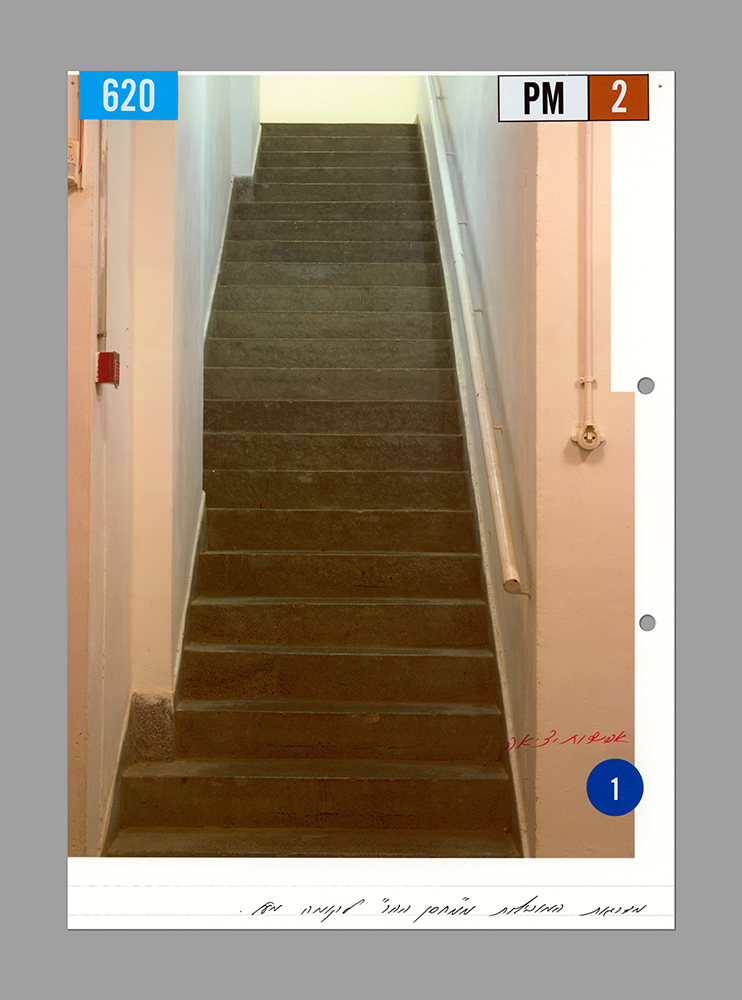
Featured in Work No. 1 as "An Exit Option".
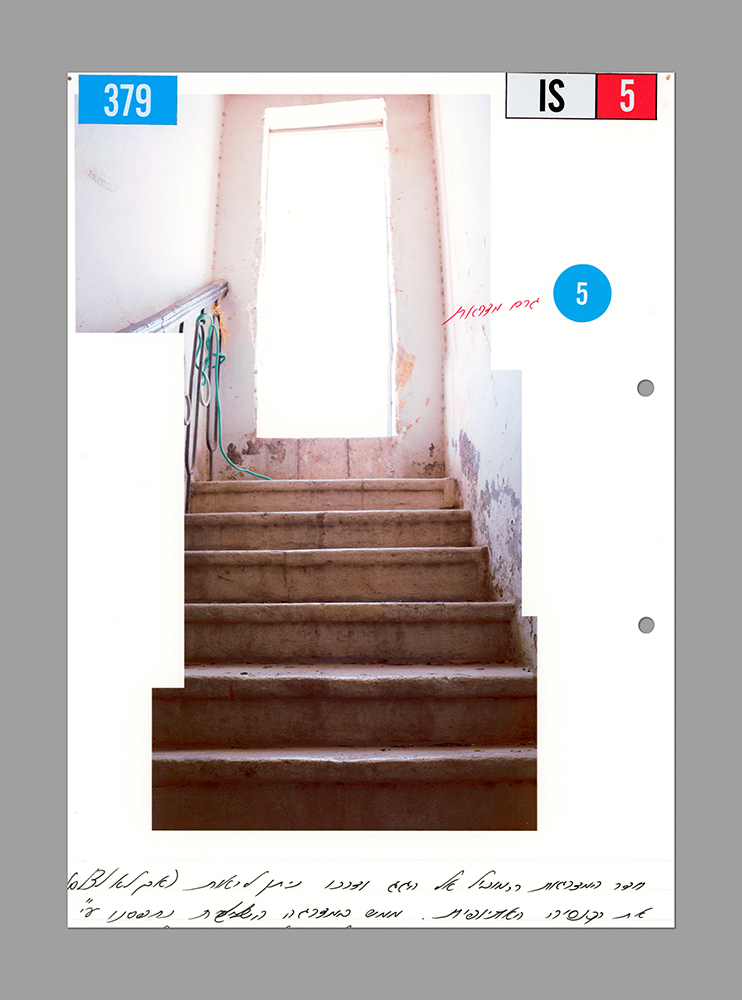
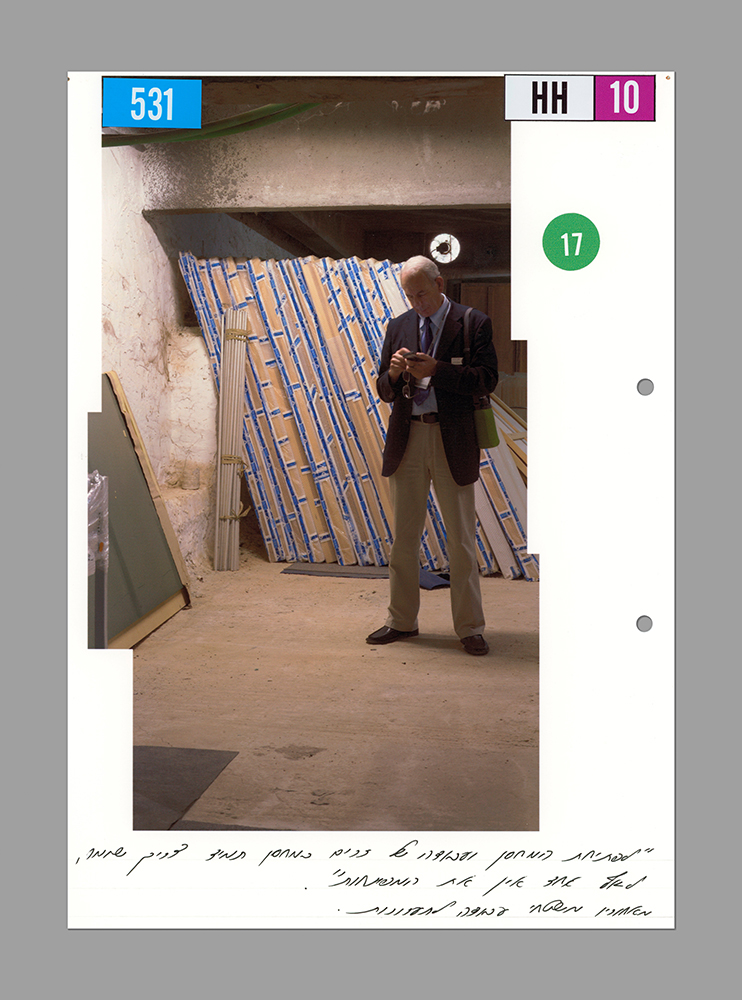
Stairs going up from the "Mountain storage" to the floor above.
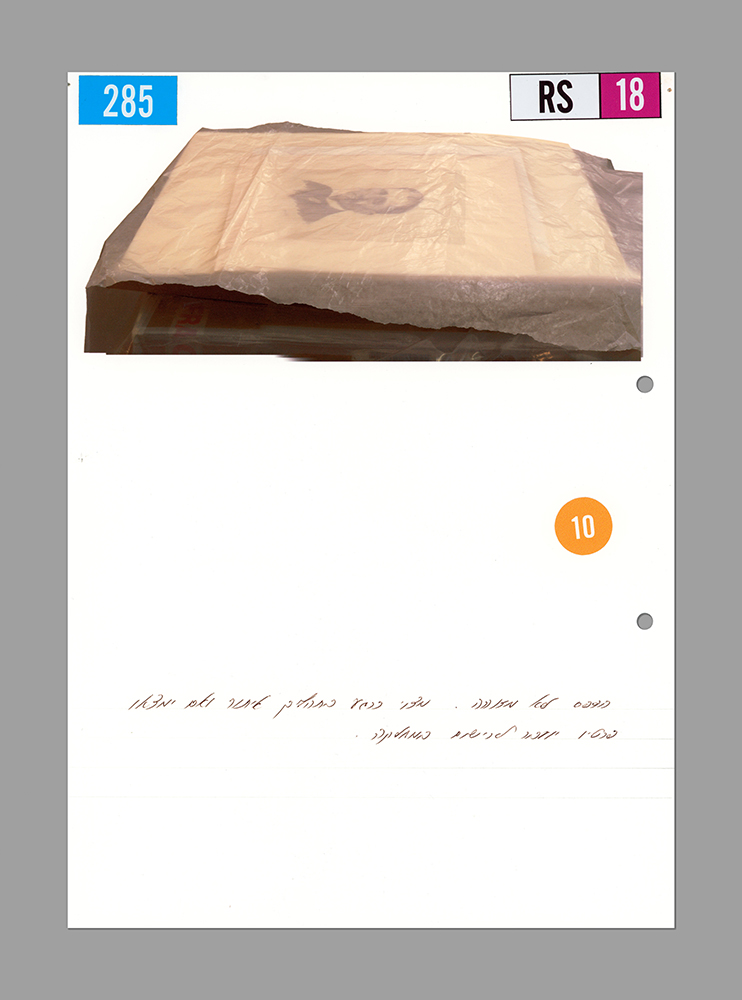
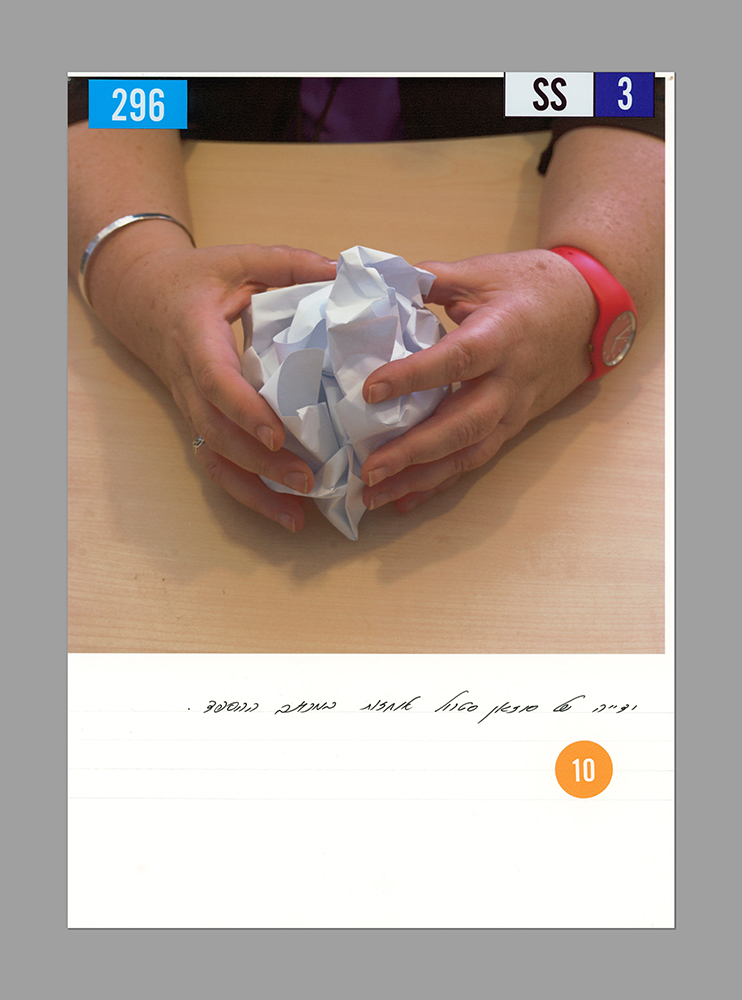
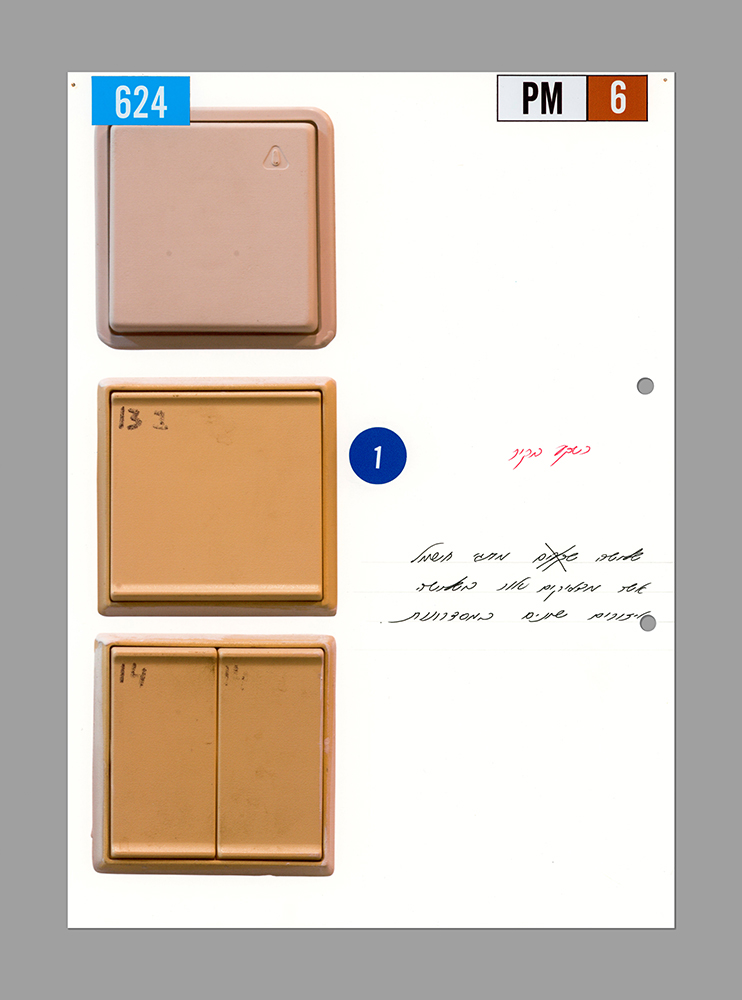
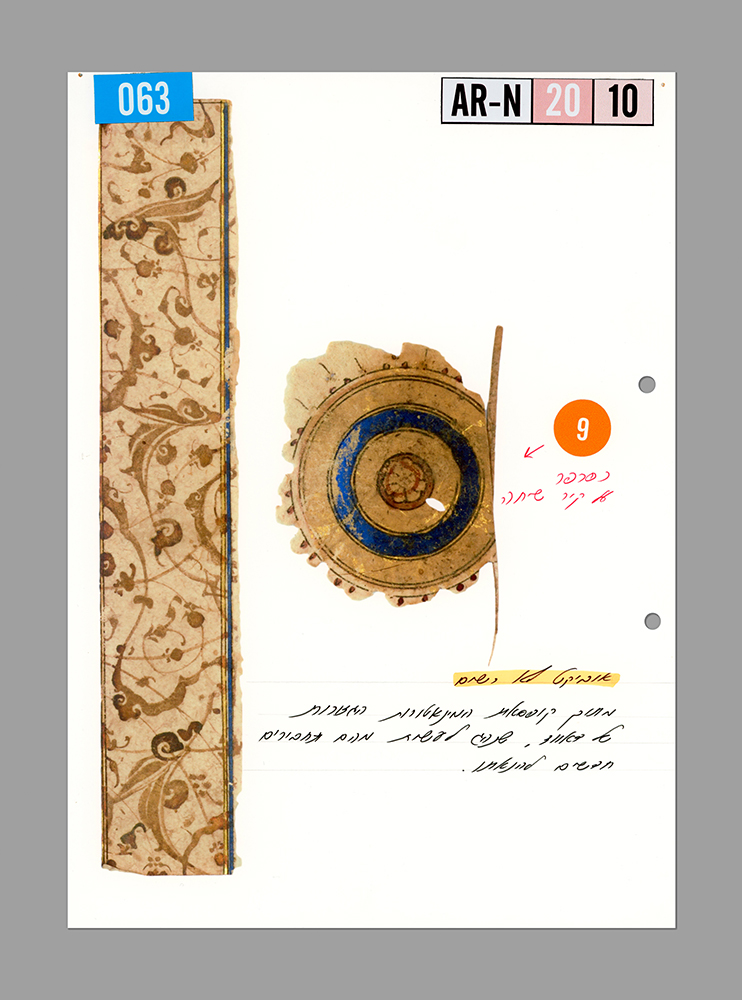
Featured in Work No. 10. Unidentified print currently under investigation. If its details remain undiscovered, it will be transferred to the department of registration.
Featured in Work No. 1 as "A Background Area".
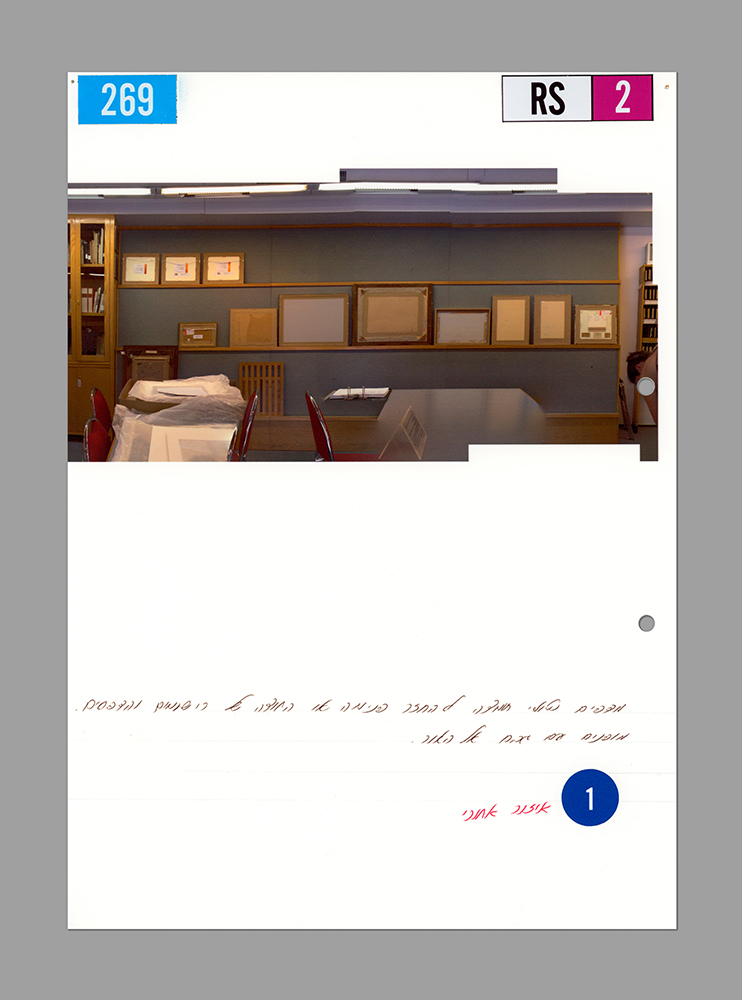
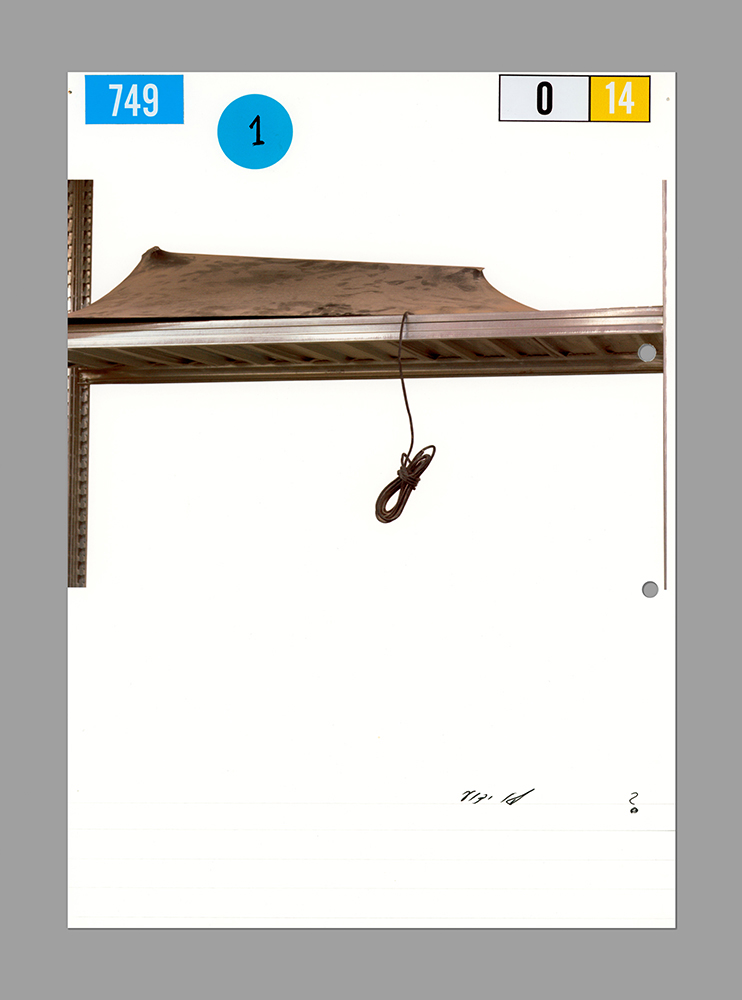
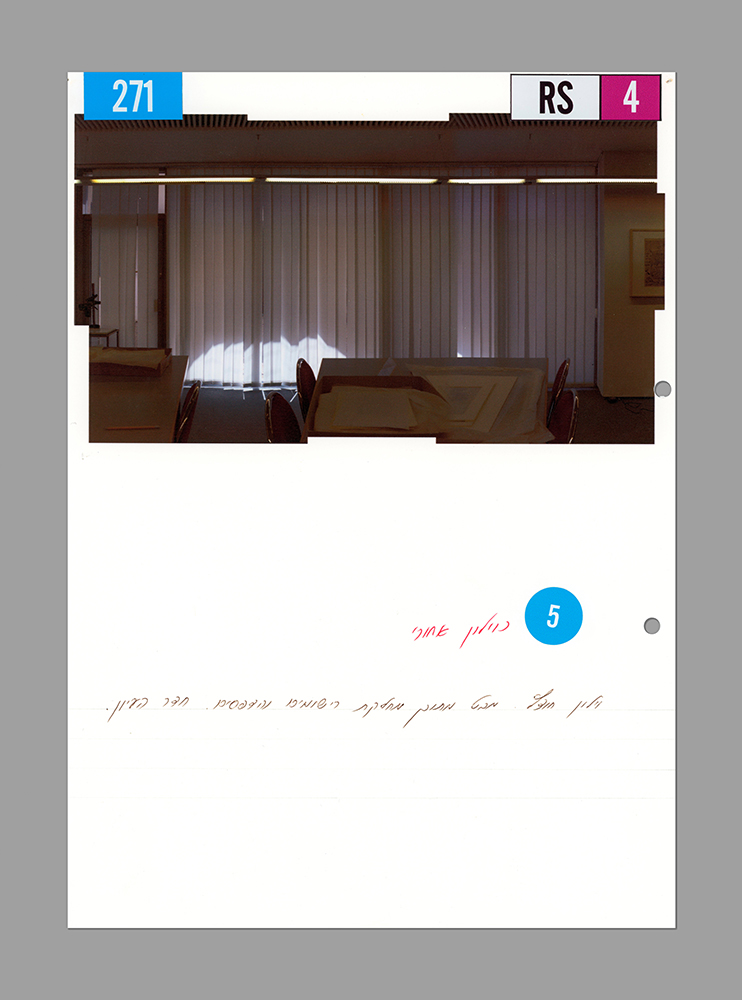
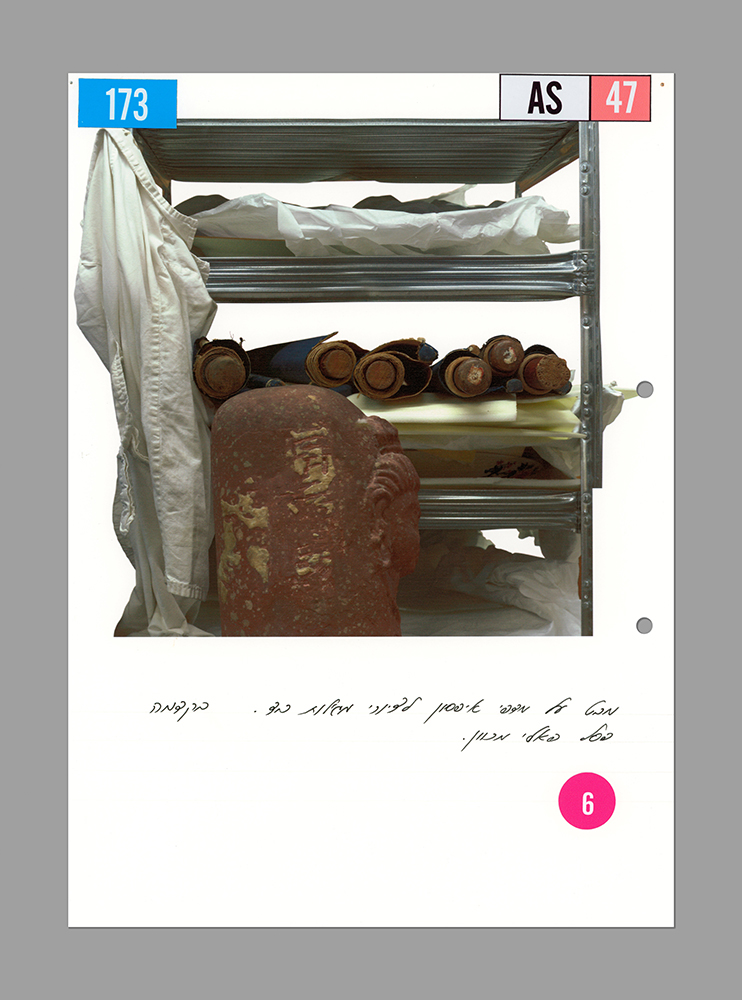
Shelves in the map and print conservation department, used for storing items that are being moved in or out. These are arranged with their backs facing the light.
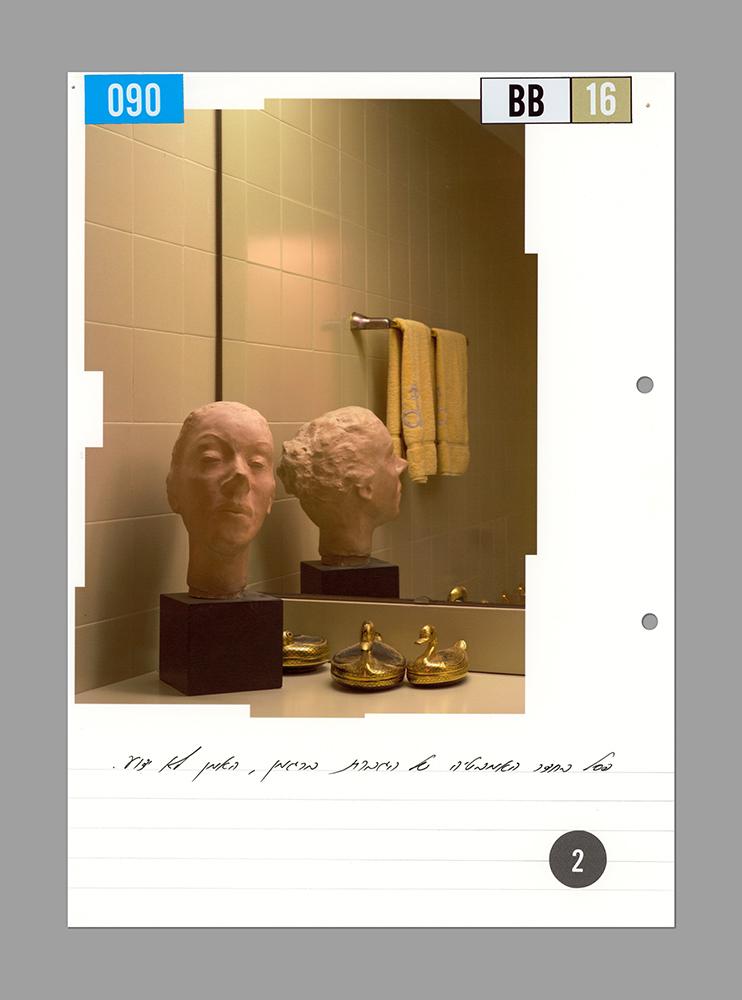
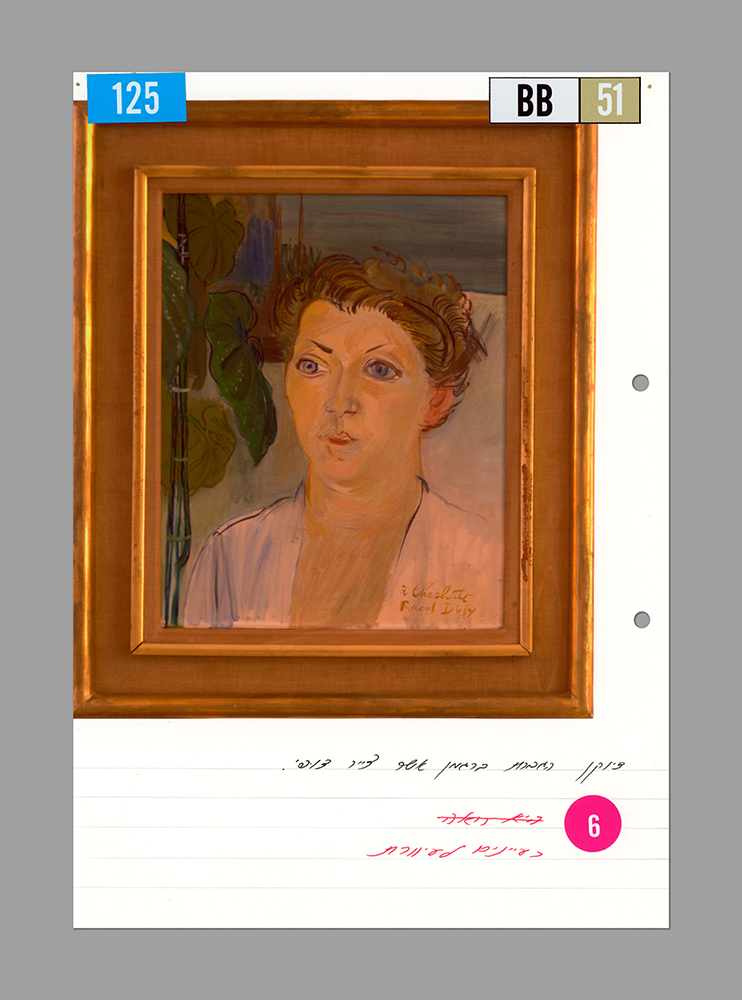
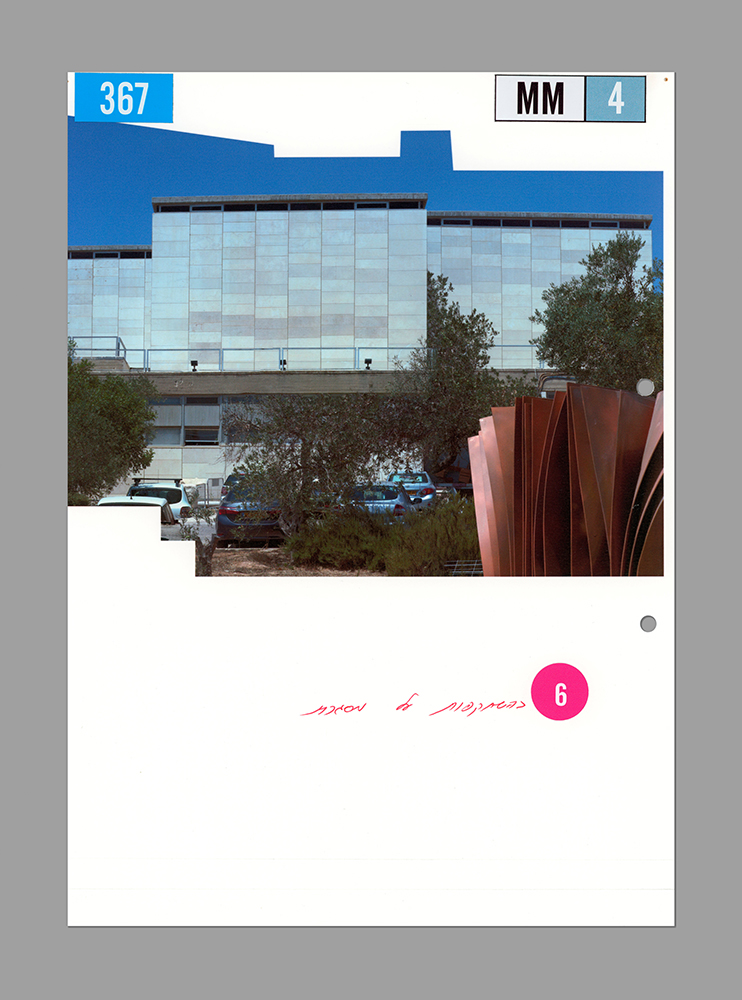
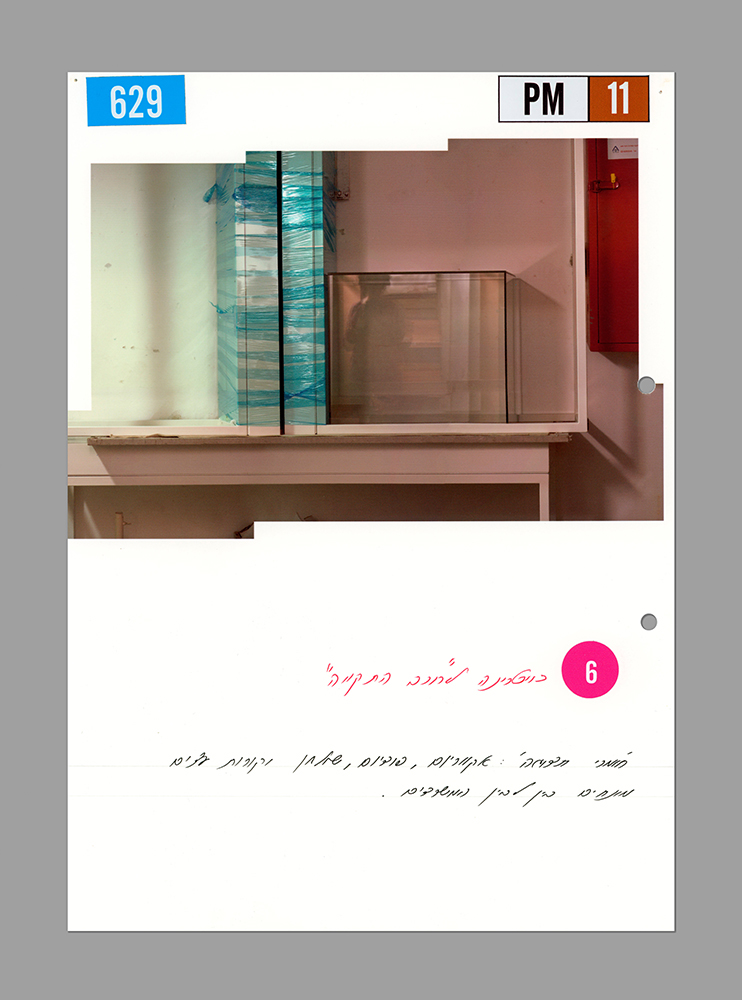
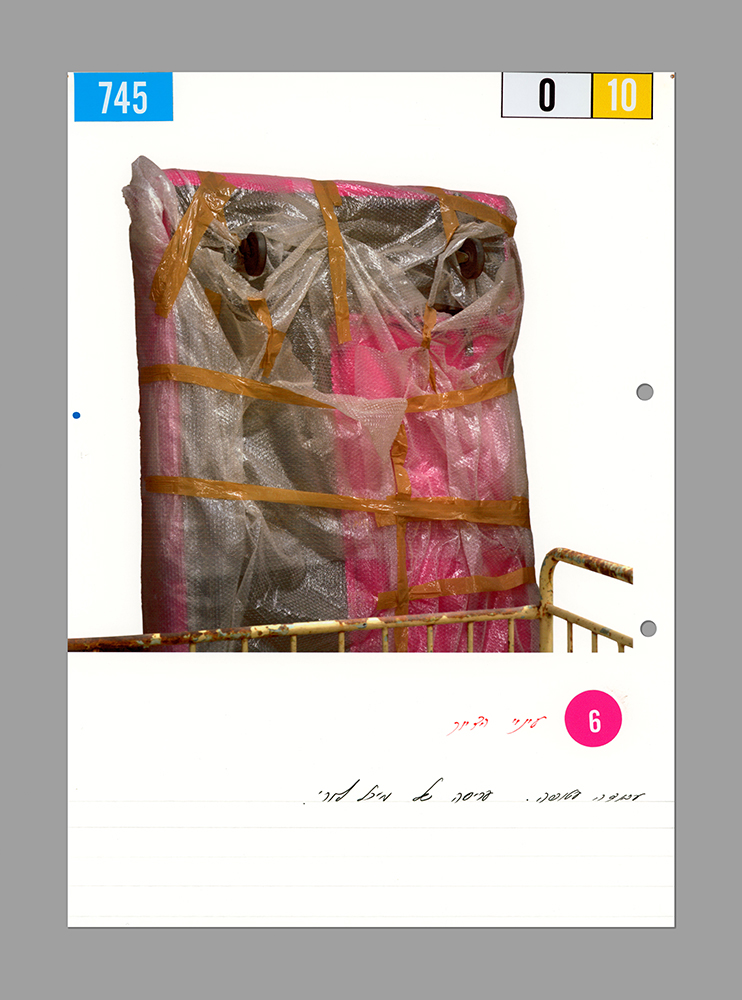
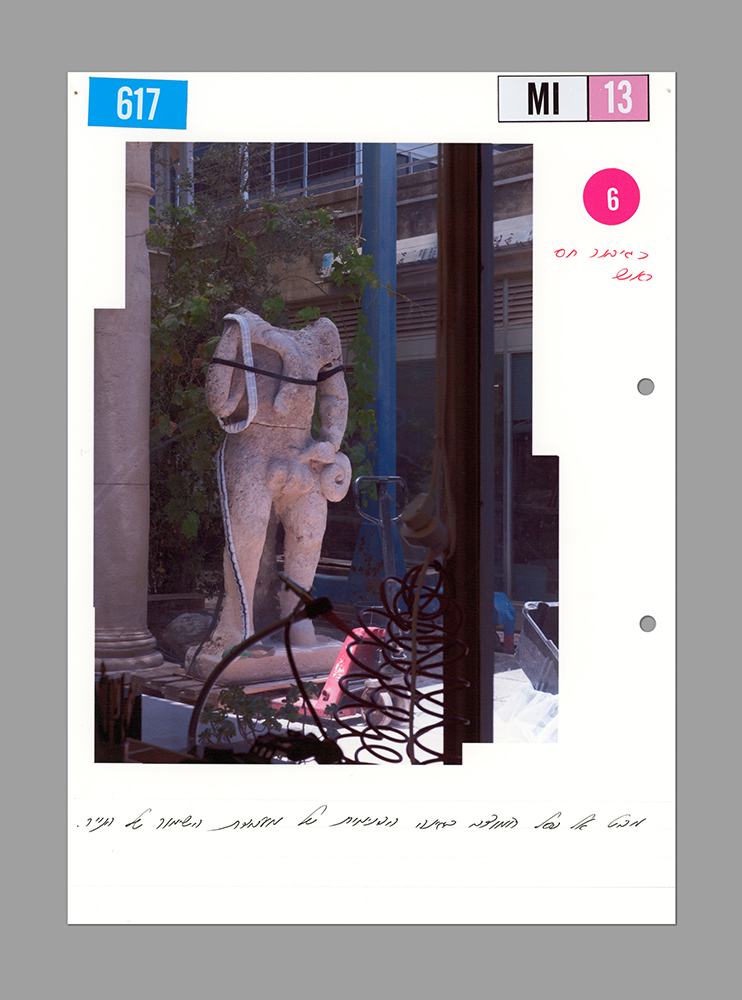
Featured in Work No. 6 "As Eyes for the Blind Figure".                                             Portrait of Charlotte Bergman, by Raoul Dufy.
some other text
lorem ipsum 3 and so on ...
lorem ipsum
lorem ipsum 2
lorem ipsum 3
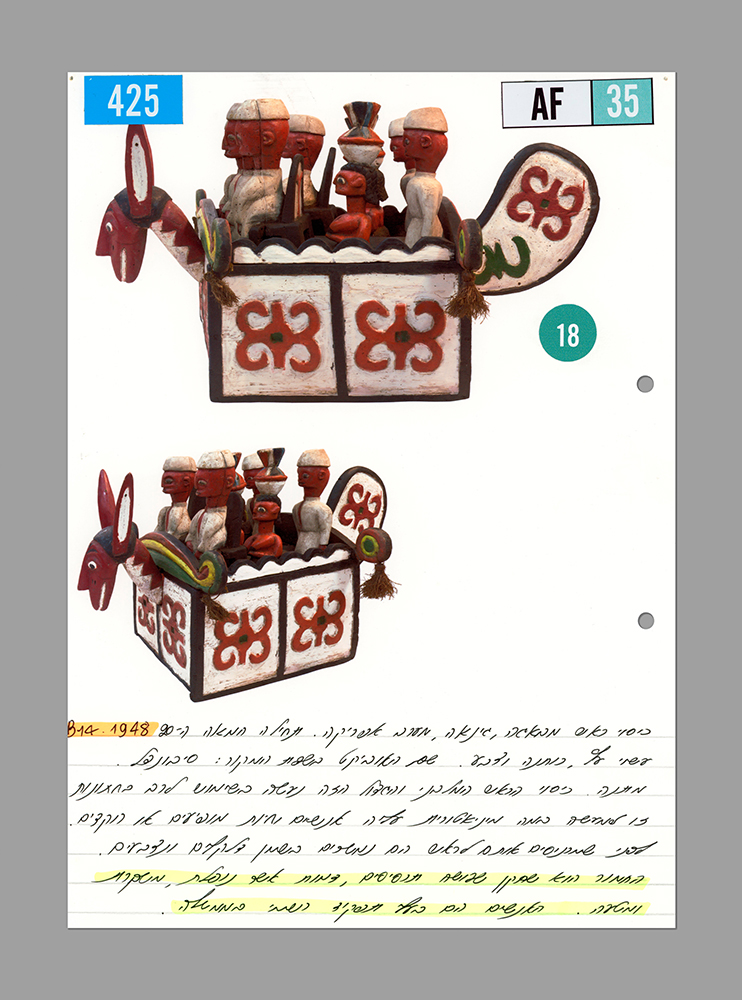
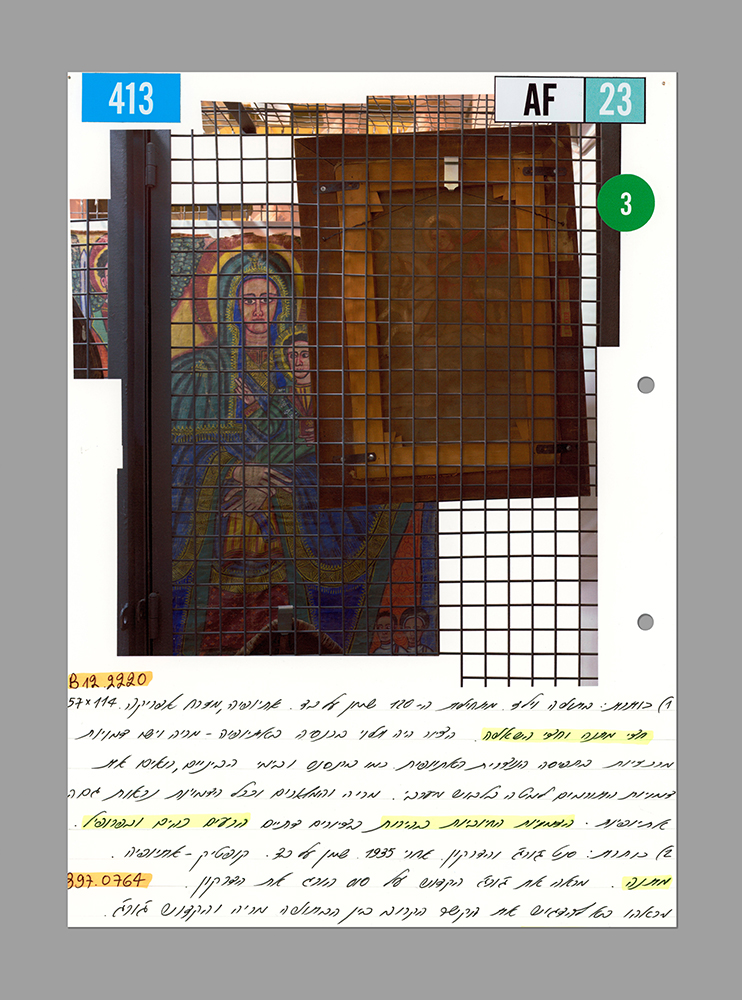
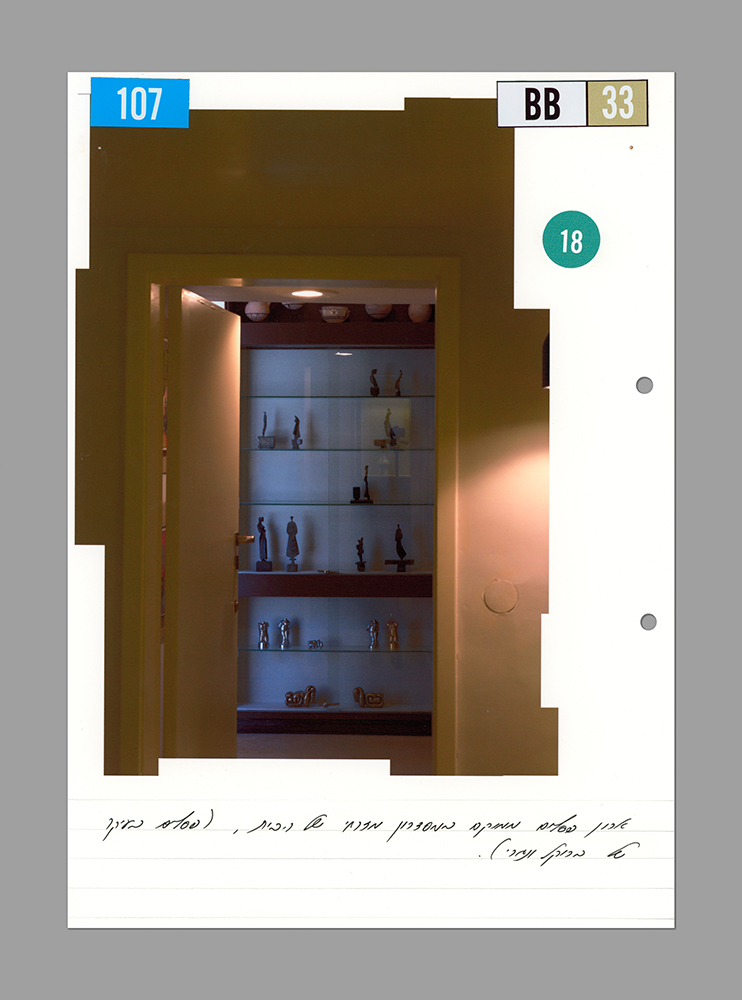
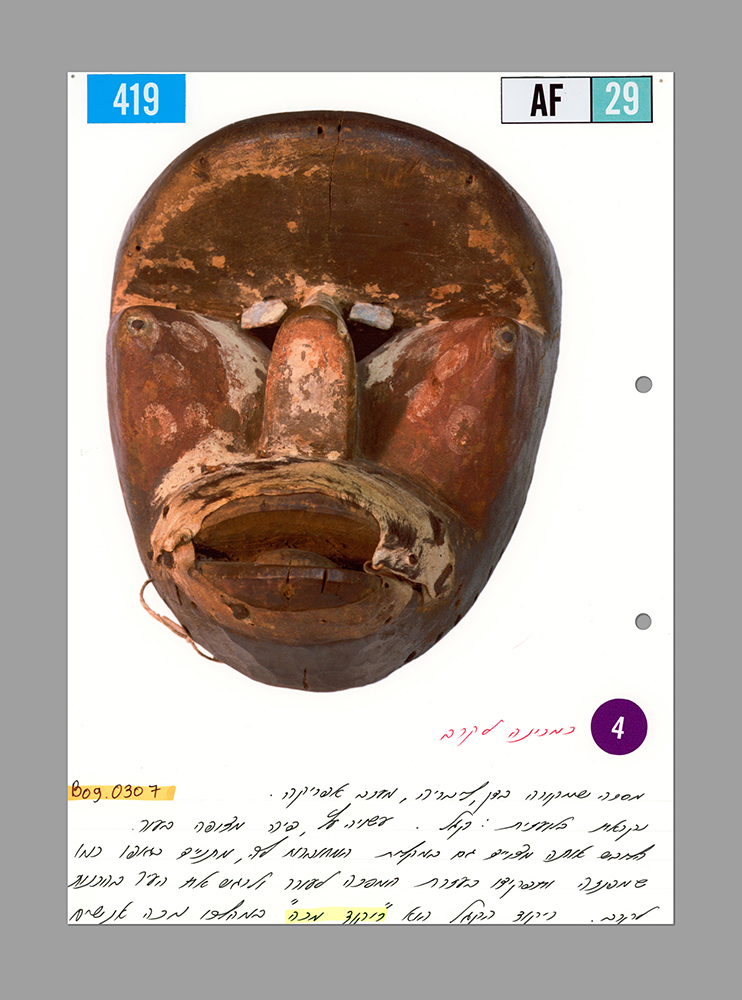
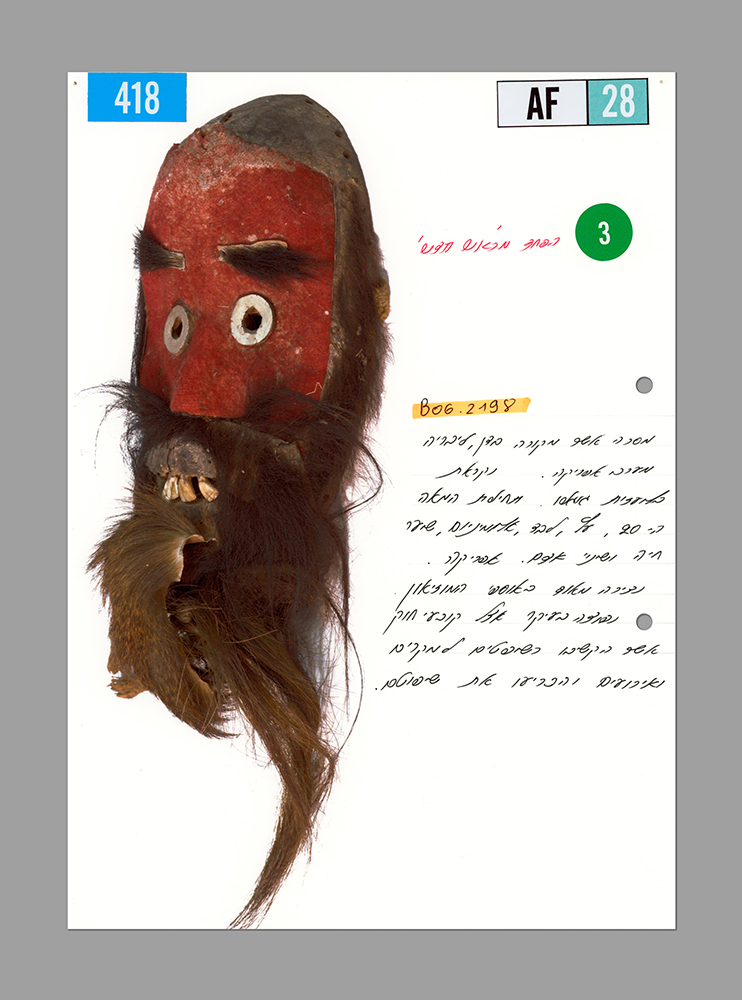
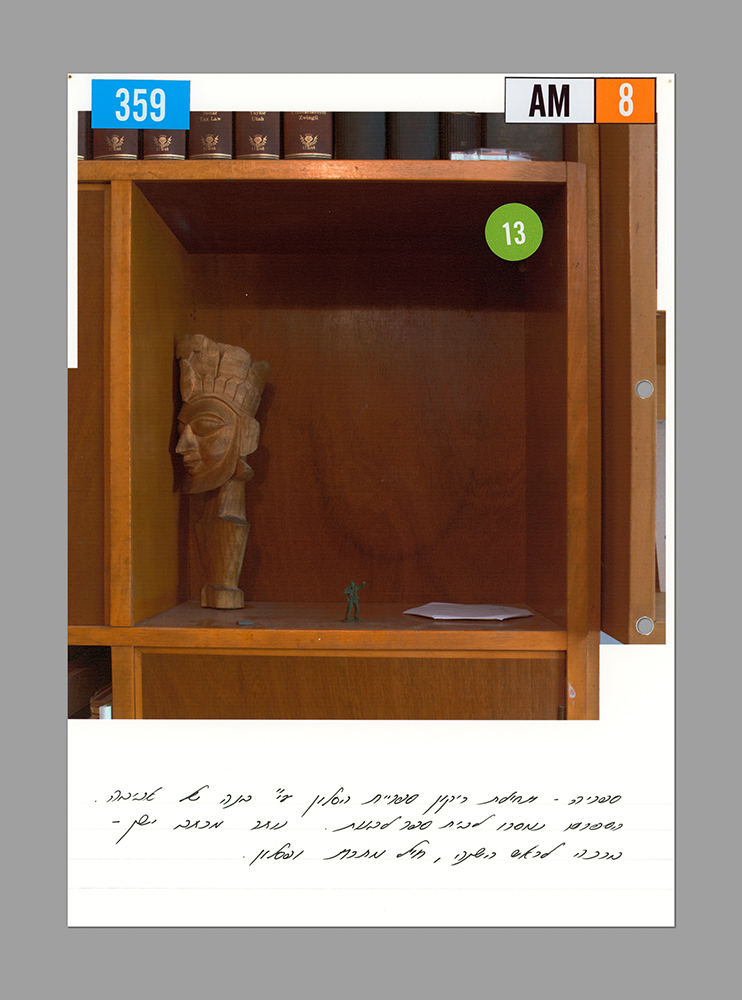
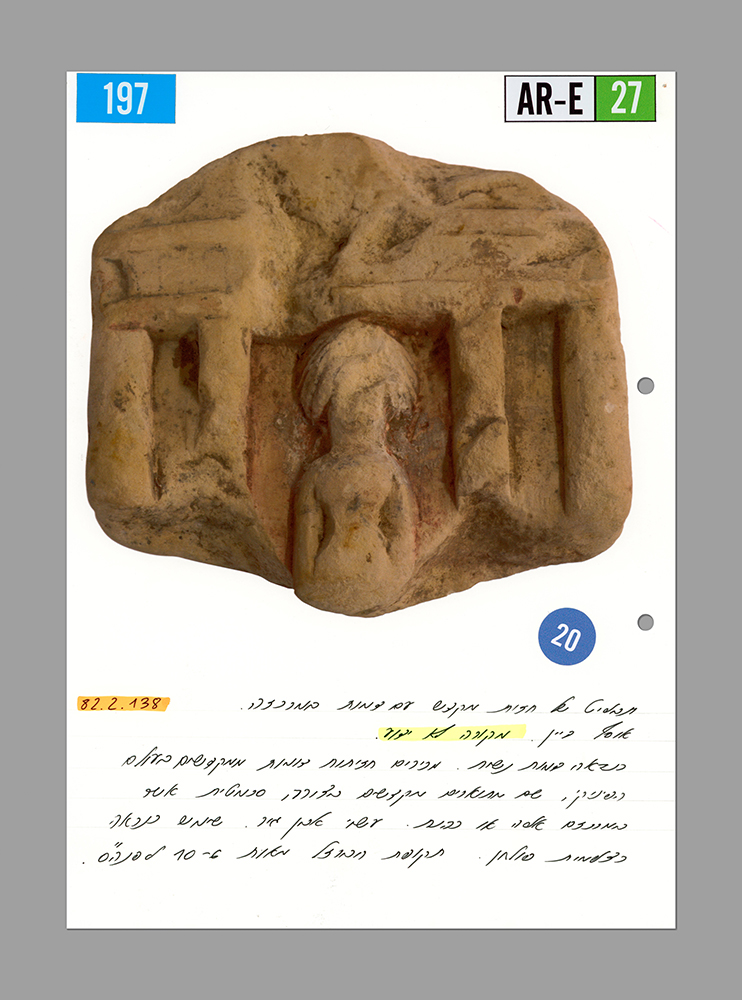
Head mask from Baga, Guinea, West Africa, made in 1948 from wood, cotton, and paint, known as 'Sibonfel.' This large rectangular headdress, often used in weddings, acts as a miniature stage for depicted people and animals. Treated with palm oil and dyed before use, it features a donkey character known for tricks and deceit, and human figures representing government officials.
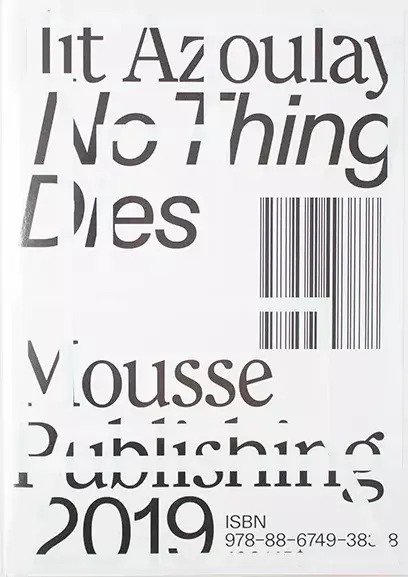
Ilit Azoulay: No Thing Dies,
ed. by Maurin Dietrich,
Mousse Publishing,
Milan, 2019.
English, 264 pages, softcover,
23.5 x 33 cm,
ISBN: 978-88-6749-383-8.
Ilit Azoulay: No Thing Dies, ed. by Maurin Dietrich, Mousse Publishing, Milan, 2019. English, 264 pages, softcover, 23.5 x 33 cm, ISBN: 978-88-6749-383-8
No Thing Dies
Israel Museum, Jerusalem, 2017